What changes in meat food processing technology matter?
From smart sanitation design to precision cutting, automation, and MAP integration, food processing technology for meat industry is changing in ways that directly affect safety, throughput, yield, and shelf life.
The most important upgrades are not only faster machines. They are cleaner designs, tighter process control, data visibility, and better packaging performance across the full protein line.
For the wider industrial food sector, these changes matter because meat plants now face stricter hygiene targets, labor constraints, rising energy costs, and higher expectations for consistent quality.
What has changed most in food processing technology for meat industry?
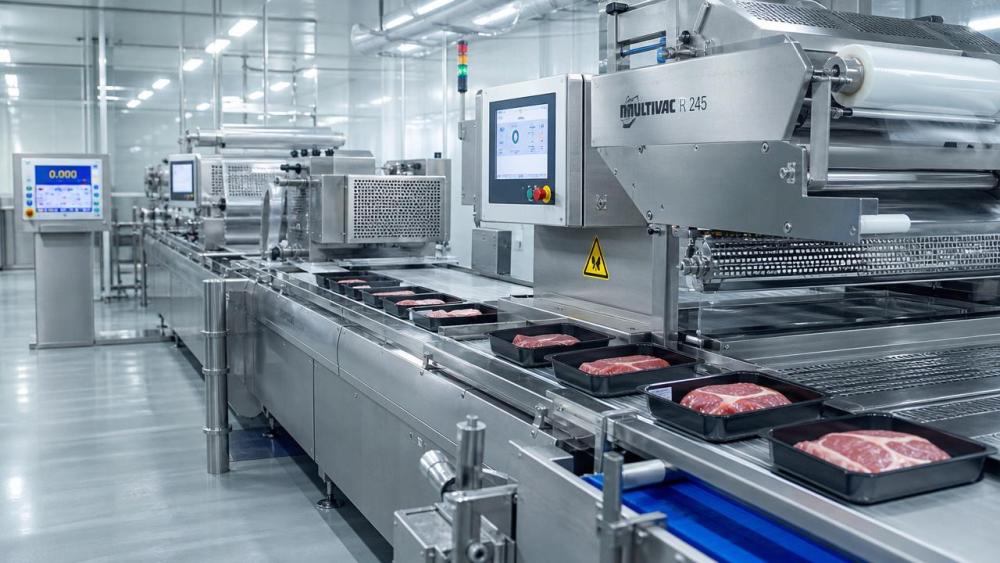
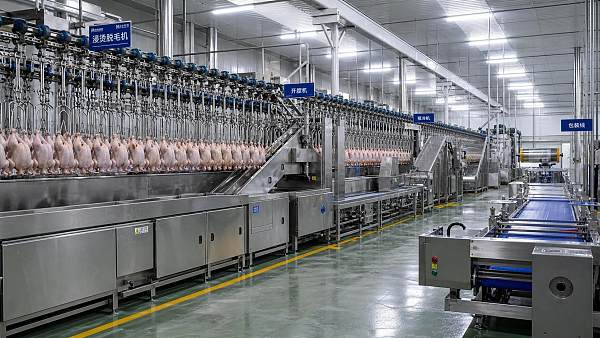
The biggest shift is integration. Modern food processing technology for meat industry now links slaughter, cutting, batching, thermal treatment, inspection, and packaging as one controlled production system.
Earlier upgrades often focused on one machine. Today, the valuable changes happen between machines, where product transfer, cleaning logic, tracking, and atmosphere control decide real plant performance.
Five changes stand out:
- Sanitary equipment geometry that reduces contamination harborage.
- Precision cutting and portioning that improves yield consistency.
- Automation that offsets labor gaps and stabilizes throughput.
- Inline sensing and traceability for process verification.
- MAP and high-performance packaging that extends shelf life.
These changes also connect meat processing to broader food engineering trends. Aseptic thinking, thermal efficiency, and hygienic automation now influence protein lines far beyond traditional butchering equipment.
Why does sanitary design matter more than machine speed?
Speed creates output, but sanitation protects the business. If microbes survive in weld gaps, dead legs, seals, or rough surfaces, faster production only multiplies risk.
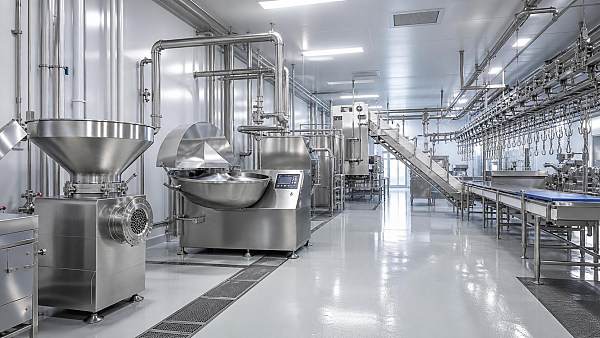
That is why advanced food processing technology for meat industry emphasizes stainless construction, open frames, tool-free disassembly, sloped surfaces, and better drainage after washdown.
Cleanability has become an engineering value, not only a maintenance concern. A line that is easier to clean can shorten sanitation windows and reduce water, chemicals, and restart delays.
Important sanitary upgrades include:
- Higher surface finish quality for contact parts.
- Fewer hollow bodies and fewer hidden fasteners.
- CIP or easier manual access where full CIP is not practical.
- Improved seal materials for aggressive washdown conditions.
In practical terms, sanitary design supports uptime. It also helps align equipment with export expectations, certification pathways, and stricter microbiological verification standards.
How are cutting, portioning, and yield control changing?
Precision is becoming a major value driver in food processing technology for meat industry. Cutting is no longer only about speed. It is about gram-level consistency and lower giveaway.
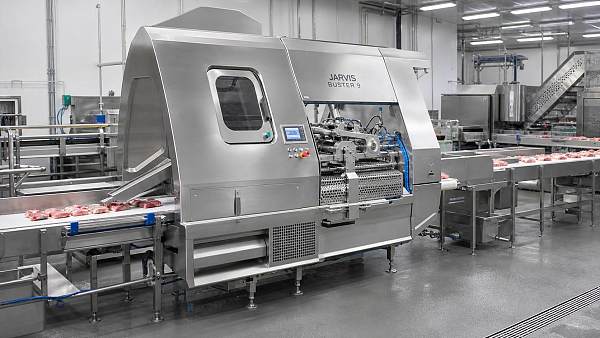
Modern slicers, dicers, bowl cutters, and portioning systems increasingly combine servo control, product scanning, and recipe logic. This improves repeatability across different muscle shapes and fat contents.
Better portion accuracy matters in fresh retail packs, ready meals, deli meat, and frozen protein formats. Small yield gains scale quickly in high-volume operations.
Useful indicators when judging yield-focused upgrades include:
- Portion weight deviation over long runs.
- Blade change frequency and sharpening impact.
- Texture damage after slicing or emulsifying.
- Trim percentage and giveaway reduction.
The best systems balance mechanical force with product integrity. Overprocessing can reduce appearance, purge behavior, and downstream packaging performance, especially for premium chilled meats.
Where does automation create the biggest impact?
Automation delivers the most value at transfer points and repetitive handling steps. These areas often cause bottlenecks, contamination exposure, and inconsistent pacing between upstream and downstream equipment.
In food processing technology for meat industry, common automation gains come from robotic loading, tray denesting, pick-and-place, checkweighing feedback, labeling, and case packing.
Automation also improves line rhythm. When cutting, inspection, and packaging communicate in real time, stoppages decrease and throughput becomes more predictable.
The most successful implementations usually start with three questions:
- Which manual step has the highest hygiene exposure?
- Which station causes the longest idle time?
- Which task suffers from variation across shifts?
This matters beyond labor savings. Automated handling can reduce product touches, stabilize packing patterns, and support safer modified atmosphere packaging performance.
Why is MAP integration now central to meat processing decisions?
MAP has moved from a packaging choice to a processing strategy. It directly affects color retention, oxidation control, drip loss, distribution range, and waste reduction.
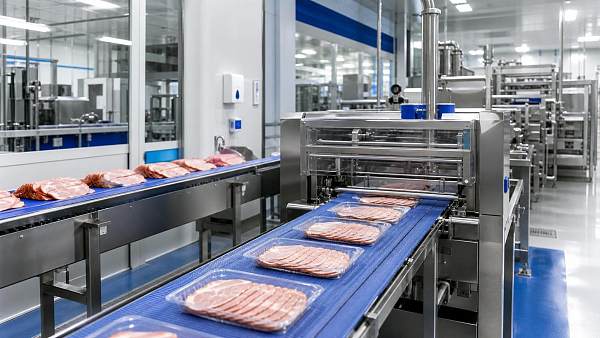
That is why food processing technology for meat industry increasingly connects slicing, weighing, sealing, gas mixing, leak detection, and coding in one managed sequence.
A stronger MAP line does more than replace oxygen. It requires precise tray handling, stable sealing windows, film compatibility, accurate gas ratios, and protected product temperatures.
When MAP works well, chilled meat can gain meaningful shelf life. That can lower cold-chain shrinkage and improve logistics flexibility in regional or export distribution.
However, MAP is not a rescue tool for weak upstream hygiene. Poor sanitation, warm product loading, or unstable seals can undermine the whole preservation strategy.
How should technology choices be compared without falling for hype?
The best comparison method is process-based, not brochure-based. Advanced food processing technology for meat industry should be judged by measurable plant outcomes.
A useful evaluation framework includes hygiene, yield, uptime, energy demand, labor effect, packaging compatibility, data integration, and maintenance complexity.
This approach avoids a common mistake: buying isolated speed while ignoring sanitation bottlenecks, changeover delays, or packaging limits.
What risks and misconceptions should be watched closely?
One misconception is that higher line speed always means better economics. In reality, unstable speed can raise rework, maintenance stress, and package failure.
Another risk is underestimating utility demands. Some upgrades in food processing technology for meat industry require stronger compressed air, chilled water, vacuum stability, or electrical support.
Plants also sometimes overlook thermal management. Product temperature drift before sealing or after cutting can weaken food safety margins and shorten actual shelf life.
Key reminders include:
- Validate the whole line, not one machine.
- Test cleaning time under real production soils.
- Confirm seal quality with actual films and trays.
- Measure yield over weeks, not only trial hours.
In broad food industry terms, the strongest investments are those that connect microbial control, fluid handling, thermal discipline, and packaging science into one reliable operating model.
What practical next steps help evaluate future-ready upgrades?
Start by mapping the full protein journey, from raw intake to final pack. Identify where contamination exposure, giveaway, waiting time, and shelf-life loss actually occur.
Then rank improvements by total production effect. In many cases, the best return comes from combining sanitary redesign, automated handling, and MAP-focused packaging upgrades.
For anyone studying food processing technology for meat industry, the most meaningful changes are clear. Cleaner equipment, smarter control, tighter portioning, and packaging integration now define competitive performance.
A useful next move is to compare current lines against hygiene access, yield stability, automation gaps, and shelf-life outcomes. That reveals which technology change matters first, and why.
Related News
 How to Choose Stainless Steel Deboning Equipment for Throughput, Hygiene, and YieldStainless steel deboning equipment buying guide: learn how to balance throughput, hygiene, and yield to cut downtime, protect food safety, and improve processing profits.
 Ningbo Port Launches AI Export Clearance DashboardNingbo Port launches an AI export clearance dashboard, speeding food machinery exports by 67%. See how faster customs visibility can improve delivery planning and document accuracy.
 EU Expands 3A Verification for Meat Processing LinesEU expands 3A verification for meat processing lines, adding bowl cutters, stuffers, and slaughtering lines. Learn the new CIP and surface finish rules and what they mean for EU market access.
 316L Stainless Steel Jumps 18% as EU Probe Begins316L stainless steel jumps 18% as the EU probe begins, raising cost and lead-time risks for exporters, buyers, and equipment makers. See what AD658 and tighter supply could mean now.
 Industrial Slaughtering Equipment for Poultry: Line Configuration and Throughput PlanningIndustrial slaughtering equipment for poultry: learn how line configuration, hygiene-focused design, and realistic throughput planning improve yield, reduce bottlenecks, and support scalable plant performance.
 China Customs Opens Green Lane for GCC Slaughtering Line ExportsChina Customs Opens Green Lane for GCC Slaughtering Line Exports, cutting inspection to 3 days and speeding 3A/GSO checks. See how qualified exporters and GCC buyers can improve delivery certainty.
![]() What Drives Slaughtering Lines Cost? Equipment Scope, Capacity, Labor, and Utilities ExplainedSlaughtering lines cost depends on equipment scope, capacity, labor, utilities, and hygiene design. Discover the real cost drivers and compare suppliers with confidence.
What Drives Slaughtering Lines Cost? Equipment Scope, Capacity, Labor, and Utilities ExplainedSlaughtering lines cost depends on equipment scope, capacity, labor, utilities, and hygiene design. Discover the real cost drivers and compare suppliers with confidence.![]() China Opens GCC Fast-Track for 3A Slaughtering Line ExportsChina opens a GCC fast-track for 3A slaughtering line exports, cutting customs clearance to 48 hours for Saudi Arabia, the UAE, and Qatar. See key compliance and document requirements.
China Opens GCC Fast-Track for 3A Slaughtering Line ExportsChina opens a GCC fast-track for 3A slaughtering line exports, cutting customs clearance to 48 hours for Saudi Arabia, the UAE, and Qatar. See key compliance and document requirements. Microbiological Control in Meat Plants: Critical Points for Listeria and Salmonella PreventionMicrobiological control in meat plants starts with smart zoning, hygienic design, and targeted monitoring. Learn critical points to prevent Listeria and Salmonella while protecting throughput.
 China Customs Opens Fast Track for 3A Slaughtering Line ExportsChina Customs fast-tracks 3A slaughtering line exports with 48-hour clearance. Learn how GSO 3A Sanitary certification and Saudi SASO 2026 rules affect GCC delivery, compliance, and supplier selection.
 China Customs Starts AI Pre-Clearance for Slaughtering LinesChina Customs starts AI pre-clearance for slaughtering lines, requiring 72-hour document uploads before shipment. Learn how exporters and buyers can cut port dwell time by 68 hours.
 China Customs Launches AI Pre-Clearance for Slaughtering LinesChina Customs AI pre-clearance for slaughtering lines is reshaping HS 8438.80 exports. Learn how EHEDG files, CIP/SIP schematics, and 3A certificates affect 48-hour clearance.