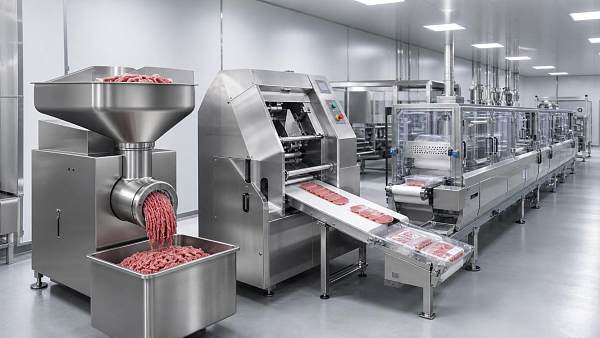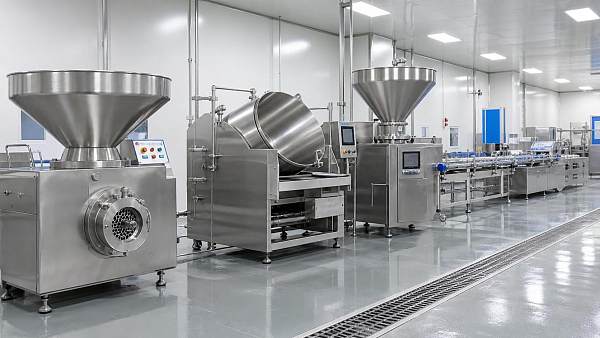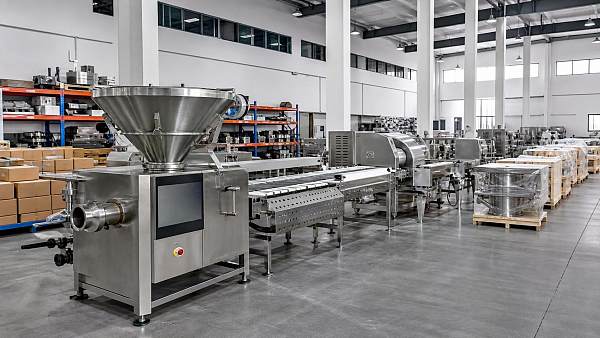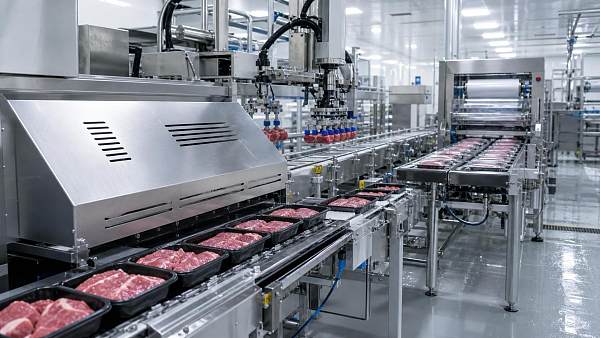
How meat processing equipment affects yield and hygiene
For technical evaluators, meat processing equipment is not just a production asset—it directly shapes yield, hygiene performance, and long-term operating cost. From cutting precision and product consistency to washdown design and contamination control, the right system can raise throughput while protecting food safety. Understanding these impacts is essential when comparing equipment for modern meat plants.
Why does meat processing equipment have such a strong impact on yield?
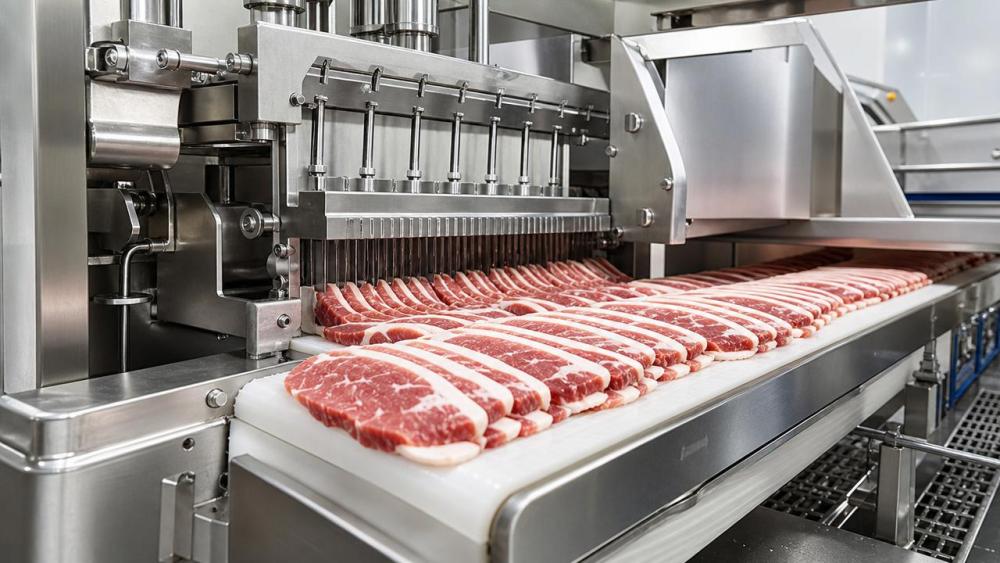
Yield is the percentage of sellable product recovered from raw meat. Small mechanical differences can create major profit swings across high-volume processing lines.
Well-designed meat processing equipment improves portion accuracy, reduces trim loss, and limits product damage during cutting, grinding, mixing, forming, and conveying.
A slicer with stable blade speed and feed pressure produces uniform portions. That consistency prevents overweight packs, underweight rework, and unnecessary giveaway.
In deboning and trimming lines, ergonomic and precise systems help preserve muscle structure. Better recovery means more premium cuts and fewer downgraded products.
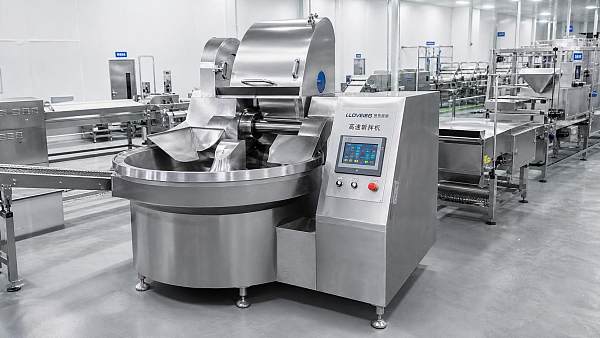
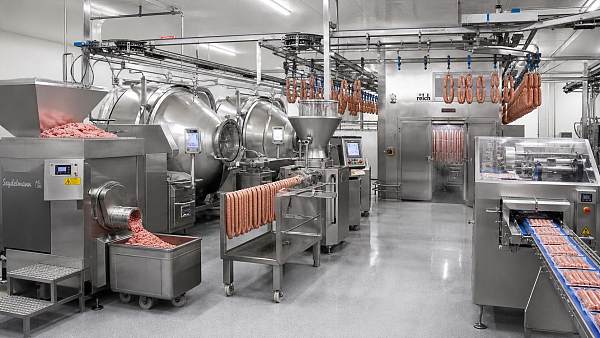
Grinding and mixing also influence yield. Excessive heat, overworking, or poor vacuum control can release moisture and fat, reducing cook yield and texture quality.
The same principle applies to thermal processing support equipment. Accurate loading, transfer, and metering protect product integrity before packaging and distribution.
- Precision cutting lowers giveaway.
- Gentle handling reduces bruising and deformation.
- Stable mixing preserves moisture binding.
- Accurate portioning improves pack compliance.
- Better transfer systems reduce floor loss.
When comparing systems, yield should be measured by more than nameplate speed. Recovery rate, portion deviation, rework volume, and giveaway often matter more.
How does meat processing equipment influence hygiene and contamination control?
Hygiene starts with equipment design. In meat plants, moisture, protein residue, fat, and temperature variation create ideal conditions for microbial growth.
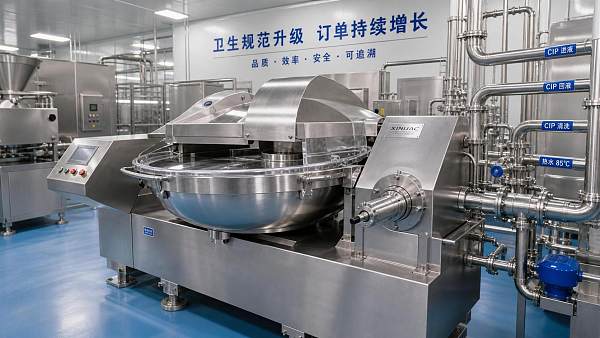
Sanitary meat processing equipment uses smooth stainless surfaces, open frames, sloped top covers, and minimal harborage points where residue can collect.
Weld quality matters. Poor welds, sharp corners, hollow bodies, and exposed threads are difficult to clean and can trap organic material.
Tool-free disassembly improves inspection and washdown effectiveness. If operators cannot easily access belts, guards, blades, or product zones, cleaning becomes inconsistent.
Water management is another critical factor. Equipment that drains fully after sanitation reduces standing water, which lowers bacterial survival risk between shifts.
Drive systems should be isolated from food contact zones. Hygienic motors, sealed bearings, and protected cable routing help prevent lubricant or debris contamination.
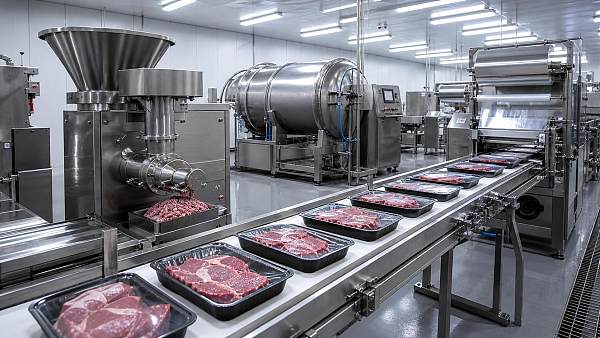
Automation can further reduce risk. Fewer manual touchpoints mean fewer opportunities for cross-contact, especially before MAP or other food-grade packaging steps.
Key sanitary design checkpoints
- Full stainless product-contact surfaces
- No dead zones or hollow rollers
- Fast access for cleaning verification
- Drainable structures after washdown
- Compatibility with plant sanitation chemicals
These details strongly affect hygiene validation, downtime, and shelf life performance. In many cases, poor design costs more than poor speed.
Which equipment features improve both yield and hygiene at the same time?
Some features deliver a dual benefit. They protect product recovery while also supporting sanitary control across demanding production environments.
Servo-controlled portioning is one example. It creates consistent cuts and reduces overhandling, which supports exact weight targets and cleaner product transfer.
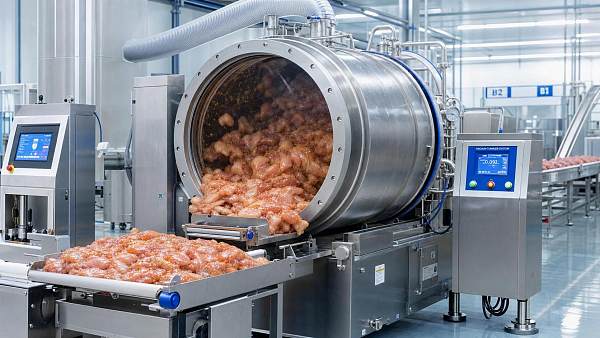
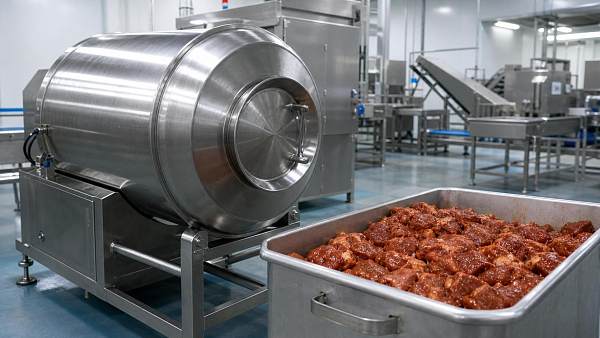
Vacuum systems in mixers and tumblers can improve protein extraction and texture. At the same time, enclosed processing reduces airborne exposure.
Conveyors with quick-release belts save time during cleaning. They also reduce trapped debris and prevent unnecessary product loss during shift changeovers.
Integrated sensors matter as well. Temperature, pressure, and speed monitoring support process control, helping maintain product quality with fewer sanitation surprises.
For plants linking processing and packaging, synchronization is essential. Efficient handoff to MAP lines prevents queue buildup, surface warming, and contamination exposure.
What mistakes reduce performance when selecting meat processing equipment?
A common mistake is choosing by throughput alone. High speed without precision, maintainability, and sanitation access often creates hidden waste.
Another error is ignoring the upstream and downstream connection. Even excellent meat processing equipment underperforms if loaders, chillers, or packaging lines are mismatched.
Some systems look sanitary but remain difficult to clean in practice. Evaluation should include washdown time, teardown steps, and post-clean inspection visibility.
Material compatibility is often underestimated. Aggressive detergents, thermal cycling, and high-pressure cleaning can damage seals, belts, and housings over time.
It is also risky to overlook data collection. Without reliable performance records, yield loss and hygiene drift may remain hidden for months.
Warning signs during evaluation
- Complex disassembly for daily cleaning
- Frequent manual adjustment during runs
- Inconsistent product weights in trials
- Visible residue traps after rinse
- Poor integration with packaging or chilling
A strong review process should include product trials, sanitation observation, maintenance access checks, and line-level compatibility analysis.
How should cost, maintenance, and lifecycle value be judged?
The lowest purchase price rarely produces the lowest operating cost. Lifecycle value is the more useful lens for evaluating meat processing equipment.
Start with direct yield economics. A small improvement in recoverable meat can repay a premium machine faster than labor savings alone.
Next, calculate sanitation time. Faster, more reliable cleaning increases available production hours and reduces the risk of costly contamination events.
Maintenance should focus on accessible components, spare part availability, and realistic service intervals. Excessive downtime destroys both yield and hygiene stability.
Energy and utility use also matter. Efficient drives, controlled water consumption, and reduced compressed air demand improve total plant economics.
In integrated factories, reliable transfer to packaging systems supports shelf life and logistics. That can reduce shrink, returns, and cold-chain loss.
What does a practical comparison checklist look like?
A useful checklist balances engineering detail with operating reality. It helps compare different meat processing equipment options on measurable terms.
- Confirm portion accuracy at actual product temperature.
- Measure giveaway across a realistic production run.
- Inspect welds, seals, bearings, and cable routing.
- Time the full cleaning and restart process.
- Review compatibility with washdown chemicals.
- Check data logging for speed, temperature, and alarms.
- Test line balance with packaging and cold storage flow.
For operations linked to aseptic filling, baking, freeze-drying, or MAP packaging environments, disciplined equipment comparison is already standard practice.
The same discipline should guide meat line decisions. It supports the broader industry goal of safe, high-throughput, low-loss food production.
In summary, meat processing equipment affects far more than output speed. It shapes usable yield, microbiological control, cleaning efficiency, labor burden, and shelf life results.
The best choice is usually the system that combines precision, sanitary design, easy maintenance, and stable integration with downstream packaging.
Use trial data, sanitation observations, and lifecycle calculations to guide the next comparison. Better evidence leads to better yield and safer production.
Related News
 How Vacuum Tumblers for Marinated Meat Improve Yield, Flavor and Batch ConsistencyVacuum tumblers for marinated meat improve yield, flavor penetration, and batch consistency, helping processors cut losses, boost quality, and scale production with confidence.
 Bowl Cutter Orders Jump 22% on EU Welfare RuleBowl cutter orders jumped 22% as EU welfare rules drive demand for compliant Bowl Cutters & Stuffers. See what this means for lead times, sourcing, and slaughterhouse upgrades.
 Slaughter Capacity Strain Lifts Bowl Cutter OrdersSlaughter capacity strain lifts bowl cutter orders as meat processors face USDA, EFSA, and EHEDG-driven procurement shifts. See what this means for suppliers, bids, and compliance-ready growth.
 Bowl Cutter Orders Rise 18% as Hygiene Specs TightenBowl Cutter orders rise 18% as hygiene specs tighten. Explore how 3A and EHEDG requirements, longer lead times, and procurement shifts are reshaping meat processing equipment decisions.
 Commercial Meat Processing Equipment: Key Capacity, Hygiene, and Labor Factors to EvaluateCommercial meat processing equipment buying guide: compare capacity, hygienic design, labor efficiency, and line integration to improve throughput, compliance, and ROI.
 How to Choose Stainless Steel Sausage Processing Equipment for Capacity and Hygiene NeedsStainless steel sausage processing equipment buying guide: learn how to match capacity, hygienic design, cleanability, and lifecycle cost for safer production and smarter investment.
 How to Compare a Meat Processing Machines Supplier on Hygiene Design, Service, and Lead TimeMeat processing machines supplier comparison made practical: learn how to assess hygiene design, service support, and lead time to reduce risk, protect uptime, and buy with confidence.
 Food Processing Automation for Meat: Which Processes Deliver the Fastest Labor Savings?Food processing automation for meat delivers the fastest labor savings in portioning, tray loading, and MAP packaging. Learn which steps pay back fastest and how to cut labor, waste, and hygiene risk.
 Industrial Food Machinery for Meat Processing: Key Equipment and Line Selection CriteriaIndustrial food machinery for meat processing: learn how to choose sanitary, high-yield, high-throughput equipment lines that improve food safety, packaging results, and plant efficiency.
 Bowl Cutters Manufacturer Comparison: What to Check Before Requesting a QuoteBowl cutters manufacturer comparison starts before pricing. Learn what to check on capacity, hygiene, performance, automation, and service to avoid costly mistakes.
 Common Meat Processing Machines in Sausage Lines and How to Match ThemMeat processing machines for sausage lines: learn how to match grinders, mixers, fillers, cookers, and packaging systems to boost output, hygiene, and line efficiency.
 Vacuum Tumblers vs Manual Marination: Which Delivers Better Yield and Texture in Meat Processing?Vacuum tumblers vs manual marination: discover which method boosts meat yield, texture, consistency, and ROI—and why vacuum tumblers are the smarter choice for processors.