Slaughter Capacity Strain Lifts Bowl Cutter Orders
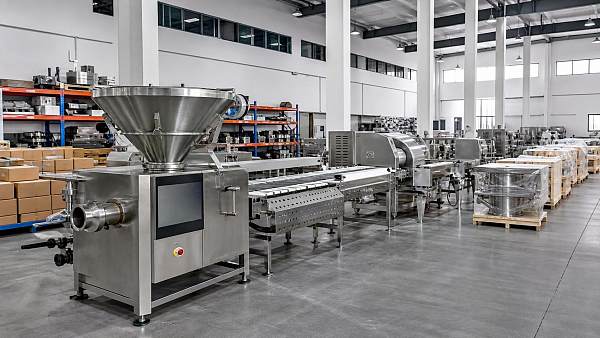
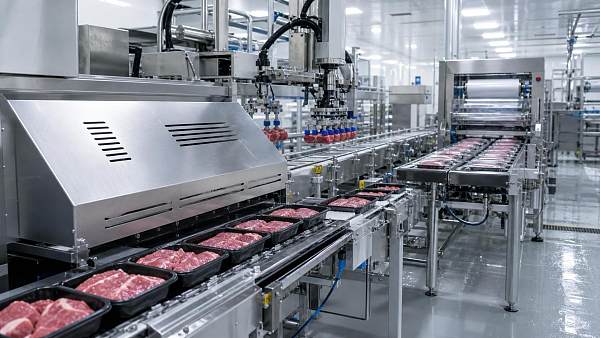
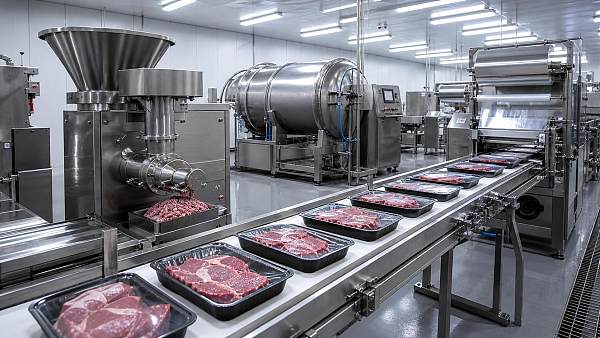
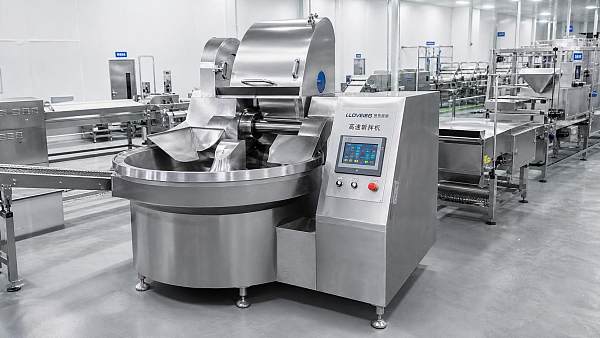
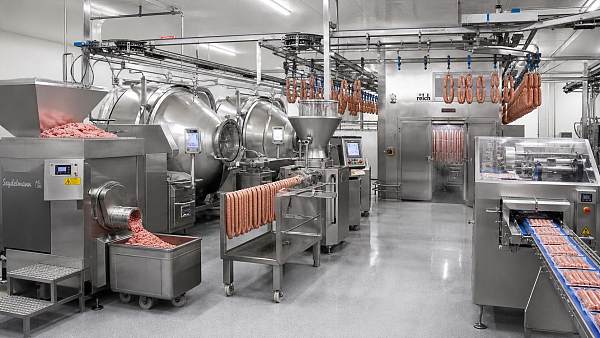
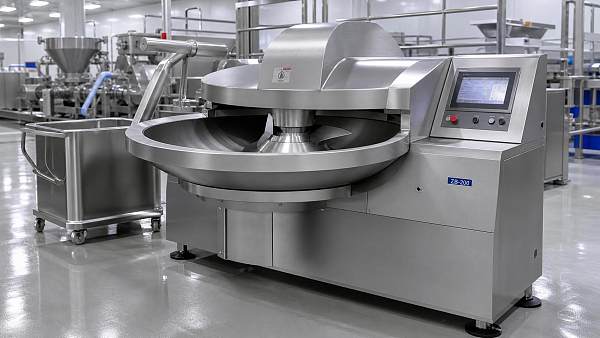
On 2026-07-13, data released by Meat & Seafood Intelligence Group (MSIG) showed that global slaughterhouse capacity utilization reached 94.7% in Q2 2026, while orders for high-frequency bowl cutters and automated stuffer systems rose 18.2% year on year. What makes this development notable for industry participants is not only the rise in equipment demand, but also the compliance direction behind it: procurement activity is being linked to USDA- and EFSA-aligned abattoir requirements and to EHEDG-compliant, stainless-steel meat deconstruction lines. For equipment suppliers, processors, procurement teams, certification-related service providers, and cross-border trade participants, this points to a more rules-sensitive purchasing environment rather than a simple volume increase.
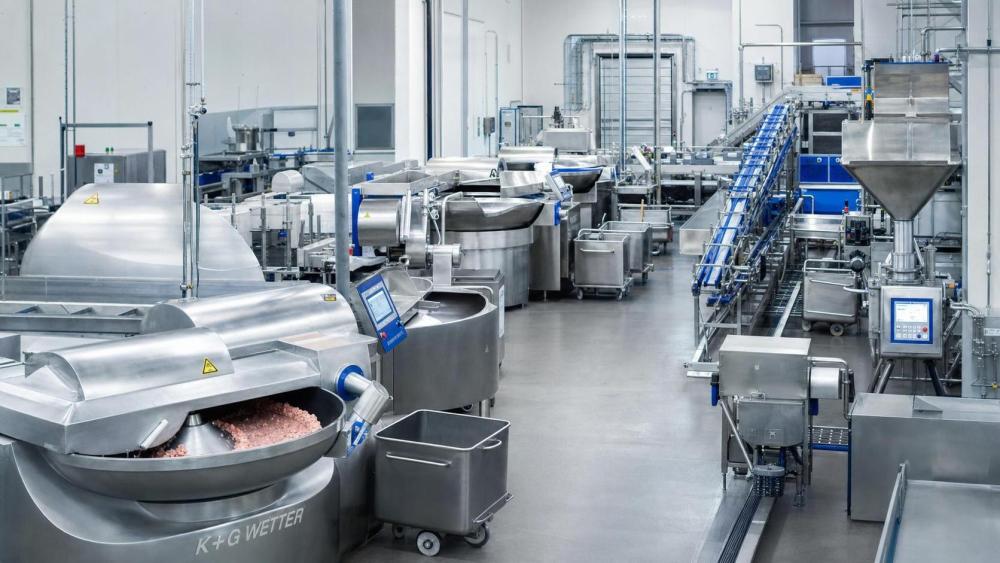
Capacity pressure is now translating into compliance-linked equipment demand
According to the information provided, global slaughterhouse capacity utilization reached 94.7% in Q2 2026. MSIG data released on 2026-07-13 also indicated that this tight capacity situation contributed to an 18.2% year-on-year increase in orders for high-frequency bowl cutters and automated stuffer systems.
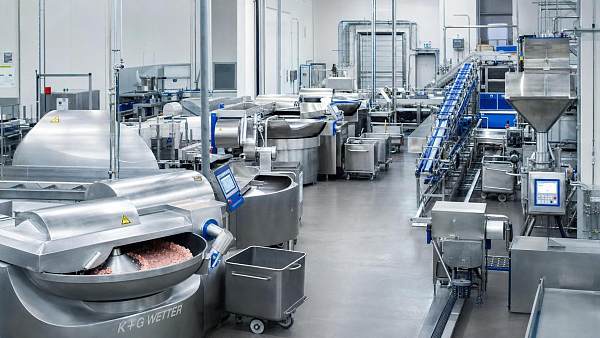
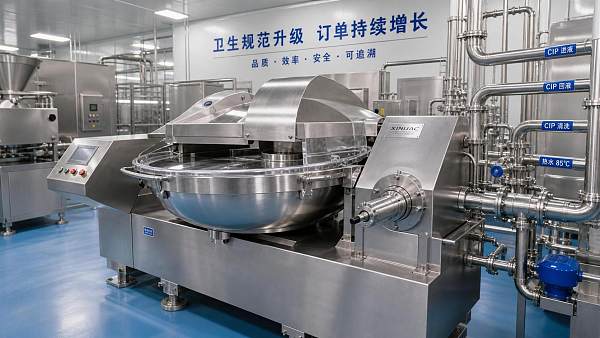
The same information states that demand surges were observed in Brazil, Vietnam, and Nigeria. It also confirms that new abattoirs aligned with USDA and EFSA requirements are accelerating procurement of stainless-steel meat deconstruction lines that meet EHEDG compliance expectations.
Where the operational impact is likely to appear first
Equipment bidding is becoming more specification-driven
From an industry perspective, manufacturers and system integrators may be affected first because the reported demand increase is tied to equipment categories with clear processing and hygiene implications. In practice, this means procurement discussions may focus more heavily on whether equipment design, material selection, and line configuration can match USDA- and EFSA-aligned project requirements and EHEDG-related expectations. What deserves closer attention is the technical documentation, specification alignment, and tender-language response needed to support those purchases.
Processors and abattoir investors face tighter procurement filters
Processing operators and project owners may see the impact in supplier screening and delivery planning. Where new abattoirs are being procured against USDA- and EFSA-aligned requirements, buyers are likely to pay closer attention to whether stainless-steel construction, hygienic design claims, and equipment compatibility are clearly evidenced in commercial and technical files. Analysis shows that the practical pressure point is less about general expansion and more about whether selected lines can satisfy project-level compliance expectations without creating delays in procurement or installation.
Trade and supply-chain participants may need stronger paperwork support
For exporters, importers, distributors, and supply-chain service providers, the change may be felt through product files, order confirmations, and delivery coordination. Because the summary links demand growth to compliance-oriented abattoir development, market participants should expect greater scrutiny of technical declarations, conformity-related materials, and tender-support documents. Observably, where procurement is tied to rule-aligned facilities, incomplete documentation can become a commercial issue even before installation or commissioning begins.
Certification and verification services may become more involved upstream
Certification-related firms, testing bodies, and compliance advisers may also see earlier involvement in the sales cycle. The event summary does not describe a new formal rule release, but it does show that buyers are already using alignment with USDA, EFSA, and EHEDG-related expectations as part of procurement logic. That can shift verification work closer to pre-sale review, bid support, and supplier qualification rather than leaving it only to later-stage project execution.
What companies should track in the near term
Review how compliance claims are presented
Companies supplying bowl cutters, automated stuffer systems, or related deconstruction lines should review how USDA- and EFSA-aligned positioning and EHEDG-related compliance claims are described in quotations, brochures, data sheets, and bid materials. The current information does not confirm a single unified enforcement standard across markets, so businesses should avoid overstating claims and instead keep wording precise and document-backed.
Prepare for more detailed tender and buyer questions
Analysis shows that tighter slaughter capacity combined with compliance-linked investment can increase the importance of technical bid alignment. Suppliers and procurement teams should pay attention to whether buyers request additional specification sheets, hygienic design descriptions, stainless-steel material details, or other supporting files. Even where no new rule text is cited in the input, the purchasing pattern itself suggests that technical completeness may weigh more heavily in order decisions.
Watch delivery timing alongside qualification requirements
Companies should also track how lead times interact with qualification expectations. The summary confirms stronger ordering activity for specific equipment types, which can affect production scheduling and delivery commitments. What deserves closer attention is whether compliance-sensitive projects begin to favor vendors that can provide both acceptable documentation and predictable shipment or installation readiness.
Keep after-sales and traceability files in scope
For suppliers already serving abattoir projects, it is prudent to monitor whether customers place more emphasis on maintenance records, spare-parts support, and equipment traceability files. The input does not state that these elements have become mandatory in a new way, but in a rules-sensitive procurement environment they can become relevant in qualification reviews and project acceptance discussions.
Why this should be read as an execution signal, not just a demand spike
Observably, this item is more than a short-term equipment sales story. The combination of high slaughterhouse utilization, rising orders for specific processing systems, and procurement tied to USDA- and EFSA-aligned abattoirs suggests that market demand is being shaped by operational pressure and compliance framing at the same time. Analysis shows that this is better understood as an execution signal inside procurement behavior rather than as proof of a fully defined new regulatory regime.
At the same time, it would be premature to treat the reported pattern as a complete and settled rule change across all markets. The provided information confirms alignment language and procurement acceleration, but it does not provide detailed enforcement texts, uniform certification procedures, or market-by-market implementation rules. That leaves room for continued observation.
What the market signal currently supports
At this stage, the event is best understood as evidence that capacity strain is pushing meat processing investment toward equipment purchases with clearer hygiene, material, and standards alignment. For industry participants, the practical implication is not that every compliance requirement has newly changed, but that buyers in certain markets are already behaving as if standards alignment matters more in procurement decisions.
A rational reading is that companies should treat this as a live commercial and compliance signal: confirmed demand is rising, and the language of procurement is increasingly tied to USDA, EFSA, and EHEDG-related expectations. The broader regulatory and execution picture, however, still requires monitoring before stronger conclusions are drawn.
Basis of this article and points that still require verification
This article is generated based on the user-provided news title, event date, and event summary. The confirmed factual basis is limited to the supplied information regarding MSIG data released on 2026-07-13, the reported Q2 2026 global slaughterhouse capacity utilization level, the year-on-year increase in orders for high-frequency bowl cutters and automated stuffer systems, and the cited procurement trends in Brazil, Vietnam, and Nigeria.
For events of this type, relevant source categories often include official announcements, regulator publications, customs or trade authority releases, industry association materials, standards organization documents, tender files, and reporting by established trade media. However, no specific official source link was provided in the input, so any regulatory interpretation or market conclusion should continue to be verified against subsequent official publications and project documentation.
What still requires close observation includes any later policy detail, certification interpretation, procurement specification changes, tender-document wording, industry feedback, and company-level execution outcomes connected to USDA- and EFSA-aligned abattoirs and EHEDG-compliant line procurement.
Related News
 Slaughter Capacity Strain Lifts Bowl Cutter OrdersSlaughter capacity strain lifts bowl cutter orders as meat processors face USDA, EFSA, and EHEDG-driven procurement shifts. See what this means for suppliers, bids, and compliance-ready growth.
 Bowl Cutter Orders Rise 18% as Hygiene Specs TightenBowl Cutter orders rise 18% as hygiene specs tighten. Explore how 3A and EHEDG requirements, longer lead times, and procurement shifts are reshaping meat processing equipment decisions.
 Commercial Meat Processing Equipment: Key Capacity, Hygiene, and Labor Factors to EvaluateCommercial meat processing equipment buying guide: compare capacity, hygienic design, labor efficiency, and line integration to improve throughput, compliance, and ROI.
 How to Choose Stainless Steel Sausage Processing Equipment for Capacity and Hygiene NeedsStainless steel sausage processing equipment buying guide: learn how to match capacity, hygienic design, cleanability, and lifecycle cost for safer production and smarter investment.
 How to Compare a Meat Processing Machines Supplier on Hygiene Design, Service, and Lead TimeMeat processing machines supplier comparison made practical: learn how to assess hygiene design, service support, and lead time to reduce risk, protect uptime, and buy with confidence.
 Food Processing Automation for Meat: Which Processes Deliver the Fastest Labor Savings?Food processing automation for meat delivers the fastest labor savings in portioning, tray loading, and MAP packaging. Learn which steps pay back fastest and how to cut labor, waste, and hygiene risk.
 Industrial Food Machinery for Meat Processing: Key Equipment and Line Selection CriteriaIndustrial food machinery for meat processing: learn how to choose sanitary, high-yield, high-throughput equipment lines that improve food safety, packaging results, and plant efficiency.
 Bowl Cutters Manufacturer Comparison: What to Check Before Requesting a QuoteBowl cutters manufacturer comparison starts before pricing. Learn what to check on capacity, hygiene, performance, automation, and service to avoid costly mistakes.
 Common Meat Processing Machines in Sausage Lines and How to Match ThemMeat processing machines for sausage lines: learn how to match grinders, mixers, fillers, cookers, and packaging systems to boost output, hygiene, and line efficiency.
 Vacuum Tumblers vs Manual Marination: Which Delivers Better Yield and Texture in Meat Processing?Vacuum tumblers vs manual marination: discover which method boosts meat yield, texture, consistency, and ROI—and why vacuum tumblers are the smarter choice for processors.
 Meat Processing Technology Explained: Key Steps, Yield Factors, and Quality RisksMeat processing technology explained clearly: explore key process steps, yield drivers, and quality risks to improve efficiency, food safety, shelf life, and smarter line decisions.
 How to Evaluate a Bowl Cutters Manufacturer for Capacity, Blade Speed, and Hygiene StandardsFind the right bowl cutters manufacturer by comparing real production capacity, blade speed stability, and hygienic design to reduce risk and improve output.