Meat Processing Systems: Common Throughput Bottlenecks and Fixes
In high-capacity plants, meat processing systems often promise speed but lose output to hidden bottlenecks in cutting, conveying, chilling, and packaging handoffs. For engineering teams, early detection of these weak points protects yield, hygiene, labor efficiency, and capital return. This article explains where meat processing systems most often slow down, why those constraints appear, and which practical fixes restore stable throughput.
Operational Overview of Meat Processing Systems
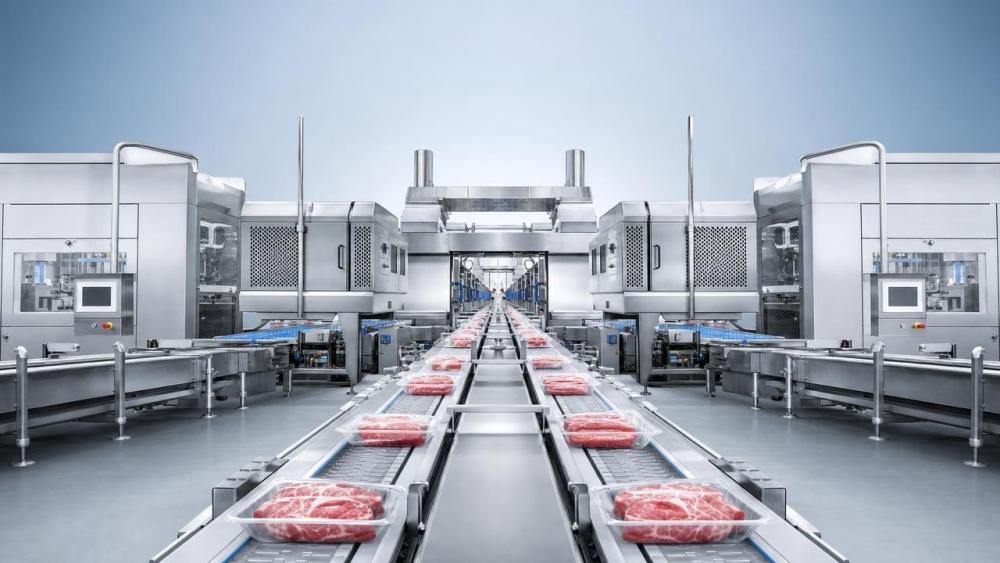
Modern meat processing systems connect slaughtering, trimming, portioning, chilling, inspection, packaging, and data control into one synchronized production flow. Throughput depends less on one fast machine and more on balanced line interaction.
A plant may own high-speed slicers or packers, yet still lose output. The real limit usually sits at a transfer point, sanitation pause, product changeover, or thermal stabilization step.
In meat processing systems, bottlenecks rarely stay fixed. They move with product mix, carcass size variation, staffing, ambient temperature, and downstream packaging performance.
That is why capacity analysis should focus on actual line balance. Nameplate speed alone does not describe usable hourly throughput or saleable yield.
Core process zones that shape capacity
- Primary cutting and deboning
- Grinding, mixing, or forming
- Conveying and accumulation
- Chilling and temperature equalization
- Weighing, inspection, and rejection
- MAP, sealing, labeling, and case packing
Current Throughput Pressure Points Across the Industry
Across the broader food sector, meat processing systems face a tighter margin between productivity and compliance. Higher sanitation standards and faster SKU rotation increase operational complexity.
Shorter order windows also push plants toward smaller batches. That raises the frequency of changeovers, recipe validation, label swaps, and cleanout interruptions.
These pressures make throughput stability more valuable than headline speed. Consistency reduces giveaway, downtime, microbial risk, and packaging waste.
Common Bottlenecks in Meat Processing Systems and Their Fixes
1. Uneven upstream cutting and trimming flow
Primary cutting often sets the rhythm for downstream meat processing systems. When incoming piece sizes vary too much, slicers, weighers, and thermoformers lose efficiency.
Common symptoms include surge loading, frequent jams, overweight packs, and excessive manual sorting. Yield loss usually appears before obvious line stoppages.
Fixes include tighter portion pre-grading, better blade maintenance, standard work instructions, and buffer conveyors between manual and automatic stations.
2. Conveyor transfer gaps and poor accumulation design
Many meat processing systems fail at interfaces, not machines. Bad transfer geometry creates tipping, overlap, slippage, and unplanned micro-stops.
Short accumulation zones worsen the problem. A minor pause at checkweighing can starve the packaging section within minutes.
Use low-backpressure conveyors, side guides matched to pack format, and calculated accumulation length. Servo timing between modules also improves flow continuity.
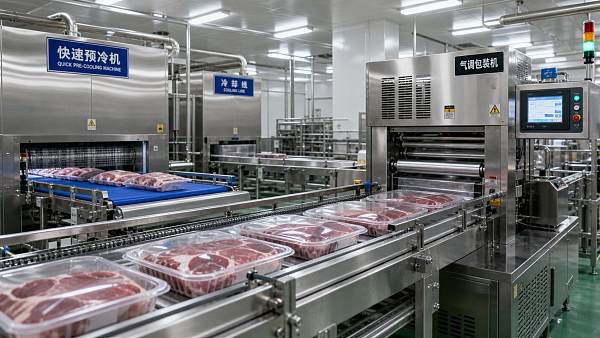
3. Chilling constraints and thermal imbalance
Temperature control is a hidden governor in meat processing systems. Product that enters slicing or packaging outside target range becomes softer, stickier, and harder to handle.
Thermal inconsistency reduces slicing quality and seal integrity. It may also force speed reductions to maintain hygiene and visual standards.
Practical fixes include improved air distribution, residence-time validation, product spacing control, and inline temperature monitoring linked to line-speed adjustment.
4. Inspection and weighing becoming the line limiter
Metal detection, X-ray, and checkweighing protect compliance, but they often become the slowest stage in meat processing systems. Excess false rejects create hidden capacity loss.
Rejected packs trigger rehandling, relabeling, and tray waste. That means the true bottleneck extends beyond the inspection device itself.
Fixes include better product presentation, vibration isolation, routine calibration, and tighter upstream fill control to reduce reject frequency.
5. Packaging handoff instability
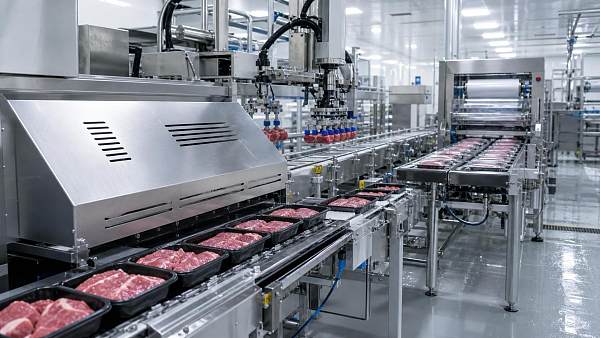
Packaging is where many meat processing systems visibly lose speed. Trays arrive misoriented, portions arrive late, or MAP seal cycles cannot recover after a brief interruption.
Inconsistent handoffs lead to vacuum faults, seal contamination, label mismatch, and case packing disruption. The result is reduced OEE and shorter usable shelf life.
The best fixes combine synchronized infeed control, hygienic pack accumulation, recipe-based format change settings, and preventive maintenance on sealing tools.
Business Value of Removing Bottlenecks
Improving meat processing systems is not only about speed. Balanced throughput increases saleable output without always requiring a full line replacement.
When bottlenecks are removed, plants usually gain better yield control, lower labor stress, fewer sanitation interruptions, and more predictable production planning.
That matters across the comprehensive industrial landscape. Meat lines connect upstream protein handling with downstream packaging economics, cold-chain efficiency, and retail shelf performance.
- Higher hourly output from the same footprint
- Reduced giveaway and trim losses
- Stronger hygiene control at transition points
- Lower packaging waste and fewer reworks
- More stable planning for mixed-product operations
Typical Bottleneck Patterns by Processing Scenario
Not all meat processing systems struggle in the same place. The limiting station depends on product type, process intensity, and packaging format.
Practical Improvement Measures for More Stable Throughput
Sustainable gains in meat processing systems usually come from disciplined observation, not isolated machine upgrades. Data should confirm where minutes, yield, and sanitation time disappear.
- Map every transfer point and record starvation versus blockage events.
- Separate true machine downtime from product presentation failures.
- Validate product temperature at each critical process handoff.
- Standardize changeover settings with digital recipe control.
- Use hygienic accumulation to absorb short downstream interruptions.
- Review preventive maintenance for blades, seals, belts, and sensors.
- Track OEE together with yield loss and reject causes.
FBPS consistently observes that the strongest results come from combining sanitary design, thermal control, packaging precision, and line-level intelligence. This mirrors best practice across modern food factories.
Next-Step Focus for Throughput Optimization
Meat processing systems perform best when every stage is measured as part of one living production chain. The key question is not which machine is fastest, but which interaction is slowest.
A useful next step is a structured bottleneck audit covering cut uniformity, conveyor accumulation, chilling profile, inspection rejects, and packaging recovery time.
With that approach, meat processing systems can reach higher throughput while preserving food safety, pack integrity, and long-term operating stability.
Related News
 How to Compare a Meat Processing Machines Supplier on Hygiene Design, Service, and Lead TimeMeat processing machines supplier comparison made practical: learn how to assess hygiene design, service support, and lead time to reduce risk, protect uptime, and buy with confidence.
 Food Processing Automation for Meat: Which Processes Deliver the Fastest Labor Savings?Food processing automation for meat delivers the fastest labor savings in portioning, tray loading, and MAP packaging. Learn which steps pay back fastest and how to cut labor, waste, and hygiene risk.
 Industrial Food Machinery for Meat Processing: Key Equipment and Line Selection CriteriaIndustrial food machinery for meat processing: learn how to choose sanitary, high-yield, high-throughput equipment lines that improve food safety, packaging results, and plant efficiency.
 Bowl Cutters Manufacturer Comparison: What to Check Before Requesting a QuoteBowl cutters manufacturer comparison starts before pricing. Learn what to check on capacity, hygiene, performance, automation, and service to avoid costly mistakes.
 Common Meat Processing Machines in Sausage Lines and How to Match ThemMeat processing machines for sausage lines: learn how to match grinders, mixers, fillers, cookers, and packaging systems to boost output, hygiene, and line efficiency.
 Vacuum Tumblers vs Manual Marination: Which Delivers Better Yield and Texture in Meat Processing?Vacuum tumblers vs manual marination: discover which method boosts meat yield, texture, consistency, and ROI—and why vacuum tumblers are the smarter choice for processors.
 Meat Processing Technology Explained: Key Steps, Yield Factors, and Quality RisksMeat processing technology explained clearly: explore key process steps, yield drivers, and quality risks to improve efficiency, food safety, shelf life, and smarter line decisions.
 How to Evaluate a Bowl Cutters Manufacturer for Capacity, Blade Speed, and Hygiene StandardsFind the right bowl cutters manufacturer by comparing real production capacity, blade speed stability, and hygienic design to reduce risk and improve output.
 1000 Liter Vacuum Tumblers Explained: What Batch Size, Vacuum Level, and Cycle Time Mean1000 liter vacuum tumblers explained: learn how batch size, vacuum level, and cycle time affect yield, texture, throughput, and line fit for smarter equipment decisions.
 How to Choose a Frozen Block Grinder: Capacity, Particle Size, and Hygiene RequirementsFrozen block grinder selection made simple: compare real capacity, particle size control, and hygiene design to improve throughput, sanitation, and long-term processing efficiency.
 Washdown Meat Processing Machines: Which IP Rating and Materials Actually Matter?Washdown meat processing machines: learn which IP ratings, stainless grades, seals, and hygienic design features truly improve uptime, sanitation, and audit confidence.
 Industrial Meat Grinder Buying Guide: Capacity, Plate Size, Power, and Cleaning CostsIndustrial meat grinder buying guide covering capacity, plate size, motor power, and cleaning costs. Compare specs smarter, cut downtime, and choose the right model with confidence.