Ozon’s Smaller-City Food Demand Pushes Packaging Upstream
The timing of this development was not specified in the input, but the signal itself is clear: Ozon has reported a sharp rise in food-category transaction value at pickup points in Russia’s second- and third-tier cities, while also moving upstream by launching a regional kitchen infrastructure initiative tied to food packaging equipment. This deserves attention from food processors, packaging equipment suppliers, channel operators, and cross-border service providers because it links local consumer demand growth with a more concrete procurement direction for production and packaging capacity.
What the disclosed figures actually show
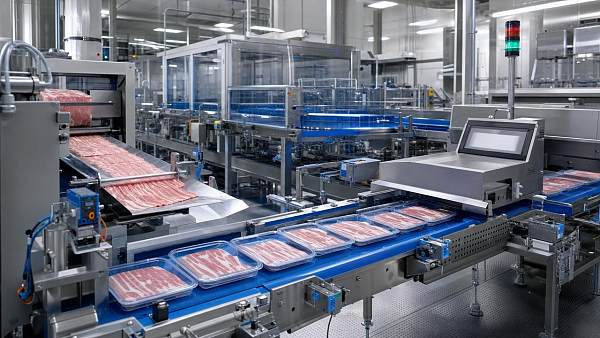
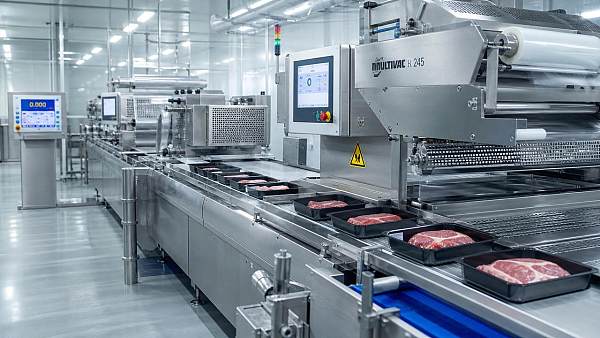
According to the information provided, Ozon platform data shows that in Q1 2026, the transaction value of food-category orders at pickup points in Russia’s second- and third-tier cities increased 217% year on year. Among the fastest-growing segments were prepared meals, vacuum-packed cooked foods, and MAP fresh-keeping containers.
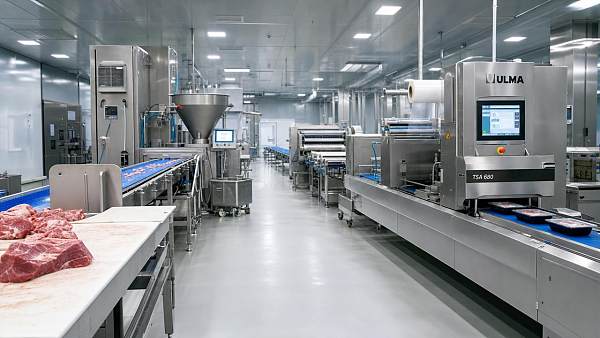
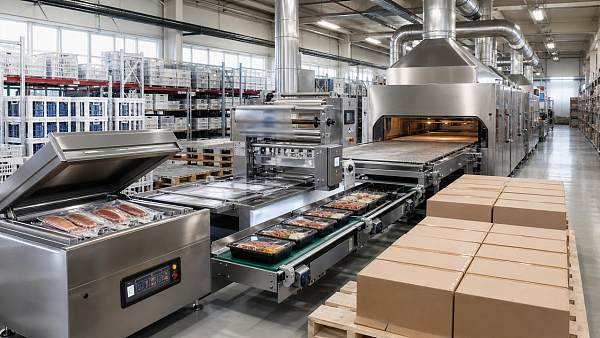
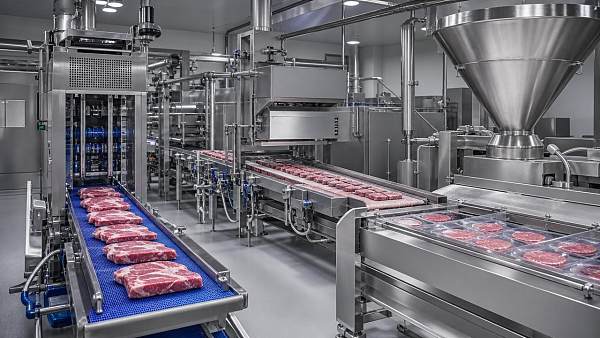
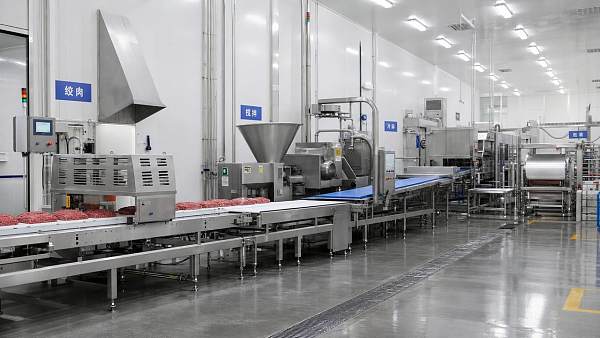
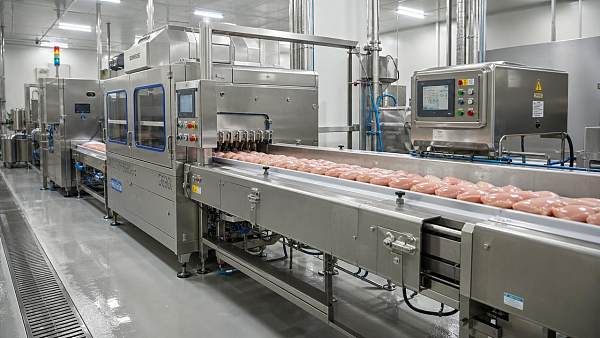
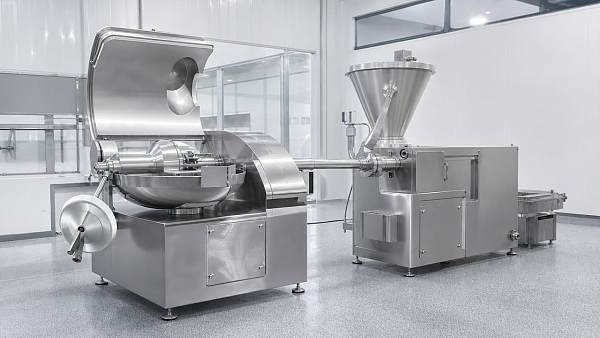
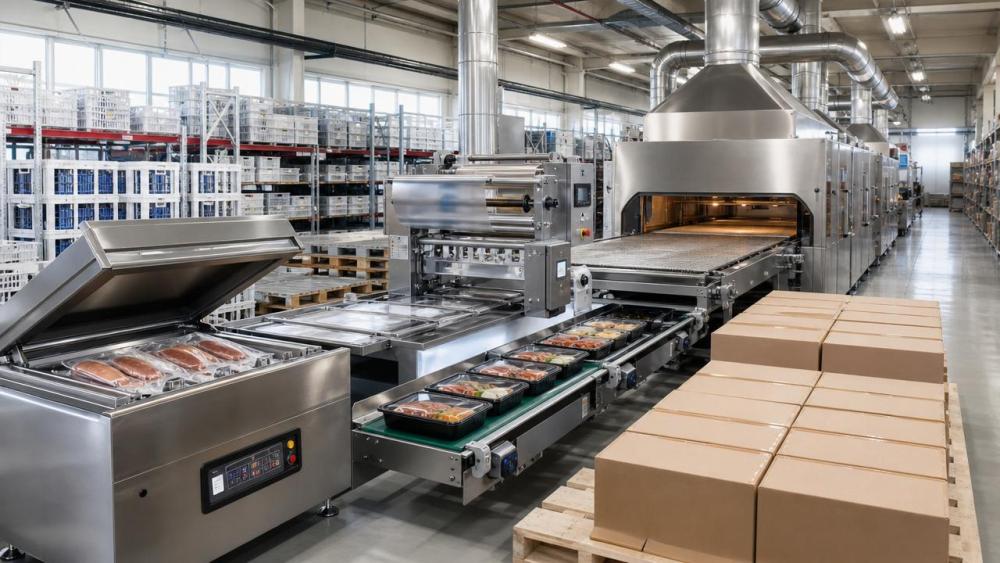
The platform has also launched a program called Regional Kitchen Infrastructure. Under this plan, it intends to work with Chinese suppliers to build regional service centers for food packaging equipment. The equipment categories specifically highlighted for procurement are Slaughtering Lines, Bowl Cutters & Stuffers, and Industrial Tunnel Ovens.
Why the impact extends beyond online retail
Pickup-point growth changes the demand profile for food suppliers
From an industry perspective, the reported growth is not only about e-commerce traffic. It suggests that food products suited to standardized handling, shelf-life management, and pickup-point fulfillment are gaining traction in smaller-city markets. This may affect food processors and brand owners most directly in product planning, packaging format selection, and order-fulfillment design.
Equipment makers may see earlier-stage inquiries, not just end-market interest
Analysis shows that the named procurement categories point to upstream processing and packaging readiness rather than only downstream retail expansion. Suppliers of slaughtering, cutting, stuffing, and industrial baking or heating systems may need to watch whether inquiries increasingly focus on localized service capacity, installation support, and compatibility with regional production layouts.
Service providers could face a more localized execution requirement
For logistics, technical support, and cross-border supply-chain service providers, the more notable issue is the proposed regional service center model. If implemented as described, the operational focus may shift from one-off equipment delivery to ongoing local support, spare-parts responsiveness, and coordination between platform-side demand signals and supplier-side capacity deployment.
What companies should track now
Watch for further official clarification around the program
What deserves closer attention is how Ozon further defines the scope of Regional Kitchen Infrastructure. Companies should distinguish between a broad strategic statement and specific purchasing or cooperation mechanisms, especially where project timelines, service obligations, or supplier participation criteria are concerned.
Focus on the categories already showing demand concentration
The current data signal is concentrated in prepared meals, vacuum-packed cooked foods, and MAP-related packaging formats. For manufacturers and suppliers, that makes category fit more important than generic market enthusiasm. Product adaptation, equipment matching, and packaging-process compatibility are likely to matter more than simple volume assumptions.
Prepare for questions around delivery and service capability
For Chinese suppliers in particular, the issue is not only whether equipment is on the procurement list, but whether they can support documentation, lead times, after-sales coordination, and communication for regionalized deployment. Observably, service readiness may become as important as equipment specification when buyer expectations move closer to localized support.
Separate announced intent from confirmed business conversion
Analysis shows that the disclosed information indicates a direction of demand and procurement interest, but it does not by itself confirm completed orders, final supplier rosters, or long-term procurement scale. Companies should therefore balance early engagement with practical screening of project certainty and execution conditions.
How this signal should be read at this stage
In editorial observation, this development is more meaningful as a cross-chain signal than as a standalone sales headline. The combination of strong smaller-city food-order growth and an equipment-service-center initiative suggests that Ozon is not only observing demand at the retail end, but also considering how regional processing and packaging capabilities may need to support that demand.
At the same time, it is more appropriate to understand this as an emerging industry direction rather than a fully verified structural shift. The available information shows strong momentum and a named procurement focus, but further confirmation is still needed on implementation depth, supplier participation, and the actual pace of localized service-center construction.
What the market can reasonably conclude
The immediate industry significance lies in the linkage between consumption growth in Russia’s smaller cities and a more explicit upstream equipment agenda. For businesses in food processing, packaging systems, and related services, the development is worth following because it may reshape where demand is forming and what kind of supply support is being prioritized.
A neutral reading is that this is neither a short-lived headline nor a fully settled long-term outcome. It is better understood as a strong market signal that may influence procurement attention, supplier positioning, and service planning, while still requiring continued verification through later disclosures and execution details.
Basis of this article and what still needs verification
This article is generated based on the user-provided news title, unspecified event timing, and event summary. The specific official source link was not provided in the input, so the underlying details still need ongoing verification.
For this type of development, commonly relevant source categories may include official platform announcements, company statements, industry association information, authoritative media reporting, and technical or standards-related documentation. The key follow-up areas to monitor are whether Ozon releases more detailed program rules, whether procurement and service-center arrangements become more concrete, and whether the named equipment categories translate into confirmed project activity.
Related News
 Meat Line Downtime Reduction: 7 Practical Fixes for Throughput and OEE LossMeat line downtime reduction starts with the real causes of OEE loss. Discover 7 practical fixes to cut micro-stops, speed restarts, improve throughput, and protect hygienic performance.
 EU Revises EN 1672-2:2026 for Slaughter LinesEU Revises EN 1672-2:2026 for Slaughter Lines: learn how new CIP, SIP, and EHEDG requirements will impact EU market access, compliance planning, and export project decisions before the Dec 1, 2026 deadline.
 How to Choose Abattoir Equipment for Line Capacity, Hygiene, and Worker SafetyAbattoir equipment selection guide for line capacity, hygiene, and worker safety. Learn how to compare systems, reduce risk, and improve plant efficiency.
 Commercial Meat Processing Explained: Main Equipment, Workflow, and Plant Layout BasicsCommercial meat processing explained clearly: discover core equipment, workflow, and plant layout basics to improve hygiene, efficiency, shelf life, and packaging performance.
![]() How to Evaluate Food Processing Automation for Meat: Throughput, Labor, and ROIFood processing automation for meat: learn how to evaluate throughput, labor savings, hygiene, integration, and ROI to choose the right system and improve plant performance.
How to Evaluate Food Processing Automation for Meat: Throughput, Labor, and ROIFood processing automation for meat: learn how to evaluate throughput, labor savings, hygiene, integration, and ROI to choose the right system and improve plant performance. Ozon’s Smaller-City Food Demand Pushes Packaging UpstreamOzon’s Smaller-City Food Demand Pushes Packaging Upstream: explore how Russia’s rising food demand is driving packaging equipment, regional kitchen infrastructure, and new supplier opportunities.
 China Enforces New Rules for Overseas Food ExportersChina Enforces New Rules for Overseas Food Exporters: learn how Order No. 280 changes registration, compliance costs, HACCP pressure, and supply chain risks for meat, dairy, and ready-to-eat exporters.
 Industrial Meat Processing Equipment: Key Line Components and What Each Stage DoesIndustrial meat processing explained stage by stage—from receiving and cutting to grinding, thermal treatment, and packaging. Learn where yield, hygiene, shelf life, and efficiency are won.
 Meat Processing Systems: Key Equipment, Line Layout, and Selection FactorsMeat processing systems guide: explore key equipment, hygienic line layouts, and selection factors to improve throughput, food safety, yield, and scalability.
 What matters in meat processing equipment for poultry?Meat processing equipment for poultry must balance hygiene, yield, automation, and compliance. Learn what to check before investing in a safer, more efficient line.
 Chile Enforces Mandatory Safety Certification for Meat Processing EquipmentChile mandates INN-NCh 2611.Of2026 safety certification for meat processing equipment—IP69K, 316L stainless steel & ≤100ms e-stop required. Act now to avoid customs delays!
 What changes in meat food processing technology matter?Food processing technology for meat industry is evolving through sanitary design, precision cutting, automation, and MAP integration—discover what truly boosts safety, yield, and shelf life.