Why aseptic filling machines fail sterile checks
When aseptic filling machines fail sterile checks, the issue rarely starts at the filler alone. It usually reflects deeper control gaps across design, validation, utilities, speed, and microbiological discipline.
In modern food and beverage plants, sterile failure means more than a rejected batch. It can shorten shelf life, trigger recalls, disrupt output, and weaken confidence in aseptic filling machines.
As lines run faster and products become cleaner-label, aseptic filling machines face tighter tolerances. Minor drift in SIP performance, airflow, packaging sterility, or operator intervention can quickly break sterile assurance.
For intelligence-driven platforms like FBPS, the real question is not only why sterile checks fail. It is why failure patterns are becoming more common in ultra-fast, cost-sensitive production environments.
Sterile failures in aseptic filling machines are becoming a stronger operational signal
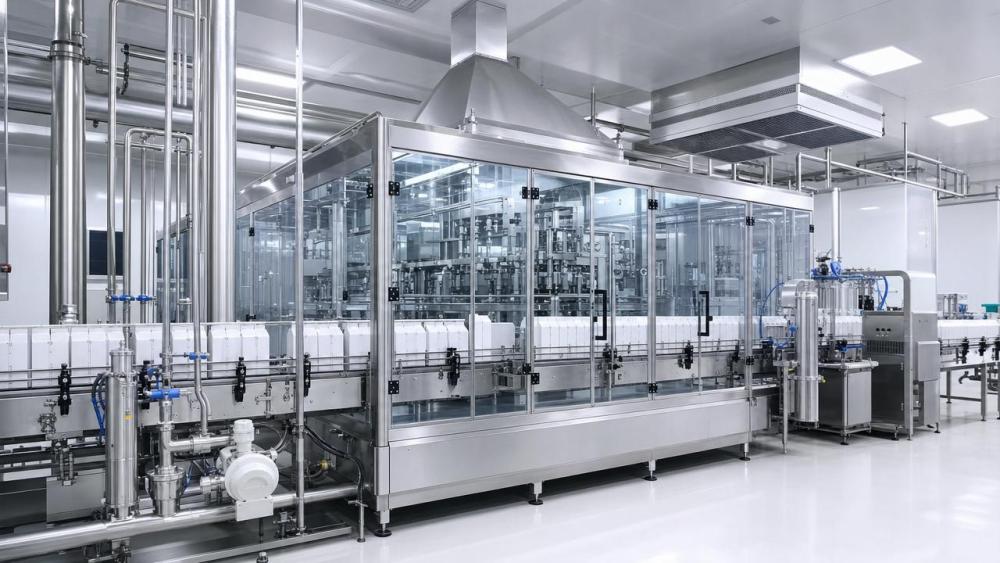
Across FMCG food systems, aseptic filling machines are expected to deliver extreme throughput and absolute sanitary compliance at the same time. That combination raises both process complexity and contamination exposure.
Sterile check failures now signal more than isolated hygiene mistakes. They often reveal a mismatch between equipment capability, process validation, utility stability, and real production behavior under load.
This trend is visible in juices, dairy alternatives, teas, liquid nutrition, and sauces. Product variety, shorter campaigns, and rapid changeovers create more opportunities for sterile barriers to weaken.
What is changing around high-speed sterile filling
- Higher line speeds reduce recovery time after minor process disturbances.
- Low-acid and sensitive beverages demand stricter microbial control.
- Frequent SKU changes increase exposure during cleaning and restart windows.
- Lighter packaging materials can complicate sterilization consistency.
- Energy-saving settings may unintentionally weaken validated thermal or chemical kill steps.
Why aseptic filling machines fail sterile checks: the drivers behind the pattern
Most failures come from interacting causes, not single defects. Aseptic filling machines are systems where packaging, product, sterile zone, utilities, software, and human actions affect one another.
The most underestimated cause: validated conditions are not maintained
Many aseptic filling machines pass qualification but fail in routine production. The root problem is often loss of validated conditions rather than flawed initial validation.
Examples include slower heat-up after maintenance, nozzle wear affecting sterilant contact, compressed air moisture excursions, and software changes that alter timing sequences without full reassessment.
Where the impact lands first across the food packaging system
Sterile failure in aseptic filling machines creates a chain reaction. It affects safety, planning, waste, maintenance load, and financial performance across the entire packaging operation.
Operational and business effects
- Product hold and disposal increase direct material loss.
- Line stoppages reduce OEE and disturb downstream packaging schedules.
- Extra sanitation cycles consume steam, water, chemicals, and labor.
- Shelf-life confidence drops, limiting distribution distance and channel flexibility.
- Audit pressure rises when trend data shows repeated microbiological instability.
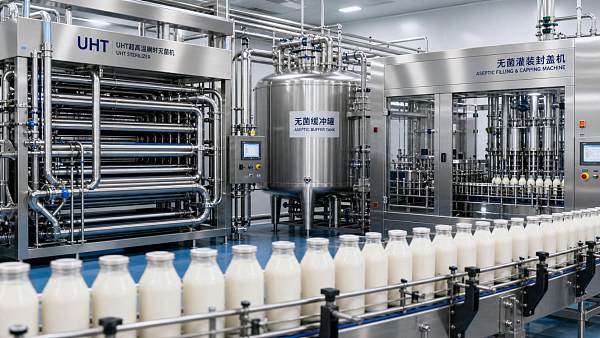
For integrated plants, these effects spread beyond the filler. Upstream UHT timing, packaging inventory, warehouse planning, and customer service can all be disrupted by one sterile breach.
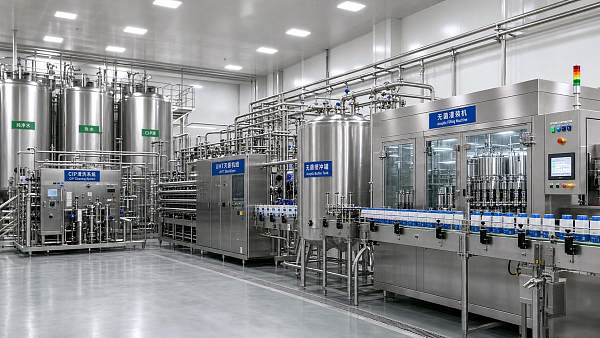
This is why aseptic filling machines must be assessed as part of a full hygienic ecosystem, not as isolated high-speed equipment.
The control priorities that deserve closer attention now
The strongest prevention strategy is to focus on fragile control points where sterile assurance most often erodes during real production conditions.
Key points to monitor in aseptic filling machines
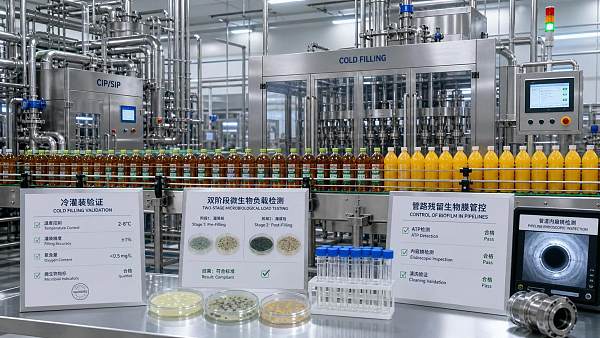
- SIP lethality mapping, including worst-case cold spots and restart scenarios
- Packaging sterilant concentration, contact time, residue control, and surface coverage
- HEPA filter integrity, airflow visualization, pressure cascade, and enclosure leakage
- CIP circuit velocity, drainability, roughness, gasket condition, and dead-leg risk
- Steam dryness, condensate management, sterile air dew point, and water microbiology
- Intervention frequency during jams, micro-stops, and changeovers
- Trend review of environmental monitoring and finished-product incubations
FBPS repeatedly sees one pattern: aseptic filling machines fail sterile checks when plants rely on pass-fail results instead of process trend intelligence.
A single negative result does not confirm long-term control. Stable sterility depends on capability over time, especially under speed, variation, and utility stress.
How to judge risk earlier and respond with less disruption
The most effective response is early detection. Plants should identify weak signals before aseptic filling machines produce a formal sterile test failure.
A practical response sequence
- Contain the affected product and freeze deviation data immediately.
- Separate filler, package, product, and utility hypotheses.
- Use timeline analysis around start-up, stoppage, and operator access events.
- Confirm whether validated settings were actually maintained in production.
- Requalify the highest-risk step before restart, not only the final result.
The next competitive edge is sterile resilience, not only sterile design
Aseptic filling machines are no longer judged only by nominal speed or sterile architecture. The stronger differentiator is resilience under frequent change, utility variation, and commercial pressure.
That means combining hygienic design, disciplined validation, trend analytics, and low-intervention operation. Plants that master this reduce failures while protecting throughput and product confidence.
For businesses tracking the future of food packaging systems, the lesson is clear. When aseptic filling machines fail sterile checks, the event should be read as strategic process intelligence, not just a microbiology problem.
Start with a structured review of SIP, packaging sterilization, airflow control, intervention history, and utility stability. Those five areas reveal most hidden causes before the next sterile failure becomes expensive.
Related News
 FDA Finalizes Cold-Fill Validation Rules for Plant BeveragesFDA finalizes cold-fill validation rules for plant beverages, raising new compliance demands for aseptic systems, CIP/SIP verification, and U.S. import readiness. Learn what suppliers and buyers should review now.
 Inline Aseptic Filling Line Layout: Tank, Sterilization, CIP, and Filling Integration ExplainedInline aseptic filling explained clearly: learn how tank layout, sterilization, CIP, and filler integration improve sterility, uptime, and line efficiency.
 Inline Aseptic Filling vs Hot Filling: Which Process Fits Acidic Beverages Better?Inline aseptic filling or hot filling for acidic beverages? Discover which process better protects flavor, supports packaging flexibility, and improves line efficiency.
 FDA Orders Plant Milk Cold-Fill RevalidationFDA orders plant milk cold-fill revalidation by August 31. Learn how aseptic filling lines, ISO 11140-4 validation, and Listeria-related compliance could impact US market access.
 Aseptic Processing for Dairy: When It Fits Milk, Yogurt Drinks, and Cream ProductsAseptic processing for dairy: discover when it best fits milk, yogurt drinks, and cream products to extend shelf life, protect quality, and improve distribution efficiency.
 Aseptic Bottle Filling Explained: Process Steps, Critical Controls, and Line DesignAseptic bottle filling explained: explore process steps, critical controls, and smart line design to improve sterility, shelf life, throughput, and project success.
 FDA Sets New Cold-Fill Rules for Plant-Based DrinksFDA sets new cold-fill rules for plant-based drinks, requiring ISO 13408-1:2026 validation and ≤0.5μm valve surface control. See what it means for compliance, equipment exports, and market access.
 Japan Broadens Aseptic Rules for RTD Tea LinesJapan broadens aseptic rules for RTD tea lines from October 2026. Learn how new validation demands for matcha and plant-based drinks could impact compliance, imports, and market entry.
 Aseptic Cold Filling Technology for Plant Milk: Process Steps, Limits, and Shelf-Life ImpactAseptic cold filling technology for plant milk explained: process steps, operating limits, and shelf-life impact to help manufacturers choose safer, more stable, high-performance production lines.
 FDA Sets New Aseptic Cold-Fill Validation RuleFDA Sets New Aseptic Cold-Fill Validation Rule takes effect Oct. 1, 2026. Learn how the new FDA aseptic cold-fill validation rule impacts exports, certification, batch records, and compliance.
 Aseptic Packaging Shelf Life: What Factors Shorten Product Stability After Filling?Aseptic packaging shelf life depends on more than a clean fill. Discover what shortens stability after filling—from oxygen ingress to seal stress—and how to protect product quality.
 FDA Tightens Cold-Fill Validation for Tea and JuiceFDA Tightens Cold-Fill Validation for Tea and Juice: learn how new dual-stage bioburden mapping and CIP/SIP residue limits may affect exports, certification, and buyer decisions.