FDA Orders Plant Milk Cold-Fill Revalidation
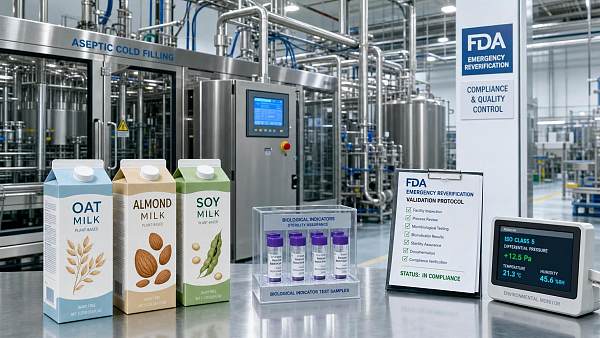
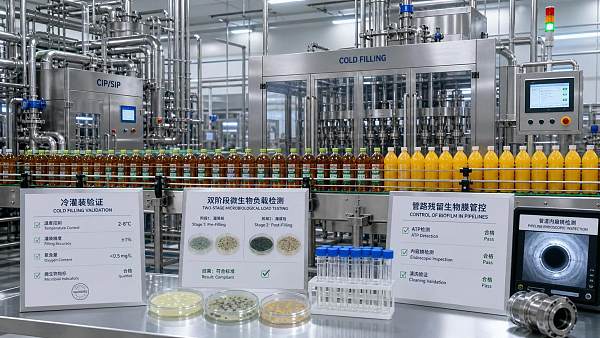
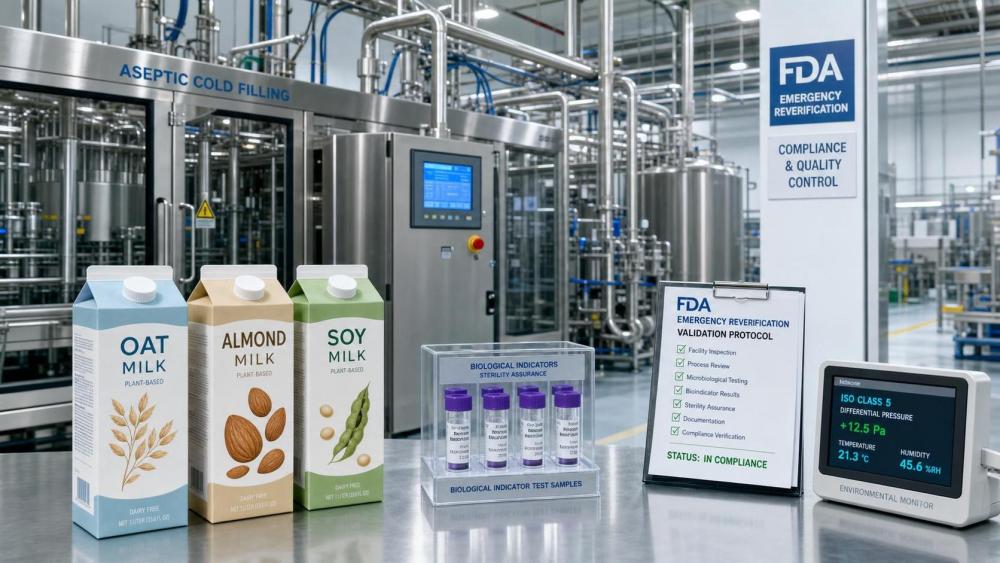
On July 11, 2026, the US FDA issued an emergency compliance alert focused on aseptic cold-filling lines used for shelf-stable oat, almond, and soy milks. The notice requires affected lines to revalidate sterilization cycles with ISO 11140-4 biological indicators by August 31, following recent Listeria monocytogenes incidents in post-fill contamination zones. For plant-based beverage manufacturers, filling system exporters, and foreign operators working through US co-packs, this is not just a technical update; it directly touches compliance timing, validation records, and delivery continuity into the US market.
What the FDA Alert Specifically Requires
The confirmed facts are narrow but operationally significant. The FDA issued the alert on July 11, 2026. It applies to aseptic cold-filling lines producing shelf-stable oat, almond, and soy milks. The agency requires those lines to revalidate sterilization cycles using ISO 11140-4 biological indicators, and it set an August 31 deadline. The FDA cited recent Listeria monocytogenes incidents in post-fill contamination zones as the reason for the emergency compliance action. The scope also extends to foreign manufacturers that export filling systems or operate US co-packing arrangements.
Where the Pressure Will Be Felt First
Plant milk manufacturers face immediate validation and documentation work
From an industry perspective, processors making shelf-stable oat, almond, and soy milks are the most directly exposed because the alert is tied to the filling line itself. The main impact is likely to fall on sterilization cycle review, validation scheduling, line readiness, and the completeness of compliance documentation. What deserves closer attention is whether existing internal records and supporting evidence are sufficient to demonstrate that revalidation has been completed within the FDA's timeframe.
Co-pack operations may see tighter operational coordination
For businesses producing under US co-packing models, the issue is likely to extend beyond plant engineering. Coordination between brand owners and co-pack operators may become more time-sensitive, especially where production planning depends on shared aseptic cold-fill capacity. Analysis shows that the practical pressure point is not only technical compliance, but also whether manufacturing slots, customer commitments, and product release timing remain aligned while revalidation work is underway.
Filling system exporters may face more scrutiny from buyers
The alert also applies to foreign manufacturers exporting filling systems. Observably, this can increase pressure on equipment suppliers to support customers with validation-related documentation, technical clarification, and evidence tied to sterilization performance. The business impact may show up in buyer due diligence, acceptance procedures, and requests for more explicit compliance support tied to US-bound production.
Supply chain and commercial teams will need to watch timing risk
Even though the alert is directed at compliance and validation, commercial and supply chain teams may also be affected. The reason is straightforward: any delay in revalidation, document preparation, or coordination with co-pack partners could influence shipment timing and fulfillment planning for shelf-stable plant milk products serving the US market.
What Companies Should Track Now
Separate the confirmed requirement from possible next steps
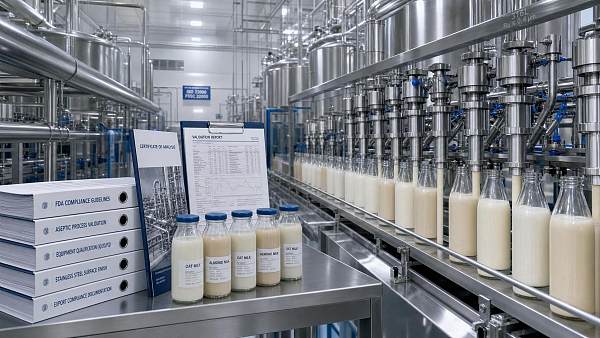
The confirmed requirement is revalidation of sterilization cycles using ISO 11140-4 biological indicators by August 31 for the specified product categories and line type. Companies should avoid treating broader assumptions as settled facts. What deserves closer attention is whether the FDA issues follow-on clarification about implementation scope, acceptable documentation, or enforcement expectations.
Review which facilities and contracts are actually in scope
Businesses involved in shelf-stable oat, almond, and soy milks should map where aseptic cold-filling lines are used and whether those operations connect to US sales, US co-packing, or exported filling systems. This is especially relevant for cross-border manufacturing structures, where technical responsibility, contract responsibility, and customer communication may sit with different entities.
Prepare validation records and customer-facing communication in parallel
Analysis shows that operational response should not be limited to plant-level technical work. Companies may need to prepare supporting records, internal status tracking, and external communication for customers or partners at the same time. For teams serving US buyers, questions around line status, compliance evidence, and delivery timing may arrive before all internal reviews are complete.
Watch the post-fill contamination issue as a process control signal
The FDA's stated reason centers on recent Listeria monocytogenes incidents in post-fill contamination zones. Even within the narrow facts provided, this points attention toward the interface between validated sterilization performance and contamination control after filling. It is more appropriate to understand this as a signal that process verification alone may not be the only area customers and regulators will examine closely.
Why This Looks Larger Than a Routine Technical Notice
Analysis shows this development should be read as more than a minor compliance reminder, but not yet as a fully defined long-term policy shift. The emergency framing, the named deadline, and the explicit focus on shelf-stable plant milks suggest a short-term operational requirement with immediate business consequences. At the same time, because the stated trigger involves post-fill contamination zones, the alert also carries a broader quality-control message for companies relying on aseptic cold-fill systems in US-linked supply chains. Further observation is still necessary before treating it as a durable regulatory reset across a wider product range.
How to Read the Signal at This Stage
At this stage, the most balanced interpretation is that the FDA has created an immediate compliance checkpoint for a defined group of plant-based beverages and related cross-border manufacturing arrangements. The near-term issue is execution: revalidation, records, and coordination before the August 31 deadline. The longer-term question remains open and should be monitored through any later clarification, enforcement language, or expansion of regulatory attention beyond the currently specified products and line configuration.
About the Basis for This Article
This article is based on the user-provided news title, event date, and event summary concerning the FDA emergency compliance alert issued on July 11, 2026. For developments of this kind, commonly relevant source types may include official agency notices, company statements, industry association updates, standards body documents, and reporting from authoritative trade media. A specific official source link was not provided in the input, so the underlying notice and any subsequent clarification still need to be continuously verified. Ongoing attention should focus on whether the FDA releases more detailed implementation guidance, documentation expectations, or scope clarification affecting exporters and US co-pack operations.
Related News
 FDA Orders Plant Milk Cold-Fill RevalidationFDA orders plant milk cold-fill revalidation by August 31. Learn how aseptic filling lines, ISO 11140-4 validation, and Listeria-related compliance could impact US market access.
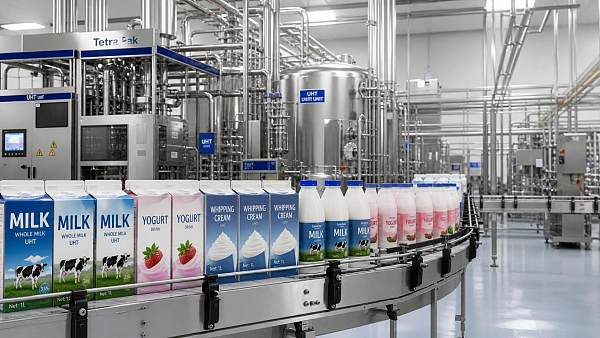
 Aseptic Processing for Dairy: When It Fits Milk, Yogurt Drinks, and Cream ProductsAseptic processing for dairy: discover when it best fits milk, yogurt drinks, and cream products to extend shelf life, protect quality, and improve distribution efficiency.
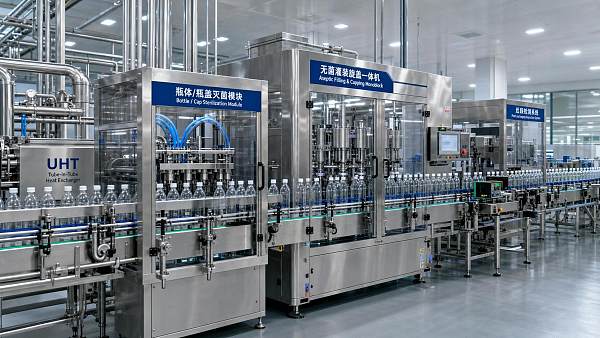
 Aseptic Bottle Filling Explained: Process Steps, Critical Controls, and Line DesignAseptic bottle filling explained: explore process steps, critical controls, and smart line design to improve sterility, shelf life, throughput, and project success.
 FDA Sets New Cold-Fill Rules for Plant-Based DrinksFDA sets new cold-fill rules for plant-based drinks, requiring ISO 13408-1:2026 validation and ≤0.5μm valve surface control. See what it means for compliance, equipment exports, and market access.
 Japan Broadens Aseptic Rules for RTD Tea LinesJapan broadens aseptic rules for RTD tea lines from October 2026. Learn how new validation demands for matcha and plant-based drinks could impact compliance, imports, and market entry.
 Aseptic Cold Filling Technology for Plant Milk: Process Steps, Limits, and Shelf-Life ImpactAseptic cold filling technology for plant milk explained: process steps, operating limits, and shelf-life impact to help manufacturers choose safer, more stable, high-performance production lines.
 FDA Sets New Aseptic Cold-Fill Validation RuleFDA Sets New Aseptic Cold-Fill Validation Rule takes effect Oct. 1, 2026. Learn how the new FDA aseptic cold-fill validation rule impacts exports, certification, batch records, and compliance.
 Aseptic Packaging Shelf Life: What Factors Shorten Product Stability After Filling?Aseptic packaging shelf life depends on more than a clean fill. Discover what shortens stability after filling—from oxygen ingress to seal stress—and how to protect product quality.
 FDA Tightens Cold-Fill Validation for Tea and JuiceFDA Tightens Cold-Fill Validation for Tea and Juice: learn how new dual-stage bioburden mapping and CIP/SIP residue limits may affect exports, certification, and buyer decisions.
 Aseptic Cold Filling Technology for Tea: Process Flow, Product Fit, and Key LimitsAseptic cold filling technology for tea explained: process flow, best-fit tea products, and key operational limits. Learn how brands protect flavor, shelf life, and line efficiency.
 FDA Finalizes Cold-Fill Validation Rules for Juice and TeaFDA finalizes cold-fill validation rules for juice and tea, adding stricter SIP audits, thermal mapping, and supplier dossier checks. See how the update affects compliance, sourcing, and new line projects.
 Aseptic Packaging Solutions in the USA: What to Compare Before Choosing a Filling LineAseptic packaging solutions USA buyers should compare sterility, product fit, uptime, and lifecycle cost—not just speed. Learn what to verify before choosing a filling line.