ProPak China: Southeast Asia Demand at E10
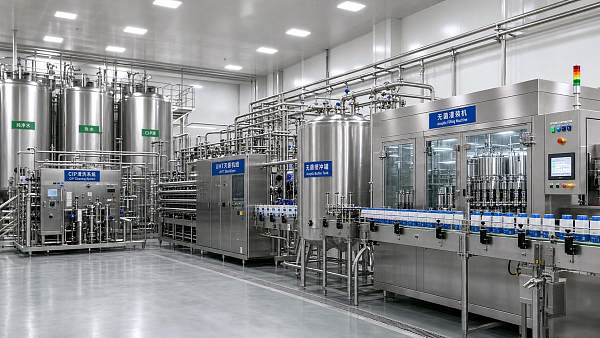
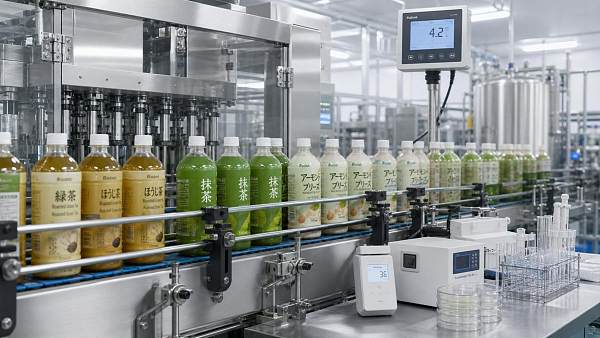
Image placement plan: one lead image should appear immediately after this planning note, showing the exhibition setting, food processing and packaging equipment, or buyer-supplier matching activity related to ProPak China 2026.
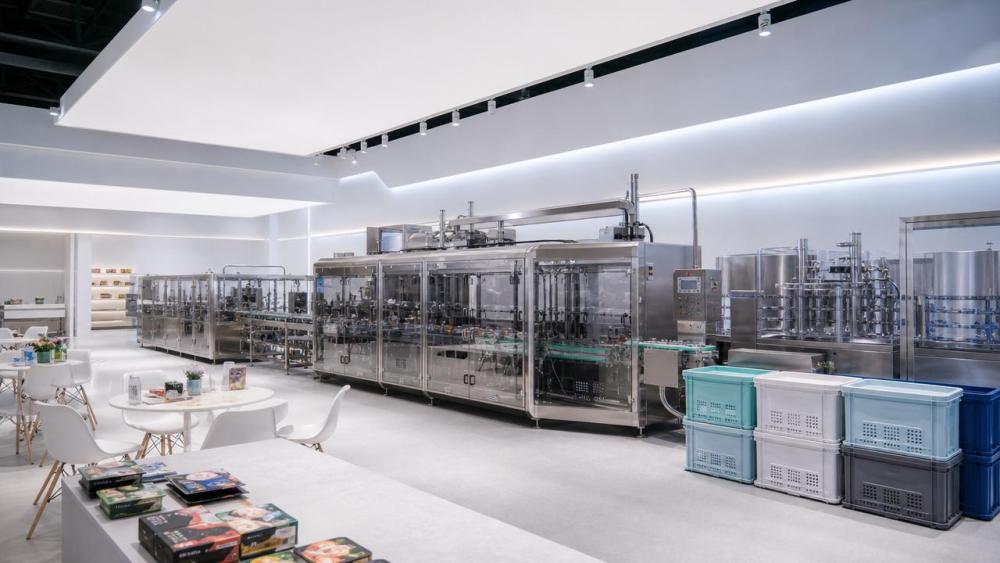
On June 15, 2026, ProPak China 2026 is scheduled to open as a three-day food processing and packaging machinery exhibition, with Global Food Machinery announcing real procurement demand from Southeast Asian buyers at Hall 8.1, Booth E10. The event may affect food processing equipment, intelligent packaging, cold-chain logistics, and central kitchen equipment suppliers because overseas procurement is increasingly connected with specification matching, certification readiness, trade documentation, and compliance-based supplier screening.
Confirmed Event Details and Scope
ProPak China 2026 will be held from June 15 to June 17, 2026. According to the provided event information, Global Food Machinery will release targeted procurement demand from the Southeast Asian market at Hall 8.1, Booth E10.
The demand coverage includes food processing equipment, intelligent packaging, cold-chain logistics, and central kitchen equipment. The stated purpose is to connect domestic equipment suppliers with overseas buyers and reduce information asymmetry in cross-border procurement communication.
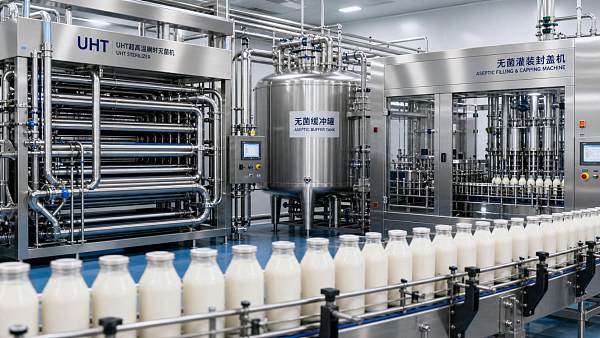
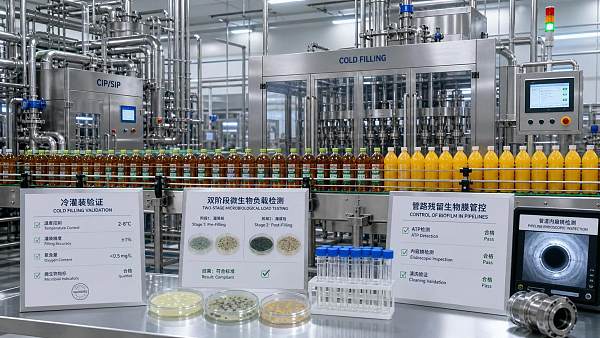
The provided summary specifically notes opportunities for suppliers of MAP packaging lines, Aseptic Cold Filling systems, and Blow-Fill-Cap Combiblocks to align more efficiently with buyer demand. No specific buyer names, order values, policy numbers, market-size data, or official source links were provided in the input.
Where Procurement Rules May Affect Market Participants
Direct trading companies
Direct trading companies may be affected because the announced demand is positioned as a bridge between domestic equipment suppliers and overseas buyers. From a business-process perspective, the impact is likely to appear in buyer qualification review, export documentation, quotation structure, payment-risk assessment, and contract specification confirmation.
They should pay attention to whether buyers require certificates, inspection records, installation references, spare-parts commitments, or after-sales response terms before confirming orders. Analysis shows that when real buyer requirements are disclosed in a focused exhibition setting, trading companies need to move from general product promotion toward rule-based transaction preparation.
Raw material purchasing companies
Raw material purchasing companies may not be the direct exhibitors, but they can still be affected through upstream equipment manufacturing needs. If suppliers of packaging lines, aseptic filling systems, and integrated forming-filling-capping equipment prepare for overseas orders, they may need more stable sourcing of compliant components, packaging-contact materials, electrical parts, and mechanical assemblies.
The influence may appear in material traceability, supplier qualification files, delivery scheduling, and batch consistency control. What deserves closer attention is whether downstream equipment makers request more complete quality documents and conformity evidence to support overseas procurement review.
Processing and manufacturing companies
Processing and manufacturing companies are directly connected to the event because the highlighted demand covers food processing, intelligent packaging, cold-chain logistics, and central kitchen equipment. They may be affected in product configuration, equipment safety documentation, technical specification alignment, and export-ready quality management.
For manufacturers of MAP packaging lines, Aseptic Cold Filling systems, and Blow-Fill-Cap Combiblocks, the business impact may concentrate on matching buyer operating conditions, clarifying capacity and hygiene requirements, preparing test reports, and confirming whether technical documents can support overseas evaluation.
Supply-chain service providers
Supply-chain service providers may be affected because cross-border equipment orders usually require logistics planning, packaging protection, customs documentation, installation coordination, and spare-parts flow management. Although the input does not provide specific trade rules, the event highlights a procurement scenario in which delivery capability and documentation discipline can influence buyer confidence.
They should monitor changes in delivery cycle expectations, inspection arrangements, warehouse coordination, and service records. From an industry perspective, service providers that can support traceability, export documentation, and after-sales coordination may become more relevant in buyer-supplier matching.
Practical Preparation Points for Equipment Suppliers
Check certification and compliance files before buyer meetings
Companies preparing to meet Southeast Asian buyers at Hall 8.1, Booth E10 should organize product certificates, conformity statements, safety documentation, inspection reports, and quality-management records in advance. The event information does not specify any mandatory certification regime, so suppliers should avoid assuming that one set of documents will satisfy all buyers.
It is more appropriate to understand the release of real procurement demand as a trigger for early compliance review. Suppliers should be ready to explain how their equipment meets buyer specifications and what supporting documents can be provided during technical evaluation.
Align technical specifications for MAP and aseptic systems
For MAP packaging lines, Aseptic Cold Filling systems, and Blow-Fill-Cap Combiblocks, technical specification alignment may become a decisive step. Suppliers should prepare clear descriptions of machine configuration, compatible packaging formats, operating conditions, sanitation design, automation interfaces, and maintenance requirements.
Analysis shows that overseas buyers often compare not only equipment functions but also documentation completeness, testing logic, and service feasibility. The provided event summary points to a demand-matching opportunity, but actual conversion into orders will still depend on specification fit and buyer review.
Prepare equipment, components, and delivery plans
Because the procurement scope covers processing, packaging, cold-chain logistics, and central kitchen equipment, suppliers should review whether demonstration materials, component availability, and production scheduling can support timely negotiation. Delivery-cycle assumptions should be checked before quotation, especially when equipment customization is required.
Companies should also verify whether key components, spare parts, and commissioning resources can be arranged without weakening quality control. This is particularly important when overseas buyers ask for predictable installation and after-sales support.
Strengthen supplier qualification and traceability management
Suppliers that rely on external parts, modules, or materials should review their own supplier qualification records. Buyer-facing documents may need to show how critical parts are controlled, how quality issues are traced, and how replacement components can be supplied after delivery.
From a trade-risk perspective, incomplete documentation can slow down technical review even when the equipment itself is suitable. Companies should treat supplier qualification management as part of export-readiness preparation rather than a back-office formality.
Industry View: Demand Disclosure as a Compliance Signal
Analysis shows that the planned release of Southeast Asian procurement demand at ProPak China 2026 is more than a buyer-matching activity. It can be read as a signal that cross-border machinery procurement is becoming more structured, with buyers likely to place greater weight on technical evidence, supplier reliability, quality traceability, and service commitments.
From an industry perspective, this does not mean that new regulations have been confirmed by the provided information. Rather, it suggests that procurement rules, certification expectations, and trade documentation may increasingly shape how food machinery suppliers compete for overseas demand.
Observably, companies that sell complex systems such as MAP packaging lines, Aseptic Cold Filling equipment, and Blow-Fill-Cap Combiblocks may need longer preparation cycles than standard product sellers. Technical tender coordination, compliance document preparation, testing evidence, and after-sales planning may become practical barriers to faster order conversion.
What deserves closer attention is whether exhibition-based demand release will push manufacturers to upgrade from product display to full procurement-response capability. This includes the ability to answer buyer questions on specifications, documentation, installation, parts supply, and quality responsibility without delay.
A Measured Conclusion for the Food Machinery Sector
The upcoming ProPak China 2026 activity at Hall 8.1, Booth E10 is significant because it focuses on real demand from Southeast Asian buyers and connects it with domestic suppliers in food processing, intelligent packaging, cold-chain logistics, and central kitchen equipment.
The industry significance should be viewed rationally. The event may help reduce information gaps and improve procurement efficiency, but it does not guarantee transactions. Equipment suppliers still need to demonstrate compliance readiness, technical fit, delivery capability, and service reliability before overseas orders can be secured.
Source Note and Items to Watch
This article is based on the user-provided news title, event date, and event summary. Specific official source links were not provided in the input and should be verified continuously.
For events of this type, companies should usually monitor exhibition organizer announcements, buyer requirement notices, certification guidance, trade documentation requirements, technical tender files, and industry feedback. Follow-up attention should focus on policy details, certification interpretation, procurement document changes, buyer qualification requirements, and actual market response after the exhibition opens.
Related News
 FDA Finalizes Cold-Fill Validation Rules for Plant BeveragesFDA finalizes cold-fill validation rules for plant beverages, raising new compliance demands for aseptic systems, CIP/SIP verification, and U.S. import readiness. Learn what suppliers and buyers should review now.
 Inline Aseptic Filling Line Layout: Tank, Sterilization, CIP, and Filling Integration ExplainedInline aseptic filling explained clearly: learn how tank layout, sterilization, CIP, and filler integration improve sterility, uptime, and line efficiency.
 Inline Aseptic Filling vs Hot Filling: Which Process Fits Acidic Beverages Better?Inline aseptic filling or hot filling for acidic beverages? Discover which process better protects flavor, supports packaging flexibility, and improves line efficiency.
 FDA Orders Plant Milk Cold-Fill RevalidationFDA orders plant milk cold-fill revalidation by August 31. Learn how aseptic filling lines, ISO 11140-4 validation, and Listeria-related compliance could impact US market access.
 Aseptic Processing for Dairy: When It Fits Milk, Yogurt Drinks, and Cream ProductsAseptic processing for dairy: discover when it best fits milk, yogurt drinks, and cream products to extend shelf life, protect quality, and improve distribution efficiency.
 Aseptic Bottle Filling Explained: Process Steps, Critical Controls, and Line DesignAseptic bottle filling explained: explore process steps, critical controls, and smart line design to improve sterility, shelf life, throughput, and project success.
 FDA Sets New Cold-Fill Rules for Plant-Based DrinksFDA sets new cold-fill rules for plant-based drinks, requiring ISO 13408-1:2026 validation and ≤0.5μm valve surface control. See what it means for compliance, equipment exports, and market access.
 Japan Broadens Aseptic Rules for RTD Tea LinesJapan broadens aseptic rules for RTD tea lines from October 2026. Learn how new validation demands for matcha and plant-based drinks could impact compliance, imports, and market entry.
 Aseptic Cold Filling Technology for Plant Milk: Process Steps, Limits, and Shelf-Life ImpactAseptic cold filling technology for plant milk explained: process steps, operating limits, and shelf-life impact to help manufacturers choose safer, more stable, high-performance production lines.
 FDA Sets New Aseptic Cold-Fill Validation RuleFDA Sets New Aseptic Cold-Fill Validation Rule takes effect Oct. 1, 2026. Learn how the new FDA aseptic cold-fill validation rule impacts exports, certification, batch records, and compliance.
 Aseptic Packaging Shelf Life: What Factors Shorten Product Stability After Filling?Aseptic packaging shelf life depends on more than a clean fill. Discover what shortens stability after filling—from oxygen ingress to seal stress—and how to protect product quality.
 FDA Tightens Cold-Fill Validation for Tea and JuiceFDA Tightens Cold-Fill Validation for Tea and Juice: learn how new dual-stage bioburden mapping and CIP/SIP residue limits may affect exports, certification, and buyer decisions.