Why food machinery engineering fails in line upgrades
Line upgrades in high-speed food plants often fail not because of equipment quality, but because food machinery engineering is treated as a simple replacement task instead of a full-system redesign. For project leaders under pressure to boost throughput, hygiene, and ROI at once, hidden conflicts in layout, CIP/SIP logic, utilities, and process timing can quickly turn upgrades into costly bottlenecks. Understanding where these failures begin is the first step to avoiding them.
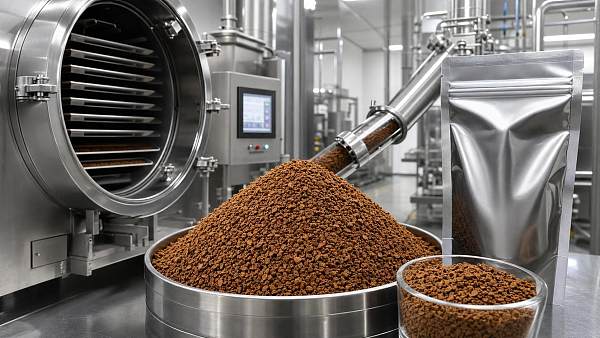
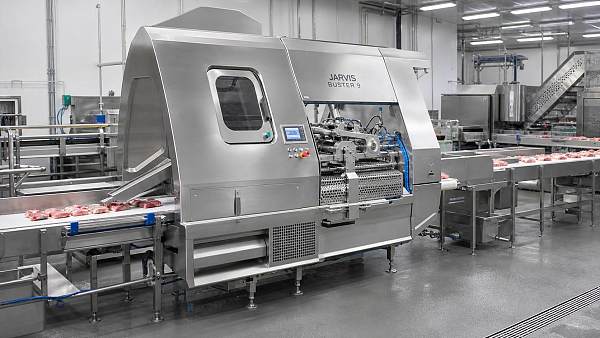
In meat processing, aseptic filling, industrial baking, freeze-drying, and MAP packaging, an upgrade rarely affects one machine alone. A filler running 15% faster can overload conveyors, destabilize upstream thermal balance, and expose weaknesses in compressed air, chilled water, or wastewater handling. For engineering managers, the challenge is not buying a better asset. It is aligning the entire line so sanitation, throughput, maintainability, and payback work together.
This is where food machinery engineering becomes decisive. It connects product behavior, hygienic design, line control logic, utility capacity, operator movement, and validation planning into one executable upgrade path. When that systems view is missing, even expensive line modernization can create more stoppages than output gains.
Why line upgrades fail when engineering starts too late
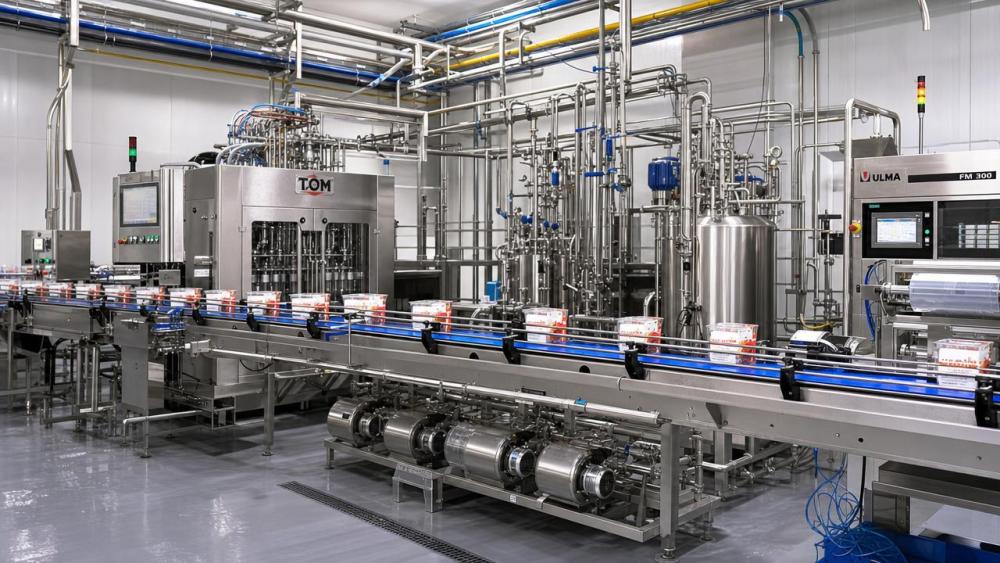
Many failures begin in the first 2 to 4 weeks of project definition. Teams approve equipment based on nominal capacity, footprint, and price, then try to solve hygienic zoning, cleaning routes, and controls integration later. In high-speed food plants, that sequence is backwards. Food machinery engineering should begin before final equipment release, not after purchase orders are locked.
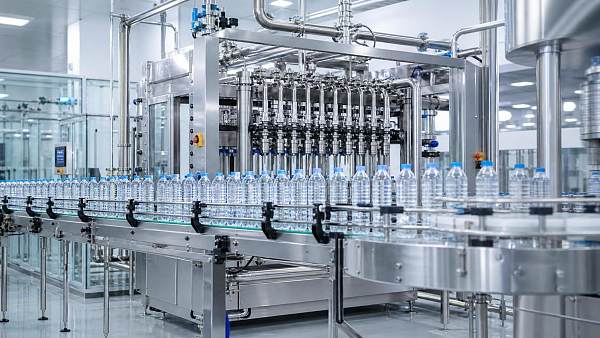
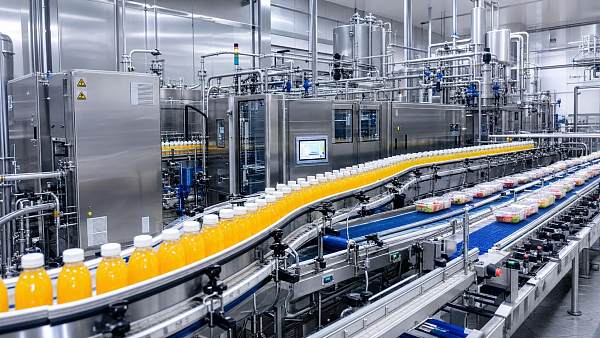
A typical example is a beverage filling line rated at 36,000 to 40,000 bottles per hour. On paper, a new combiblock can fit the target output. In practice, line efficiency may still stay below 72% if changeover timing, CIP sequencing, cap feeding stability, and downstream accumulation are not rebalanced. Engineering failure is often hidden inside interfaces, not the machine centerline speed.
The replacement mindset versus the system redesign mindset
Project leaders often inherit a simple brief: replace old equipment, avoid long shutdowns, and recover investment within 18 to 30 months. That sounds reasonable, but food machinery engineering must test whether the old process assumptions are still valid. A faster slicer, oven zone upgrade, or MAP sealer may require new product spacing logic, revised buffer lengths, or different sanitation segregation.
- Old line balance assumptions no longer match the new machine cycle.
- Utility loads exceed available steam, vacuum, or chilled water margins.
- Washdown access becomes worse after squeezing in larger frames or guarding.
- Control systems cannot exchange signals fast enough for stable throughput.
Where hidden conflicts usually appear
The first conflict is physical layout. A machine may fit within a 6-meter bay, but service clearance, sanitation access, and pallet flow may need 0.8 to 1.2 extra meters around it. The second is process timing. In baking or dehydration lines, a 3-minute mismatch between upstream feed rhythm and oven residence assumptions can ripple into waste, underbake, or conveyor gaps.
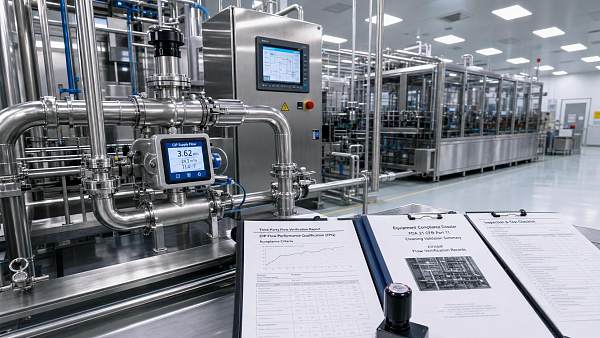
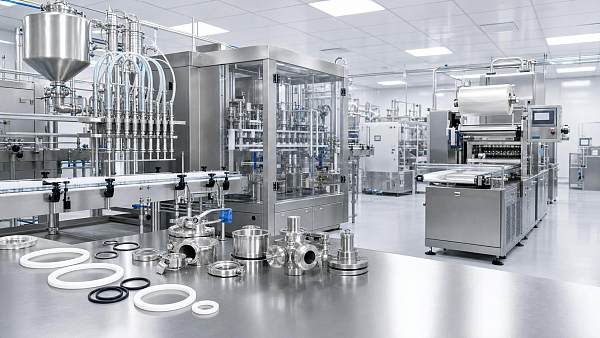
The third conflict is cleaning logic. CIP/SIP loops that worked for one filler or one tank set may fail after pipe length increases, dead legs multiply, or return velocities fall below hygienic expectations. The result is longer cleaning windows, higher chemical use, and delayed startups, which directly erode the expected ROI.
The table below shows how common upgrade assumptions break down in real operating conditions across major food sectors.
The pattern is clear: line upgrades fail when food machinery engineering is reduced to equipment matching. Throughput, hygiene, and labor efficiency are all interface-dependent. Project teams that map interfaces early usually avoid the most expensive rework during FAT, SAT, and startup.
The five engineering failure points that damage throughput and hygiene
Across high-speed food plants, five failure points appear repeatedly. They affect protein lines, aseptic beverage systems, tunnel oven installations, lyophilization setups, and automatic packaging cells alike. Each one can cut real output by 8% to 20% even when installed machine capacity looks sufficient.
1. Layout is optimized for footprint, not flow
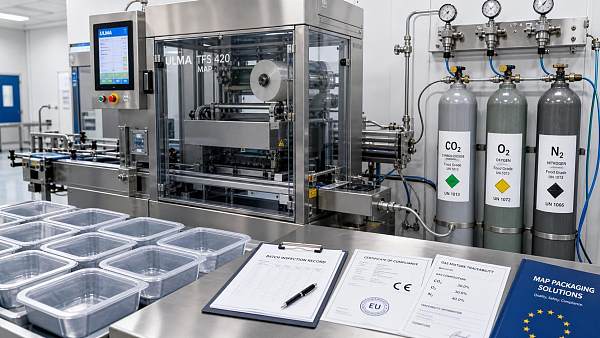
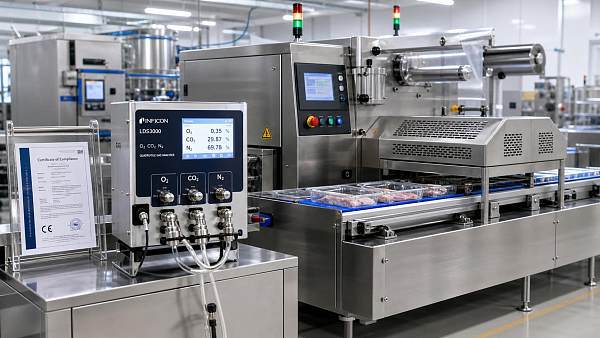
Food machinery engineering must account for product flow, waste flow, people flow, and cleaning flow. When layout design focuses only on squeezing assets into a room, forklift interference, blocked drains, and poor operator sightlines create daily friction. In meat and MAP packaging lines, a 10-second delay in tray feed or lidding recovery can accumulate into major downtime over a 12-hour shift.
Practical checkpoints
- Reserve service access on at least 3 sides for critical rotating or sealing components.
- Separate clean and dirty intervention routes where open product is exposed.
- Validate drain slope, splash radius, and hose reach before civil finalization.
2. CIP/SIP logic is copied instead of recalculated
In aseptic filling and liquid food systems, cleaning performance depends on more than tank chemistry. Pipe length, valve count, line elevation, return temperature, and flow velocity all matter. Extending a loop by 18 to 25 meters without recalculating circulation conditions can increase cleaning time by 15% or more. Worse, dead zones may survive validation while still carrying contamination risk in live operation.
For project leaders, this is one of the most underestimated parts of food machinery engineering. A line that appears mechanically complete may still be hygienically unstable if CIP/SIP recipes, valve matrices, and hold times were inherited from the previous line without adjustment.
3. Utilities are treated as background infrastructure
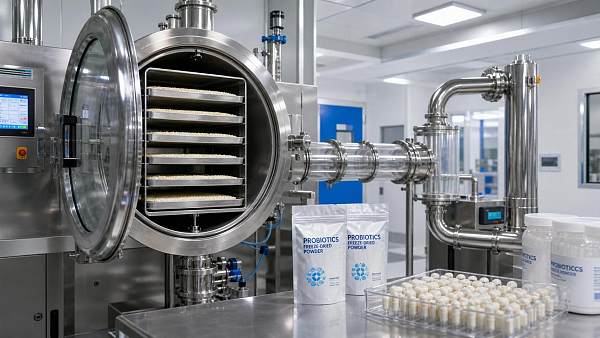
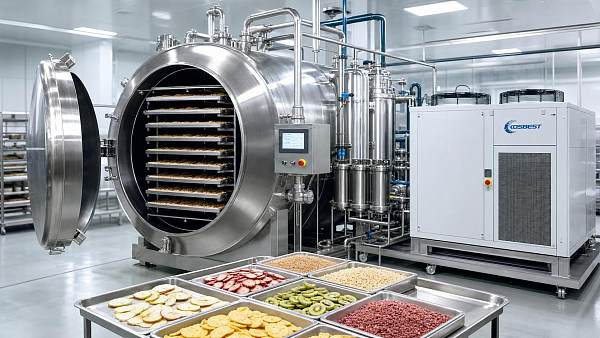
Compressed air, steam, chilled water, glycol, vacuum, and power quality often decide whether a line can hold design speed for more than 30 minutes. In freeze-drying, insufficient vacuum pull-down delays batch transitions. In baking, unstable burner or fan support creates uneven color and moisture. In blow-fill-cap systems, air pressure dips can trigger rejects across cap application and transfer sections.
A sound engineering review compares connected load, peak load, startup spikes, and redundancy. A utility margin of only 3% to 5% may look acceptable in a spreadsheet, but it is thin for a plant running aggressive sanitation cycles and seasonal volume peaks.
4. Controls integration is left to the end
One of the biggest reasons food machinery engineering fails in upgrades is late-stage controls integration. PLC handshakes, safety logic, historian mapping, recipe transfer, and alarm hierarchy are often handled after mechanical installation. That delay creates long commissioning windows, repeated stop-start testing, and operator confusion.
For a line with 6 to 10 major equipment modules, unclear signal responsibility can add 5 to 12 extra commissioning days. The cost is not only schedule drift. It is also weak startup performance, because operators inherit unstable logic that was never fully stress-tested under real product runs.
5. Product behavior is under-modeled
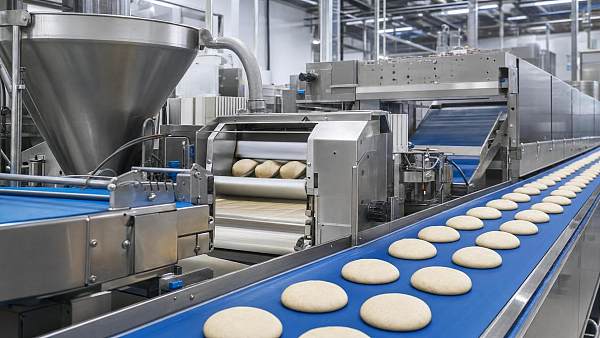
Food products are not neutral materials. Dough develops differently at new conveyor speeds. Sliced meat reacts differently to accumulation pressure and ambient exposure. Juice foams differently when fill temperature or valve timing shifts by a narrow range. Food machinery engineering must model these behaviors before speed promises are accepted.
Ignoring product behavior is how a line that runs perfectly dry at FAT underperforms with real SKU mix at startup. In many factories, 20% of production volume comes from difficult products or short runs, yet these are the very scenarios left out of upgrade validation.
How project leaders can evaluate an upgrade before it becomes a bottleneck
Project managers do not need to redesign every valve path themselves, but they do need a structured review framework. Strong food machinery engineering projects usually pass through 4 stages: line diagnosis, interface design, utility and controls verification, and startup validation. Skipping any one of these stages raises the risk of expensive retrofit work after installation.
A practical pre-approval checklist
Before approving an upgrade package, confirm whether the following items are documented with measurable criteria rather than general statements.
- Current and target throughput by SKU, not only by nameplate speed.
- Utility balance with peak demand, startup load, and sanitation load.
- CIP/SIP path review including added valves, lengths, and hold logic.
- Access, washdown, and maintenance zoning with intervention times.
- Controls matrix covering signals, permissives, alarms, and data capture.
- Acceptance plan for FAT, SAT, and first 7 to 14 days of production.
The table below can help compare a low-visibility upgrade approach with a system-based engineering approach that better protects ROI.
The difference is significant. The first approach buys equipment. The second secures performance. For high-speed food plants, only the second approach consistently protects shelf-life integrity, labor productivity, and planned payback.
Questions to raise with vendors and internal stakeholders
Effective project leaders ask questions that expose interface risk early. How many recipe variants were included in the line balance model? What utility reserve was assumed at full washdown and restart? Which sanitation assumptions depend on operator discipline rather than equipment design? How many hours of stable production are required before SAT sign-off?
These questions matter whether the project concerns a stainless slaughtering module, an aseptic cold-fill line, a 60-meter tunnel oven, a freeze-dryer chamber, or a MAP packaging cell. The core logic of food machinery engineering remains the same: design for real operation, not idealized equipment performance.
Building a better upgrade strategy for modern food plants
A successful line upgrade usually starts with a hard baseline. Measure current OEE, changeover time, cleaning time, yield loss, and maintenance frequency over at least 4 to 8 weeks. Without that baseline, improvement claims cannot be separated from startup noise. Strong engineering teams then build an upgrade path around the true bottleneck, which is not always the machine everyone wants to replace first.
For FBPS-aligned operations focused on meat processing, high-speed filling, industrial baking, dehydration, and packaging automation, the strategic advantage comes from linking thermodynamics, sanitation logic, and line economics. A line that is 12% faster but adds 25% more cleaning complexity may be a poor investment. A line that extends shelf life by 5 to 7 days through better hygienic control and MAP stability may create stronger financial value even without dramatic speed gains.
What a resilient upgrade plan includes
- A clear bottleneck map covering process, packaging, sanitation, and utilities.
- A line balance review across best-case, average, and difficult SKU conditions.
- A startup plan with operator training, spare parts readiness, and escalation rules.
- A post-launch review at 30, 60, and 90 days to confirm actual versus planned output.
When food machinery engineering is treated as a systems discipline, line upgrades stop being gamble-driven capital events and become controlled performance projects. That shift is especially important for engineering leaders responsible for compliance, uptime, cost reduction, and expansion timing in the same budget cycle.
If your plant is planning a retrofit, capacity increase, hygienic redesign, or packaging modernization, the safest next step is a structured engineering review before equipment decisions are finalized. Contact us to discuss your line constraints, get a tailored upgrade roadmap, and explore more solutions for high-speed food processing and packaging performance.
Related News
 How Freeze Drying Technology for Coffee Preserves Aroma and Improves Shelf LifeDiscover how freeze drying technology for coffee preserves aroma, improves shelf life, and supports premium quality with smart processing and packaging insights.
 FDA Sets CIP/SIP Flow Validation Rule for 2026FDA Sets CIP/SIP Flow Validation Rule for 2026: learn how the new FDA update impacts food equipment exports, EHEDG 42:2025 compliance, supplier audits, and U.S. market readiness.
 How to Choose Stainless Steel Deboning Equipment for Throughput, Hygiene, and YieldStainless steel deboning equipment buying guide: learn how to balance throughput, hygiene, and yield to cut downtime, protect food safety, and improve processing profits.
 EU Tightens MAP Gas Certification From October 2026EU Tightens MAP Gas Certification From October 2026: learn how EN 14185-2:2026, traceable batch data, and stability reports will impact MAP suppliers, importers, and market access.
 Vacuum Freeze Drying for Probiotics: Process Basics, Benefits, and Key LimitsVacuum freeze drying for probiotics explained: learn process basics, key benefits, major limits, and how to evaluate viability, cost, packaging, and scale-up before choosing this method.
 FDA Expands 3A Mutual Recognition for Food Machinery SealsFDA expands 3A mutual recognition for food machinery seals, reshaping U.S. compliance for sanitary equipment. Learn the impact on exporters, buyers, and certification workflows.
 How to Evaluate a Bottle Filling Equipment Manufacturer for Accuracy, Hygiene, and ThroughputBottle filling equipment manufacturer selection starts with proven accuracy, hygienic design, and sustainable throughput. Learn what to verify before you buy with this practical guide.
 EU Rule Sets MAP Sensor Requirement for ImportsEU Rule Sets MAP Sensor Requirement for Imports: learn how the new EU MAP equipment rule impacts CE compliance, validation data, delivery timelines, and supplier readiness before August 1, 2026.
 Commercial Food Processing Hygiene Checklist for Audits, Zoning and Allergen ControlCommercial food processing hygiene checklist for audits, zoning, and allergen control. Learn practical steps to improve compliance, reduce risk, and strengthen plant performance.
 High Efficiency Food Manufacturing: Where Throughput Gains Offset Equipment CostHigh efficiency food manufacturing turns equipment cost into margin through higher throughput, lower waste, better hygiene, and longer shelf life. See what drives faster ROI.
 Dough Processing Machinery for Pizza: What to Compare Before Choosing a LineDough processing machinery for pizza: compare dough handling, sanitation, throughput, flexibility, and operating cost before choosing a line that protects quality and boosts ROI.
 Energy Efficient Vacuum Drying: Key Parameters, Limits and Best-Fit MaterialsEnergy efficient vacuum drying explained: learn the key parameters, practical limits, and best-fit materials to improve product quality, sanitation, and operating efficiency.