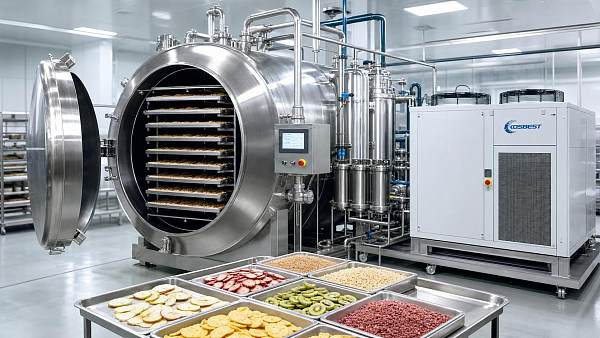
Kuwait Bans HCFC-Based Refrigeration Units, Affecting Freeze Dryer Exports
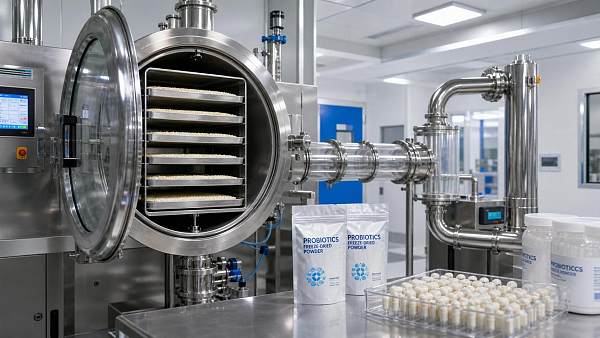
Kuwait implemented a nationwide ban on the import of air-conditioning and refrigeration equipment using hydrochlorofluorocarbon (HCFC) refrigerants—including R22 and R123—effective 1 May 2026. This regulatory shift directly impacts exporters of vacuum freeze dryers equipped with traditional HCFC-cooled condensers, as such units are now prohibited from clearing Kuwaiti customs.
Regulatory Enforcement Begins 1 May 2026
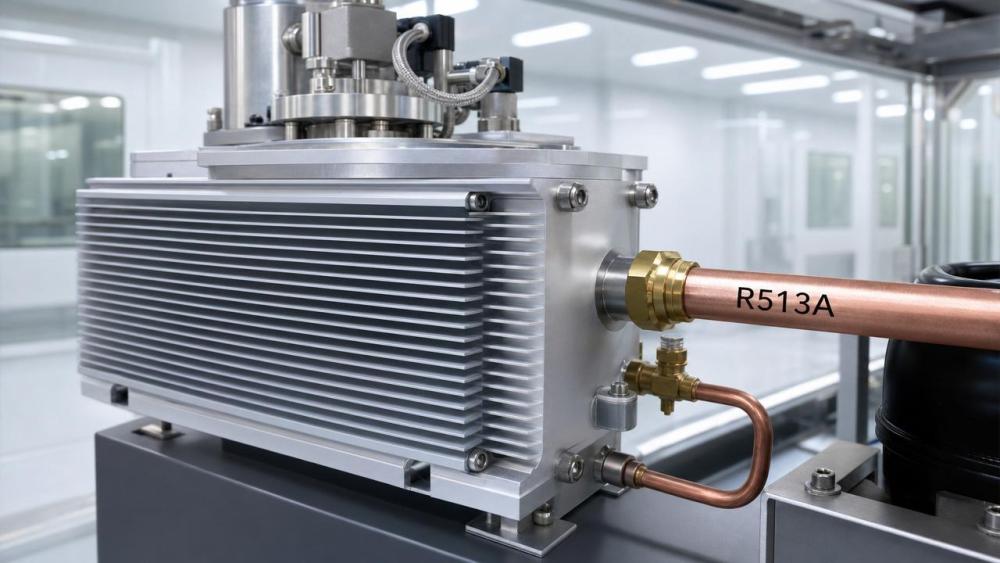
As of 1 May 2026, Kuwait prohibits the import of all refrigeration equipment relying on HCFC refrigerants, including R22 and R123. Vacuum freeze dryers fitted with HCFC-based cold traps fall under this restriction and cannot be imported into Kuwait. Exporters must transition to alternative refrigeration systems using environmentally compliant alternatives—specifically R513A or natural refrigerants—prior to shipment.
Supply Chain Impact Across Key Roles
Export Trading Companies
These firms face immediate customs clearance failures for existing inventory or pending shipments containing HCFC cold traps. Pre-shipment compliance verification, refrigerant system certification, and updated technical documentation are now mandatory before dispatch.
Raw Material and Component Suppliers
Suppliers of refrigerant circuits, compressors, and cold trap assemblies must align production with R513A-compatible or natural-refrigerant-ready designs. Material certifications (e.g., compatibility with R513A, pressure ratings, lubricant compatibility) become critical procurement criteria.
Equipment Manufacturers
Manufacturers must revise cold trap engineering specifications, revalidate thermal performance under new refrigerants, and update safety and operational manuals. Product redesign timelines may extend lead times, especially where compressor or heat exchanger requalification is required.
Logistics and Compliance Service Providers
Freight forwarders and regulatory consultants must now verify refrigerant declarations, confirm conformity with Kuwait’s updated import requirements, and support submission of refrigerant-specific test reports (e.g., ASHRAE Standard 34 classification, leak rate verification).
Key Actions for Exporters
Reassess Refrigerant System Certification
Confirm whether current cold trap configurations hold valid refrigerant-specific approvals recognized by Kuwaiti authorities—and whether R513A or natural refrigerant variants require new type approvals or local registration.
Update Technical Documentation and Specifications
Revise product datasheets, user manuals, and tender submissions to reflect refrigerant type, safety classifications, oil compatibility, and operating conditions aligned with R513A or natural refrigerants.
Validate Cold Trap Performance and Lifecycle
Conduct comparative testing to ensure equivalent condensing capacity, shelf-life stability, and residual moisture control under the new refrigerant—particularly critical for pharmaceutical-grade freeze dryers.
Adjust Procurement and Delivery Timelines
Account for extended lead times associated with sourcing R513A-compliant compressors, revised heat exchangers, and updated safety controls; coordinate closely with suppliers to avoid delivery bottlenecks.
Industry Perspective: Beyond Compliance to Systemic Shift
Analysis shows this regulation reflects a broader regional acceleration toward HCFC phaseout—not merely an import barrier, but a signal of tightening environmental compliance expectations across Gulf Cooperation Council (GCC) markets. From an industry perspective, the transition from HCFCs to R513A introduces not only refrigerant substitution but also changes in system pressure, oil miscibility, and component durability—requiring holistic re-engineering, not just part replacement. What deserves closer attention is the growing divergence in refrigerant readiness across global manufacturers: those with modular cold trap platforms or pre-validated natural-refrigerant options gain competitive advantage in time-to-market and certification agility.
Strategic Implication for Global Cold Trap Supply Chains
This measure underscores that refrigerant policy is no longer a peripheral specification—it is a core determinant of market access. For exporters targeting GCC nations, cold trap design must now embed regulatory foresight: modularity, refrigerant agnosticism, and rapid revalidation pathways are becoming essential capabilities—not optional upgrades. The shift signals a structural move from ‘compliance-as-checklist’ to ‘compliance-as-architecture’.
Source Verification Note
This article is based exclusively on the user-provided information: title, event date (1 May 2026), and summary description. Specific official source links were not provided in the input and should be verified continuously. Stakeholders are advised to monitor updates from the Kuwait Ministry of Commerce and Industry, GCC Standardization Organization (GSO), and international refrigerant compliance frameworks—including the Montreal Protocol’s HCFC phaseout schedule and ASHRAE Standard 34 revisions. Ongoing observation is recommended for detailed implementation guidelines, enforcement thresholds, and potential transitional allowances.
Related News
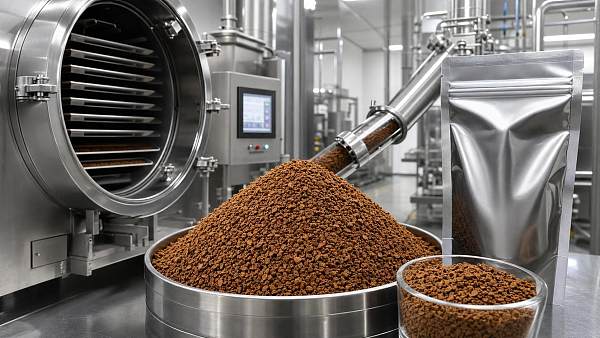
 How Freeze Drying Technology for Coffee Preserves Aroma and Improves Shelf LifeDiscover how freeze drying technology for coffee preserves aroma, improves shelf life, and supports premium quality with smart processing and packaging insights.
 FDA Sets CIP/SIP Flow Validation Rule for 2026FDA Sets CIP/SIP Flow Validation Rule for 2026: learn how the new FDA update impacts food equipment exports, EHEDG 42:2025 compliance, supplier audits, and U.S. market readiness.
 How to Choose Stainless Steel Deboning Equipment for Throughput, Hygiene, and YieldStainless steel deboning equipment buying guide: learn how to balance throughput, hygiene, and yield to cut downtime, protect food safety, and improve processing profits.
 EU Tightens MAP Gas Certification From October 2026EU Tightens MAP Gas Certification From October 2026: learn how EN 14185-2:2026, traceable batch data, and stability reports will impact MAP suppliers, importers, and market access.
 Vacuum Freeze Drying for Probiotics: Process Basics, Benefits, and Key LimitsVacuum freeze drying for probiotics explained: learn process basics, key benefits, major limits, and how to evaluate viability, cost, packaging, and scale-up before choosing this method.
 FDA Expands 3A Mutual Recognition for Food Machinery SealsFDA expands 3A mutual recognition for food machinery seals, reshaping U.S. compliance for sanitary equipment. Learn the impact on exporters, buyers, and certification workflows.
 How to Evaluate a Bottle Filling Equipment Manufacturer for Accuracy, Hygiene, and ThroughputBottle filling equipment manufacturer selection starts with proven accuracy, hygienic design, and sustainable throughput. Learn what to verify before you buy with this practical guide.
 EU Rule Sets MAP Sensor Requirement for ImportsEU Rule Sets MAP Sensor Requirement for Imports: learn how the new EU MAP equipment rule impacts CE compliance, validation data, delivery timelines, and supplier readiness before August 1, 2026.
 Commercial Food Processing Hygiene Checklist for Audits, Zoning and Allergen ControlCommercial food processing hygiene checklist for audits, zoning, and allergen control. Learn practical steps to improve compliance, reduce risk, and strengthen plant performance.
 High Efficiency Food Manufacturing: Where Throughput Gains Offset Equipment CostHigh efficiency food manufacturing turns equipment cost into margin through higher throughput, lower waste, better hygiene, and longer shelf life. See what drives faster ROI.
 Dough Processing Machinery for Pizza: What to Compare Before Choosing a LineDough processing machinery for pizza: compare dough handling, sanitation, throughput, flexibility, and operating cost before choosing a line that protects quality and boosts ROI.
 Energy Efficient Vacuum Drying: Key Parameters, Limits and Best-Fit MaterialsEnergy efficient vacuum drying explained: learn the key parameters, practical limits, and best-fit materials to improve product quality, sanitation, and operating efficiency.