FDA Tightens 3A CIP/SIP Flow Requirement
On July 20, 2026, the U.S. FDA issued updated compliance guidance tied to 3A sanitary execution, raising the minimum in-pipe flow velocity for CIP and SIP systems and adding a new third-party verification requirement for newly imported food processing equipment from July 21. For equipment exporters, buyers, certification-related service providers, and project delivery teams, the change deserves attention because it affects not only technical compliance review, but also document readiness, certification sequencing, and delivery timing for regulated equipment entering the U.S. market.

What the updated notice changes
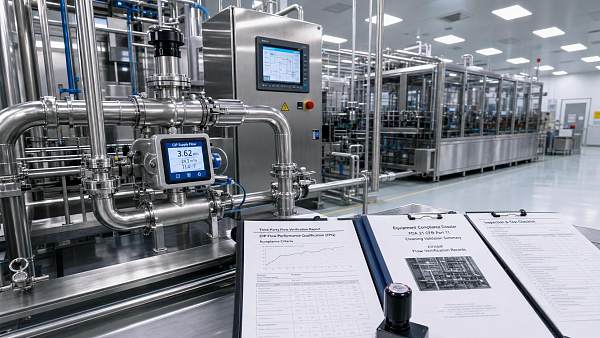
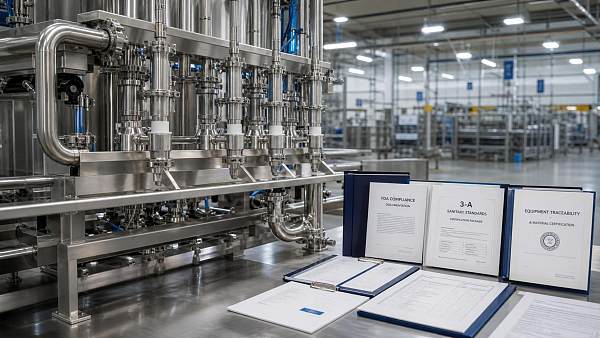
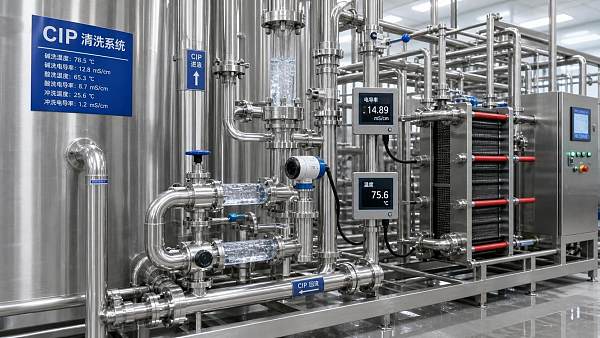
The confirmed facts are limited but clear. The FDA released the 3A Sanitary Standard Compliance Advisory Notice on July 20, 2026. According to the notice, the minimum flow velocity threshold inside CIP and SIP pipelines has been increased from 1.2 m/s to 1.5 m/s. In addition, all newly imported food processing equipment must provide a third-party EHEDG/3A fluid dynamics validation report starting July 21, 2026.
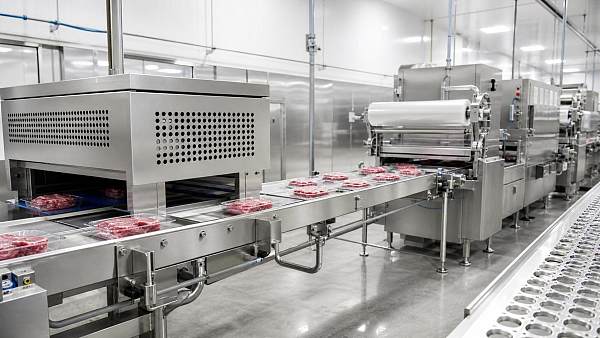
The equipment named in the provided information includes MAP packaging lines, aseptic filling systems, freeze-drying chambers, and slaughtering and cutting equipment. The provided summary also states that the adjustment directly affects the certification path and delivery cycle of Chinese exporters, with Delta robot integrated MAP lines and Aseptic Cold Filling systems facing the validation requirement as a prerequisite for compliance review.
Where the pressure is likely to appear first
Export projects facing U.S. market entry
From an industry perspective, exporters of covered food processing equipment may be affected first because the rule change is tied directly to import-facing compliance documents. The main impact is likely to appear in pre-shipment review, technical file preparation, and customer acceptance milestones. What deserves closer attention is whether existing project documentation already supports the higher 1.5 m/s threshold and whether third-party EHEDG/3A fluid validation has been arranged early enough to avoid delivery disruption.
Equipment buyers and procurement teams
Procurement functions may also feel the change quickly, especially where imported lines are under active quotation, tender review, or final specification alignment. The practical issue is not only whether a machine can be supplied, but whether the supplier can provide the required validation report from July 21 onward. For buyers, the compliance file, technical bid documents, and delivery schedule become more sensitive to document completeness than before.
Certification and testing service participants
For certification-related firms and testing service providers, the change points to a heavier role in the transaction flow. Analysis shows that the new report requirement can shift external validation from a supporting step to an entry requirement for newly imported equipment. That means report scope, review timing, and technical interpretation may become more central to project execution, even where the commercial agreement is already in place.
After-sales and quality traceability functions
After-sales teams and compliance support functions may also need closer coordination. Observably, when a rule change is tied to sanitary design and validation records, downstream requests for technical explanation, traceability support, and document retrieval can increase around installation, inspection, or customer audit stages. The immediate issue is less about field modification and more about whether the equipment file can demonstrate conformity under the updated threshold and report requirement.
What companies should review now
Check whether current designs align with the new velocity threshold
Analysis shows that companies involved in CIP/SIP-capable equipment should first review whether current pipeline design assumptions, validation materials, and bid-stage technical statements are still aligned with the 1.5 m/s minimum. This is especially relevant where equipment was originally configured against the prior 1.2 m/s benchmark referenced in the provided summary.
Bring third-party validation into the project sequence earlier
It is more appropriate to understand the EHEDG/3A fluid dynamics report requirement as a front-end compliance gate for newly imported equipment, not as a late-stage document that can be added after shipment planning. Companies should therefore pay attention to whether validation work, supporting calculations, and report issuance are being scheduled early enough in the project timeline.
Recheck tender files, quotations, and delivery commitments
Where active business involves MAP packaging lines, aseptic filling systems, freeze-drying chambers, slaughtering equipment, or cutting equipment, what deserves closer attention is whether quotation language, technical appendices, and promised delivery dates still match the new compliance path. If a project includes Delta robot integrated MAP lines or Aseptic Cold Filling systems, the provided summary suggests that the validation requirement is especially relevant at the qualification stage.
Watch for later wording, interpretation, and market practice
The input does not provide detailed enforcement language beyond the updated threshold and report requirement. For that reason, companies should treat later official wording, compliance interpretation, customer-side procurement language, and certification practice as items that still require close monitoring rather than assuming a fully settled execution pattern.
How this signal should be read at this stage
Analysis shows that this is better understood as an already effective compliance signal rather than a distant policy discussion, because the provided timeline places the document release on July 20, 2026 and the report requirement on newly imported equipment from July 21, 2026. At the same time, it is not yet possible from the provided information alone to draw broader conclusions about enforcement intensity, acceptance criteria in every project scenario, or how uniformly the requirement will be reflected across procurement documents and market practice.
Observably, the most immediate significance lies in the combination of a higher sanitary flow threshold and a mandatory third-party validation document. That combination can move compliance review further upstream in export execution. For the industry, the issue is not simply a higher technical number, but a tighter connection between design parameters, certification evidence, and import readiness.
A practical reading of the update
In practical terms, the July 20 update should be read as a rule change with direct transactional consequences for covered food processing equipment entering the U.S. market. It does not by itself confirm how every project will be handled in practice, but it clearly raises the compliance threshold for documentation and validation. The most balanced conclusion is that the notice should currently be treated as an effective execution signal, while the detailed application path still warrants continued observation through later compliance interpretation, procurement language, and industry feedback.
Basis of this article and what still needs verification
This article is generated solely from the user-provided news title, event date, and event summary. For events of this kind, commonly relevant source categories may include official notices, regulator publications, customs or trade authority information, industry association updates, standard organization documents, and reporting by authoritative trade media. No specific official source link was provided in the input, so the exact official link remains to be verified on an ongoing basis.
Further observation is still needed on detailed policy wording, certification interpretation, changes in tender documents, market feedback, and how affected companies implement the new requirement in actual export and delivery workflows.
Related News
 How Sterilize-in-Place Systems Improve Hygiene and Uptime in Beverage PlantsSterilize in place for beverage plants improves hygiene, cuts contamination risk, and boosts uptime with validated, automated sterile cycles. Learn how SIP supports faster changeovers.
 FDA Tightens 3A CIP/SIP Flow RequirementFDA Tightens 3A CIP/SIP Flow Requirement: learn how the new 1.5 m/s standard and mandatory third-party validation may impact food equipment compliance, delivery, and U.S. market entry.
 FDA Sets CIP/SIP Flow Validation Rule for 2026FDA Sets CIP/SIP Flow Validation Rule for 2026: learn how the new FDA update impacts food equipment exports, EHEDG 42:2025 compliance, supplier audits, and U.S. market readiness.
 FDA Expands 3A Mutual Recognition for Food Machinery SealsFDA expands 3A mutual recognition for food machinery seals, reshaping U.S. compliance for sanitary equipment. Learn the impact on exporters, buyers, and certification workflows.
 Commercial Food Processing Hygiene Checklist for Audits, Zoning and Allergen ControlCommercial food processing hygiene checklist for audits, zoning, and allergen control. Learn practical steps to improve compliance, reduce risk, and strengthen plant performance.
 Ningbo Port Rolls Out Export Compliance DashboardNingbo Port Rolls Out Export Compliance Dashboard, giving exporters and overseas buyers real-time visibility into certificates, pre-clearance records, and customs-linked shipment compliance.
 Meat Processing Sanitation Compliance: Key FDA, HACCP, and 3-A Requirements ExplainedMeat processing sanitation compliance explained: learn key FDA, HACCP, and 3-A requirements, spot audit risks, and improve cleanability, safety, and line performance.
 Food Safety Equipment Buying Guide: What Affects Cost, Compliance, and ROIFood safety equipment buying guide: learn what drives cost, compliance, and ROI. Compare sanitary design, certifications, utilities, and hidden operating costs before you invest.
 Commercial Food Processing Hygiene Checklist for HACCP, Cleaning, and Cross-Contamination ControlCommercial food processing hygiene checklist for HACCP, cleaning, and cross-contamination control. Learn practical steps to improve sanitation, audit readiness, shelf life, and line performance.
 Ningbo Launches Live Dashboard for FMCG Export ClearanceNingbo launches a live dashboard for FMCG export clearance, giving real-time visibility into certification, inspection, and release timing to speed compliant shipments and improve supply chain planning.
 How to Evaluate a Food Safety Equipment Manufacturer for FDA and 3-A ComplianceFood safety equipment manufacturer selection can make or break FDA and 3-A compliance. Learn what to verify in sanitary design, documentation, and process fit before you buy.
 Clean in Place Dairy Plants Explained: Process Steps, Validation Points, and Common FailuresClean in place dairy plants explained: learn the key CIP steps, critical validation points, and common failures that impact hygiene, uptime, and audit confidence.