Freeze-Dried Durian and Strawberry: Texture and Shelf-Life Notes
Why Freeze-Dried Fruit Keeps Gaining Attention
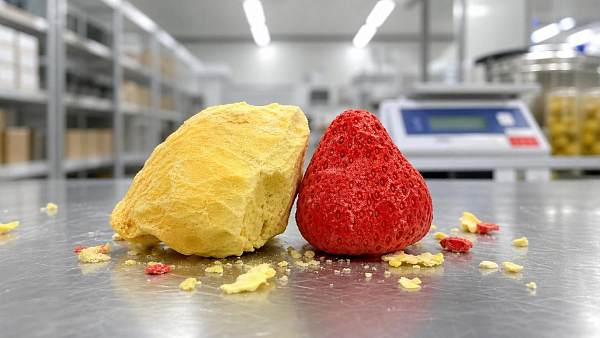
Freeze-dried fruit sits at the intersection of snack innovation, shelf-stable ingredients, lightweight packaging, and flavor storytelling. Durian and strawberry show two different sides of the category. Durian brings a strong regional identity and distinctive aroma, while strawberry offers familiar color, acidity, and broad application potential in snacks, cereals, bakery toppings, beverages, and dessert mixes.
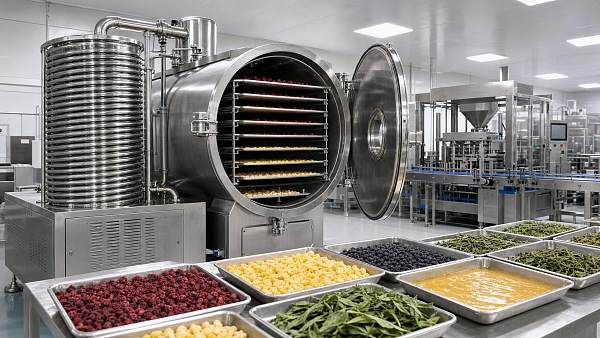
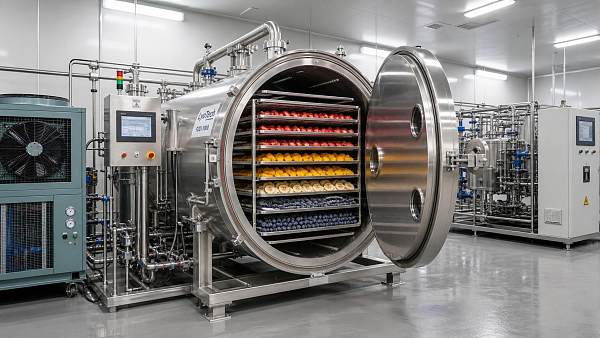
Buyers asking how are strawberries freeze dried are often trying to understand why the finished fruit can keep a recognizable shape and intense flavor while carrying much less water than fresh fruit. For commercial teams, the trend is not only about processing technology. It is about how texture, shelf life, packaging, and application fit create new product possibilities.
Texture as a Market Signal
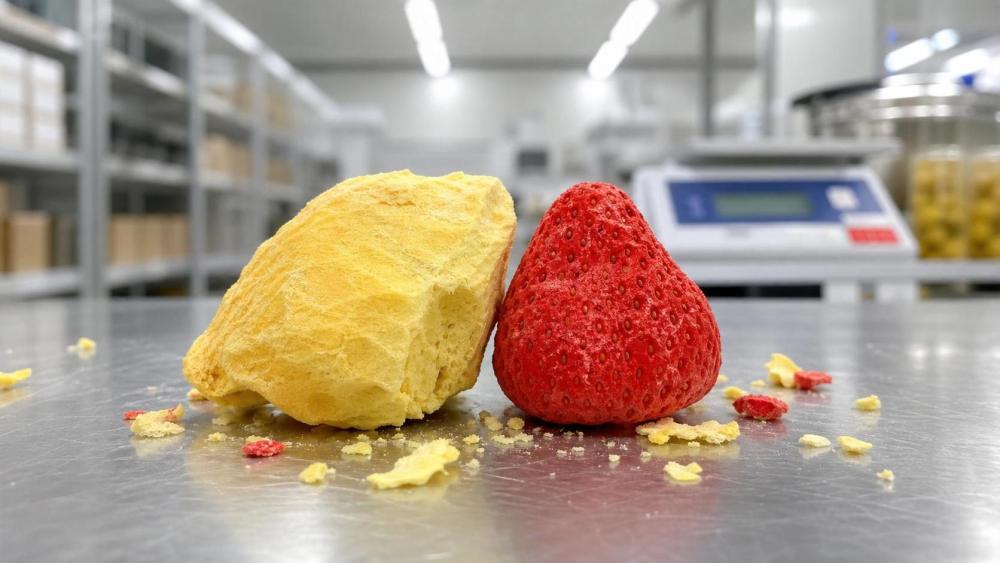
Texture is one reason freeze-dried fruit attracts product developers. The fruit can be crisp, porous, and easy to break into pieces or powders. In snacks, that creates a light bite. In bakery or dessert applications, it can add visible fruit identity without adding the same moisture load as fresh fruit. In beverage powders or mixes, it can support flavor and color cues.
Durian and strawberry behave differently because their natural structure, sugar-acid balance, aroma, and solids are different. Buyers should not assume one fruit's result predicts another. Trend-aware sourcing means testing texture in the final application instead of treating all dried fruit as one category.
Shelf-Life Expectations and Packaging
Shelf-life interest is one of the main reasons buyers compare freeze-dried fruit with fresh, air-dried, or dehydrated alternatives. Freeze-dried pieces still need protection from moisture, oxygen, breakage, and odor transfer. A crisp product can lose texture if the package does not protect it. Packaging should be evaluated together with the ingredient, not after the formula is finished.
When reviewing freeze dried fruit ingredients, buyers should ask about pack size, barrier needs, storage guidance, broken-piece tolerance, and powder formation during transport. These practical details shape whether the ingredient works in export and production.
Clean-Label and Real-Fruit Positioning
Many brands want fruit identity without heavy syrups, artificial-looking inclusions, or high water activity. Freeze-dried fruit can support that direction when it is used honestly and documented clearly. However, buyers should avoid unsupported claims. The ingredient may help with visual fruit presence, flavor intensity, and convenient storage, but every claim should match the actual product and label rules of the market.
Strawberry is often used for color and familiarity, while durian may be used for regional appeal or a distinctive premium story. Both can serve trend-driven products, but they need different communication. Durian may require aroma management and careful audience targeting. Strawberry may require color protection and breakage control.
Trend Table
The following table summarizes buyer-facing trends without using unsupported market statistics.
Application Directions
Freeze-dried strawberry can fit cereals, yogurt toppings, chocolate inclusions, snack mixes, bakery decorations, dessert powders, and beverage mixes. Freeze-dried durian can fit specialty snacks, regional gift foods, dessert pieces, flavored powders, and premium novelty products. In both cases, application tests should include texture after mixing, package handling, and storage.
Product developers should test full-use conditions. A fruit piece that is crisp in the supplier sample may soften in a high-moisture cereal blend. A powder that smells appealing in a small pouch may dominate a beverage mix. Trend work should combine creative concepting with practical stability review.
Buyer Trend Checklist
- Define whether the ingredient is used for texture, flavor, color, real-fruit identity, or shelf-stable convenience.
- Test fruit pieces or powders in the final product system.
- Confirm storage guidance and packaging protection.
- Review broken-piece tolerance and powder formation during transit.
- Avoid unsupported nutrition, clean-label, or shelf-life claims.
- Compare durian and strawberry separately because their aroma and texture behavior differ.
- Keep retained samples for repeat-order comparison.
Implementation Notes for This Article Type
For a market-trend article, the goal is to explain directional buyer interest without fabricating market numbers. Trend language should be careful: buyers are exploring convenience, shelf stability, recognizable ingredients, flexible packaging, and application-specific textures, but the article should not invent growth rates or customer counts unless verified data is provided.
Trend analysis becomes useful when it turns into sourcing questions. If demand is moving toward shelf-stable fruit inclusions, the buyer needs to ask about texture after mixing, moisture protection, broken-piece tolerance, and label support. If foodservice buyers want flavored sauces, they need to ask about dosing, storage, allergen details, and flavor stability.
Different regions and channels may value different aspects of the same ingredient. A snack brand may care about visual inclusions, a bakery may care about moisture migration, a beverage brand may care about powder dispersion, and an export distributor may care about package durability. A trend article should help readers translate broad interest into practical checks.
The safest trend recommendation is to test the ingredient in the final application. Trend appeal can start a project, but repeatable product quality keeps it alive. Buyers should confirm sensory behavior, storage behavior, packaging suitability, documentation, and repeat-order consistency before scaling any trend-driven ingredient.
The final trend review should turn broad interest into a small set of pilot questions. What product will use the ingredient, what sensory role must it play, what packaging stress will it face, and what proof does the buyer need before scaling? This keeps trend work practical instead of speculative.
Trend-driven ingredients also need a launch pathway. A brand may begin with a seasonal snack, a limited dessert topping, a trial beverage mix, or a regional gift product before moving into a larger line. That pathway helps the buyer learn how the ingredient behaves with real customers, real packages, and real warehouse handling. It also reduces the risk of scaling a concept before texture, aroma, and breakage are understood.
For freeze-dried fruit, sampling should include whole pieces, broken pieces, and powder generated during normal handling. The buyer should decide whether broken material is acceptable, whether it can be used in another product, or whether the package must be improved. This detail matters because trend products often depend on visual appeal. If the fruit pieces arrive as powder, the product story changes.
A trend article should therefore end with disciplined optimism. The category may be attractive, but the buyer still needs tests, documentation, packaging review, and repeat-order comparison. That balance makes the article useful for marketing teams and practical for procurement teams.
Channel differences should also be part of the trend review. A retail snack may need strong shelf appearance, a bakery ingredient may need predictable behavior after mixing, and a foodservice topping may need easy portion control. Looking at the channel first helps buyers choose the right fruit form instead of chasing a broad category idea.
Keep pilot notes so later scale-up decisions are based on observed product behavior. Share those notes with sourcing, QA, product development, and packaging teams before repeat orders begin.
FAQ
How are strawberries freeze dried?
They are typically frozen and dried under vacuum so ice leaves the fruit structure as vapor. Buyers should ask suppliers for product-specific process and storage guidance.
Why does texture matter?
Texture affects snack bite, mixing behavior, breakage, and customer perception of real fruit quality.
Can freeze-dried fruit replace fresh fruit?
It can support shelf-stable applications, but it behaves differently from fresh fruit. Test it in the final formula.
What should buyers check for durian?
Aroma intensity, packaging protection, audience fit, broken-piece tolerance, and application balance are important.
Can brands make shelf-life claims freely?
No. Shelf-life and nutrition claims should match supplier documentation, product testing, and market rules.
Editorial Review Note
This article is intended as buyer-facing guidance for foodservice, ingredient sourcing, and production teams. It avoids fabricated prices, unsupported performance claims, invented case numbers, and unverified certification statements.
Related News
 Freeze-Dried Durian and Strawberry: Texture and Shelf-Life NotesMarket trend guide for freeze-dried durian and strawberry ingredients, covering texture, shelf life, clean-label use, packaging, and buyer demand.
 How to Choose Freeze Drying Machinery for Ingredients by Moisture Load and Batch SizeFreeze drying machinery for ingredients: learn how moisture load and batch size shape capacity, cycle time, ROI, and product quality—so you can choose the right system with confidence.
 How to Choose Lyophilization Chambers for Fruit: Capacity, Temperature, and ThroughputLyophilization chambers for fruit: learn how to compare capacity, temperature stability, condenser performance, and throughput to choose efficient systems with better product quality.
![]() How to Evaluate a Continuous Freeze Dryers Supplier for Capacity, GMP, and Service SupportContinuous freeze dryers supplier selection goes beyond nameplate output. Learn how to compare real capacity, GMP-ready design, and service support to reduce risk and improve uptime.
How to Evaluate a Continuous Freeze Dryers Supplier for Capacity, GMP, and Service SupportContinuous freeze dryers supplier selection goes beyond nameplate output. Learn how to compare real capacity, GMP-ready design, and service support to reduce risk and improve uptime. Vacuum Pump Lead Times Hit 26 WeeksVacuum Pump Lead Times hit 26 weeks, disrupting freeze-dryer projects and delivery plans. See what the shortage means for procurement, contracts, suppliers, and global equipment timelines.
 Lyophilization Equipment for Coffee: Batch vs Continuous Systems and Key Process LimitsLyophilization equipment for coffee: compare batch vs continuous systems, process limits, ROI, and quality control to choose the right freeze-drying solution.
 Vacuum Pump Shortage Extends Lyophilizer Lead TimesVacuum pump shortage extends lyophilizer lead times to 32 weeks, raising costs and disrupting phased delivery. Learn the supply chain, contract, and procurement impacts now.
 Vacuum Pump Shortage Pushes Lyophilizer Lead Times to 32 WeeksVacuum Pump Shortage pushes lyophilizer lead times to 32 weeks as certified pump supply tightens. See how food and pharma-grade buyers can manage procurement risk now.
 Vacuum Pump Shortage Pushes Lyo Lead Times to 32 WeeksVacuum Pump Shortage pushes lyo lead times to 32 weeks, raising procurement and trade-control risks. Learn what buyers and manufacturers should track now to secure supply and avoid delays.
 Vacuum Pump Shortage Pushes Lyophilizer Lead Times to 32 WeeksVacuum Pump shortage is pushing lyophilizer lead times to 32 weeks as rare-earth export controls tighten supply. See what it means for sourcing, project timing, and equipment planning.
 Vacuum Pump Shortage Pushes Lyophilizer Lead Times to 32 WeeksVacuum Pump Shortage pushes lyophilizer lead times to 32 weeks. Learn how export controls, pump supply risks, and procurement pressure are reshaping freeze-dryer delivery planning.
 Vacuum Pump Shortage Extends Lyophilizer Lead TimesVacuum Pump Shortage extends lyophilizer lead times to 32 weeks, pushing buyers to review ISO 20517:2026 Class B compliance, substitution options, and procurement risks now.