Mexico Packaging Expo Highlights AI Shift
On June 5, 2026, the close of EXPO PACK México in Mexico City signaled more than a demand update for packaging equipment: it pointed to a practical shift in how food and beverage producers, e-commerce-linked packaging operations, equipment suppliers, and export-oriented manufacturers may need to read changing market requirements around automation, packaging performance, procurement standards, and delivery readiness. The event is worth close attention because it suggests that automation is no longer being treated as an optional upgrade in key packaging segments, but as a purchasing condition increasingly tied to efficiency, packaging integrity, and downstream distribution needs.

What the exhibition data clearly showed
From June 2 to 5, 2026, EXPO PACK México in Mexico City showed that the food and beverage sector was the largest local buyer of packaging equipment, accounting for 50% of total demand referenced in the event summary.
The same summary indicated that the growth of e-commerce formats is driving upgrades in secondary packaging automation. It also stated that 71.3% of Latin American companies increased equipment investment in 2025.
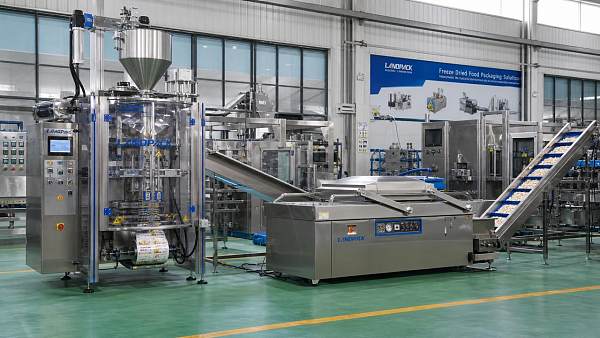
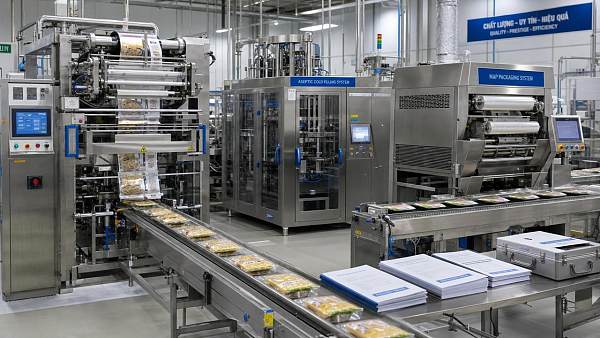
Among the technologies drawing particular attention were Delta robot sorting systems, high-speed VFFS and HFFS forming and filling equipment, and MAP outer packaging systems designed for compression resistance. The summary also noted that Chinese exhibitors obtained a large number of valid leads from Latin American distributors.
Why this matters across procurement and trade execution
Food and beverage buyers face a tighter equipment selection logic
From an industry perspective, food and beverage manufacturers may be among the first groups affected because they already represent the largest purchasing block described in the event summary. The main impact is likely to appear in equipment sourcing, line planning, and vendor screening, where buyers may place more weight on automation capability, packaging consistency, and system suitability for faster throughput.
What deserves closer attention is not a confirmed new regulation, but a stronger market signal that purchasing requirements may increasingly be written around functional performance. For buyers, this means technical documents, equipment specifications, acceptance criteria, and delivery commitments may become more important in supplier comparison and project execution.
Secondary packaging suppliers must respond to e-commerce-led requirements
Observably, suppliers serving secondary packaging applications may see changing expectations as e-commerce continues to shape packaging needs. The influence is likely to be felt in solution design, machine configuration, packaging resistance performance, and handoff quality across warehousing and distribution stages.
Companies involved in this part of the chain should pay attention to whether customers begin asking for more detailed technical validation, packaging performance documentation, or clearer alignment between automation systems and downstream handling conditions. The shift described in the event summary suggests that secondary packaging is being judged less as a basic end-of-line function and more as a performance-sensitive step linked to delivery reliability.
Export-oriented equipment vendors may face more detailed distributor screening
For exporters and manufacturers seeking channel access, the large number of valid leads obtained by Chinese exhibitors suggests active distributor interest, but it also implies a likely next phase of deeper qualification. The effect may emerge in technical bid alignment, after-sales capability review, spare parts planning, and the completeness of product documentation used in cross-border transactions.
Analysis shows that once distributor conversations move toward actual procurement, attention often shifts from display-stage interest to execution-stage readiness. In practical terms, suppliers may need to prepare clearer equipment parameters, testing records, delivery schedules, service commitments, and traceable quality materials to support negotiation and order conversion.
Service and support providers may see higher expectations after the sale
Businesses involved in installation, maintenance, spare parts support, and troubleshooting may also be affected if demand continues to concentrate around more automated systems such as Delta robots, VFFS, HFFS, and MAP-related packaging solutions. The business impact is likely to appear in service response, operator training, commissioning support, and problem-tracking procedures.
Even without a confirmed new compliance rule in the input, the market direction described here suggests that service quality may increasingly influence purchasing decisions, especially where automated lines are expected to run at higher speed or under tighter packaging performance targets.
Practical issues companies should track now
Check whether technical documentation matches buyer expectations
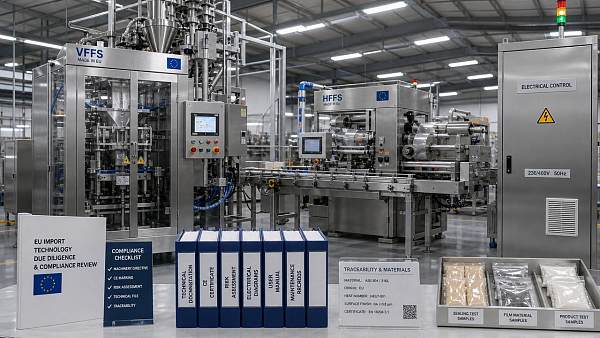
Analysis shows that suppliers targeting this demand cycle should review whether product manuals, equipment specifications, operating parameters, and acceptance materials are organized for distributor review and customer comparison. Where buyers are focusing on high-speed filling, robotic sorting, or compression-resistant outer packaging, incomplete technical files can become a commercial barrier even before formal contracting begins.
Watch for stricter wording in procurement and tender documents
It is more appropriate to understand the expo outcome as a market execution signal rather than a fully defined rule change. Even so, companies should closely monitor whether later procurement documents, distributor requirements, or customer specifications begin to use more explicit language on automation capability, packaging integrity, throughput stability, or line compatibility.
Prepare for longer review on delivery and after-sales commitments
Where equipment investment is rising, delivery terms and service arrangements may receive more scrutiny. Exporters, distributors, and equipment makers should therefore pay attention to installation planning, spare parts availability, technical support scope, and documentation consistency, especially if leads from the exhibition move into formal quotation or order review.
Keep compliance and qualification materials ready, but avoid assuming final rules
Observably, companies should keep certifications, test records, quality documents, and supplier qualification materials in order where relevant to the transaction. At the same time, the current input does not provide a confirmed new regulatory text, formal certification update, or published enforcement rule, so businesses should avoid treating market demand signals as already standardized legal requirements.
How to read the signal at this stage
Analysis shows that this development is best read as an execution-level signal from the market rather than proof of a newly issued binding rule. The combination of strong food and beverage purchasing demand, e-commerce-driven secondary packaging upgrades, and interest in automation-heavy systems indicates that commercial requirements may be moving faster toward measurable performance and operational reliability.
What deserves closer attention is whether this preference later appears in more formal channels such as procurement wording, qualification criteria, distributor screening standards, technical submissions, or after-sales expectations. Until such details become clearer, the event should be treated as a meaningful indicator of direction, not as a complete regulatory conclusion.
What this development currently suggests
At this stage, the most balanced reading is that the Mexico packaging exhibition reflects a stronger market requirement around automation, packaging performance, and execution readiness in food and beverage and related logistics-linked packaging applications. It does not by itself confirm a new law, standard, or enforcement rule, but it does suggest that suppliers and buyers may need to adapt more quickly in procurement, documentation, and delivery planning.
For the industry, the key takeaway is not simply that demand is rising, but that the terms of competition may be shifting toward systems that can better satisfy operational, packaging, and channel-side requirements. It is more appropriate to understand this as an actionable market signal that warrants continued observation.
Basis of this article and what still needs verification
This article is based on the user-provided news title, event date, and event summary. The analysis has been limited to those inputs and does not add unverified policy numbers, company names, agency statements, market size figures, or external source links.
For this type of development, commonly relevant source categories may include official announcements, regulator releases, customs or trade authority information, industry association materials, standard-setting documents, and reporting by authoritative industry media. However, no specific official source link was provided in the input, so the underlying official references still need ongoing verification.
Further observation is still needed on any later policy details, certification interpretations, procurement document changes, distributor qualification practices, industry feedback, and actual execution by companies after the exhibition period.
Related News
 Mexico Packaging Expo Highlights AI ShiftMexico Packaging Expo highlights an AI and automation shift reshaping food, beverage, and e-commerce packaging. Discover key buyer signals, equipment trends, and export opportunities.
 Vietnam Packaging Gap Widens in VFFS and Vacuum SealingVietnam packaging gap widens in VFFS and vacuum sealing as local supply stays under 40%. Learn how GMP, FDA, and 3A compliance may reshape sourcing, tenders, and food packaging investments.
 Commercial Food Packaging in the Middle East: Buyer Priorities and Market ShiftsCommercial food packaging Middle East buyers now prioritize shelf life, hygiene, automation, and cost control. Explore key market shifts shaping smarter packaging decisions.
 Vietnam Packaging Gap Widens in Food EquipmentVietnam packaging gap widens in food equipment as VFFS/HFFS and vacuum sealing shortages reshape sourcing. Learn how IoT diagnostics, energy targets, and service demands are changing procurement.
 RCEP Tariff Cut Lowers Vietnam Food Packaging Equipment Costs 12%RCEP tariff cut lowers Vietnam food packaging equipment costs 12%, making VFFS/HFFS, aseptic cold filling, and MAP systems from China more attractive. See what this means for buyers and importers.
 Indonesia Extends Yarn Safeguard, Pressuring VFFS/HFFS Support ExportsIndonesia extends its yarn safeguard, raising new cost and compliance questions for VFFS/HFFS support exports. Discover how the policy may reshape flexible packaging sourcing and turnkey delivery in Indonesia.
 EU Requires TDI for Imported VFFS/HFFS LinesEU requires TDI for imported VFFS/HFFS lines from June 10, 2026. Learn how the new rule impacts compliance timelines, certification costs, and EU market access.
 EU Rule From June 10 Tightens VFFS/HFFS Import ReviewEU Rule From June 10 Tightens VFFS/HFFS Import Review: learn how the new EU pre-clearance checks may affect CE access, customs timing, technical files, and buyer risk.
 EU Tightens Screening of VFFS/HFFS Equipment ImportsEU Tightens Screening of VFFS/HFFS Equipment Imports: learn how the new EU review rules affect machinery imports, tech cooperation, local assembly, and compliance planning.
![]() EU Enforces Dual Certification for VFFS/HFFS MachinesEU Enforces Dual Certification for VFFS/HFFS Machines: learn how the new EU rules impact customs clearance, market access, and compliant after-sales support.
EU Enforces Dual Certification for VFFS/HFFS MachinesEU Enforces Dual Certification for VFFS/HFFS Machines: learn how the new EU rules impact customs clearance, market access, and compliant after-sales support. EU Mandates Dual Certification for VFFS/HFFS MachinesVFFS/HFFS machines now require dual certification for EU market access. Learn what EN 1672-2:2026 and EN 60204-1:2025 mean for compliance, procurement, and delivery.
 Finland Adds €3 Fee on Low-Value Non-EU ParcelsFinland Adds €3 Fee on Low-Value Non-EU Parcels from July 2026. Learn how the new customs charge may raise costs for food packaging equipment parts and impact direct parcel shipments.