Vietnam MAP Rule Triggers Equipment Rush
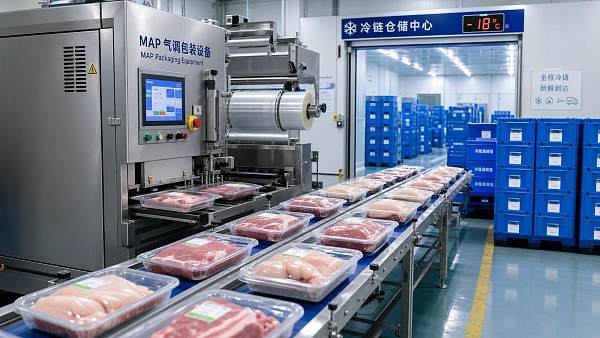
On June 18, 2026, Vietnam’s Ministry of Industry and Trade issued Notice No. 22/2026/TT-BCT, allowing MAP technology for fresh pork and poultry packaging and extending shelf life at 0–4°C to 14 days from the previous 7 days. The immediate response from local slaughterhouses and cold-chain distributors has turned this into a supply-chain story rather than only a regulatory update, because equipment sourcing, tender activity, export inquiries, and delivery timing are now moving at the same time.
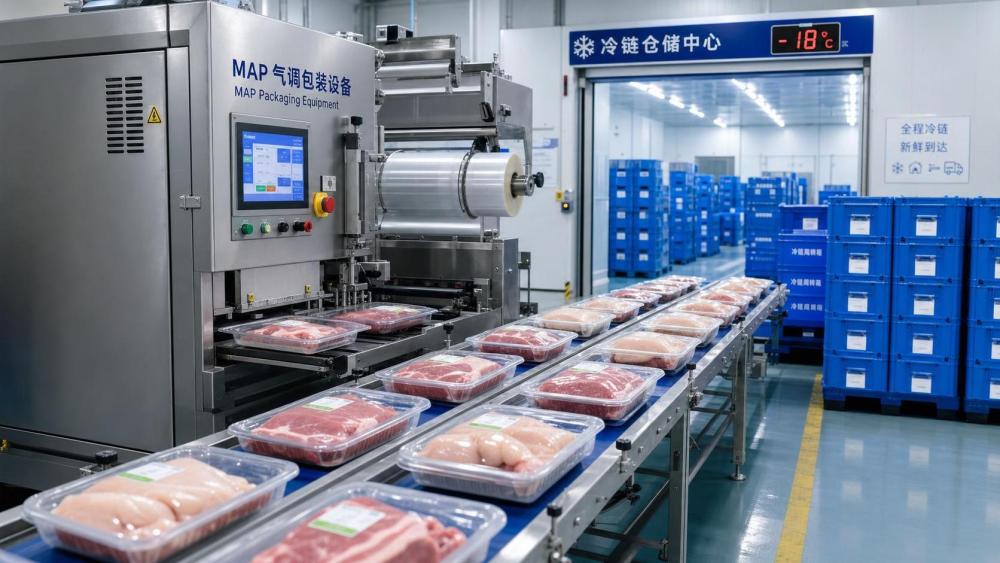
What the new notice changed
The confirmed change is that Vietnam approved the use of MAP for fresh pork and poultry packaging under the cited notice issued on June 18, 2026. Under the new rule, products packaged with this method may reach a 14-day shelf life at 0–4°C, compared with the previous 7-day period.
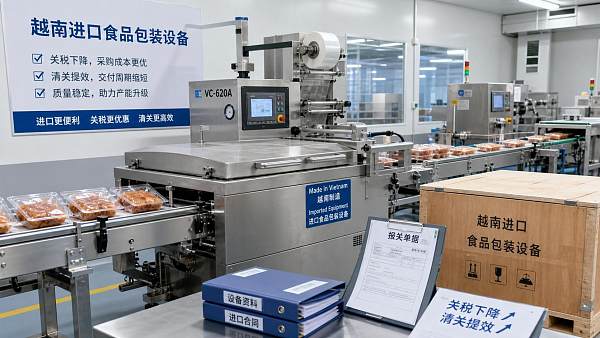
Following the policy release, local slaughterhouses and cold-chain distributors in Vietnam moved quickly to launch tenders for MAP production lines. In the same June week, inquiries for Chinese MAP equipment exports rose 217% month on month, while delivery lead times extended to 18–22 weeks.
Why different parts of the chain are paying attention
Fresh meat processors now face a faster equipment decision cycle
From an industry perspective, slaughterhouses and fresh meat processors are likely to feel the most immediate impact because the rule directly affects packaging options for pork and poultry. The main business pressure is not only whether to adopt MAP, but how quickly they can align packaging capacity with the new compliance and shelf-life framework.
Cold-chain distributors gain a new operating window
Cold-chain distributors are relevant because the longer approved shelf life changes how inventory can be planned and moved under refrigerated conditions. What deserves closer attention is whether procurement and distribution planning can keep pace with the timing of new line installation and commissioning.
Equipment exporters and line suppliers are under delivery pressure
The surge in export inquiries and the extension of lead times indicate that equipment suppliers, especially those serving Vietnam from China, may see pressure in quotation response, production scheduling, and delivery commitments. Observably, the impact is showing up first in order intake and lead-time management rather than in any confirmed long-term market outcome.
Practical issues companies should track now
Watch the wording of compliance and implementation closely
Analysis shows that businesses should focus on how the approved use of MAP is described in official language and how that wording is interpreted in actual packaging projects. The distinction between a policy allowance and a fully executed production setup matters for procurement timing and customer communication.
Prepare for longer purchasing and delivery cycles
With lead times already reported at 18–22 weeks, buyers and suppliers need to pay close attention to scheduling, tender timelines, and installation expectations. For companies discussing new projects, the near-term issue is not only price or specification, but whether delivery commitments remain realistic as demand concentrates.
Check supplier documents and execution readiness
For procurement teams and service providers, a practical focus should be on quotation validity, technical documents, delivery terms, and communication around project milestones. The rise in inquiries suggests that documentation and fulfillment readiness may become as important as equipment selection itself.
Separate policy signal from immediate market conversion
What deserves closer attention is that tender activity and inquiry growth show rapid market interest, but they do not automatically confirm completed installations or fully converted production capacity. Companies should therefore manage internal expectations and external communication carefully.
How this development is best understood
Observably, this is more than a routine regulatory update because the policy change has already triggered measurable procurement behavior. At the same time, analysis suggests it is still better understood as an early-stage market reaction rather than a settled long-term outcome. The strongest current signal lies in accelerated buying interest, longer equipment lead times, and the speed at which packaging compliance is becoming a commercial issue.
What the market signal means at this stage
At this stage, the development is best read as a short-term demand shock with possible longer-term implications, not as a final verdict on market structure. The rule has created an immediate operational trigger for fresh meat packaging and cold-chain participants, while also testing supplier responsiveness. A neutral reading is that the industry now has a clearer policy direction, but the scale and durability of resulting equipment demand still require continued observation.
Basis of this article and what still needs verification
This article is based on the user-provided news title, event date, and event summary. For this type of industry update, commonly relevant source categories include official notices, company announcements, industry association updates, authoritative media coverage, and standards-related documents.
A specific official source link was not provided in the input and still needs to be verified on an ongoing basis. Areas that merit further follow-up include any subsequent official clarification, the pace of tender conversion into actual orders, and whether current delivery lead times remain extended as demand develops.
Related News
 Vietnam MAP Rule Triggers Equipment RushVietnam MAP rule triggers equipment rush as fresh pork and poultry shelf life extends to 14 days. Discover tender trends, longer lead times, and sourcing opportunities now.
 EU Rule Sets EN 13791:2026 for MAP LinesEU Rule Sets EN 13791:2026 for MAP Lines: learn how the new EU compliance rule affects certification, CE marking, customs clearance, and export readiness before August 2026.
 Bochuan Machinery Gains CE and ISO9001, Eases MAP Line Clearance in the Middle EastBochuan Machinery gains CE and ISO9001 for its MAP line, helping ease Middle East clearance with SASO and ESMA pre-reviews. Discover how faster 72-hour release can boost buyer confidence.
 ProPak China 2026 Signals New MAP Trade DemandsProPak China 2026 reveals rising MAP trade demands as buyers seek integrated, compatible packaging lines. Discover what this signal means for sourcing, compliance, and cross-border execution.
 FDA Tightens 3A Filing for MAP EquipmentFDA tightens 3A filing for MAP equipment: from Oct 1, 2026, U.S.-bound applications need verified CIP/SIP flow velocity reports and EHEDG statements. Learn the compliance risks and export impacts.
 Shelf Life Extension Packaging: Which Methods Fit Meat, Dairy, and Ready Meals?Shelf life extension packaging for meat, dairy, and ready meals explained: compare MAP, vacuum, aseptic, and retort options to choose the best fit for safety, freshness, and line efficiency.
 FDA Tightens 3A Filing for MAP EquipmentFDA tightens 3A filing for MAP equipment with new CIP/SIP flow validation rules effective Oct 1, 2026. Learn the export compliance impact, document risks, and delivery planning steps now.
 FDA Updates 3A Guidance for MAP EquipmentFDA updates 3A guidance for MAP equipment: new CIP/SIP flow-rate validation reports become mandatory by Oct 1, 2026. See impacts on compliance, certification, and shipment planning.
 RCEP Tariff Cut Lowers Vietnam Packaging Equipment CostsRCEP tariff cut lowers Vietnam packaging equipment costs as HS 8422.30 drops to 0%. See how food processors, importers, and suppliers can reduce customs costs and speed MAP line investment.
 China’s Q1 MAP Export Price Rises 11.3% on Dual Certification CostsChina’s Q1 MAP export price rises 11.3% as dual 3A and FDA certification costs reshape quotes, compliance, and delivery. See what exporters and buyers should watch now.
 Modified Atmosphere Packaging for Seafood: Gas Mixes, Shelf Life, and Product FitModified atmosphere packaging for seafood explained: compare gas mixes, shelf life limits, and best product fit to improve freshness, safety, and distribution performance.
 China MAP Equipment Export Prices Rise 11.3% in Q1China MAP Equipment Export Prices rise 11.3% in Q1 as compliance and polishing costs increase. Explore what this means for buyers, importers, and suppliers now.