EU Sets MAP Gas Traceability Rules
On June 30, 2026, the European Commission published binding technical specifications for traceability in MAP gas mixtures, setting clearer documentation and equipment requirements for gas use in modified atmosphere packaging lines. The update is particularly relevant for exporters, MAP equipment suppliers, packaging-line operators, and procurement teams serving the EU market, because it links gas-source records and equipment functionality directly to market access and compliance preparation.
What the new specifications formally require
According to the information provided, the European Commission released Binding Technical Specifications for MAP gas mixture traceability on June 30, 2026.
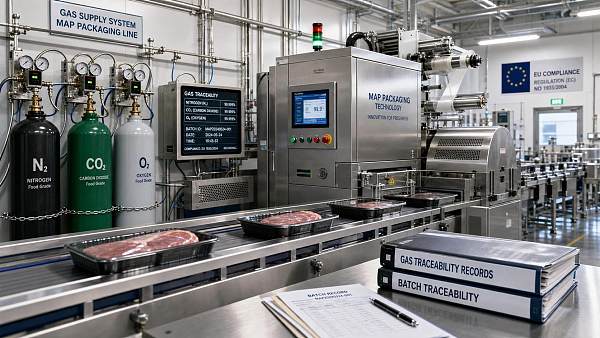
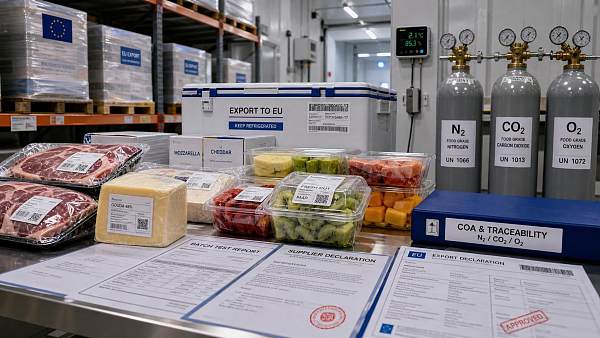
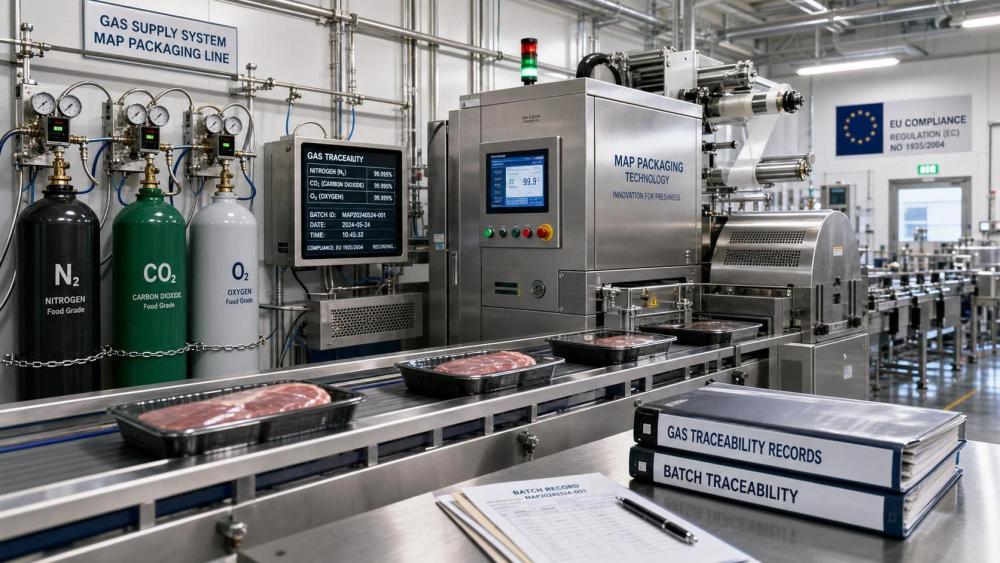
The specifications require exporters to maintain certified batch logs for the nitrogen, CO₂, and O₂ sources used in modified atmosphere packaging lines.
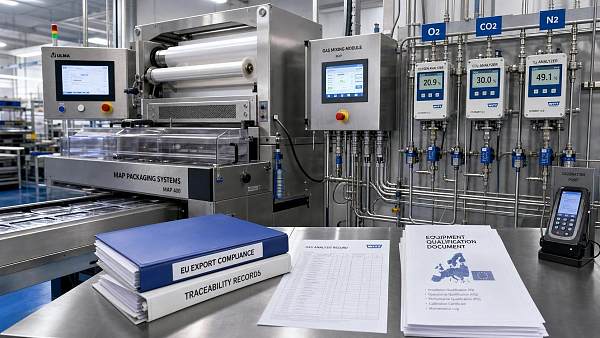
The same information states that, effective from October 2026, all MAP equipment sold into EU markets must include digital gas-source logging modules that comply with EN 1672-2:2026 Amendment 3.
Where the operational impact is likely to appear first
Export-facing packaging operations
From an industry perspective, exporters using MAP lines may be affected first because the requirement for certified batch logs applies directly to gas sources used in production. The practical pressure point is likely to be recordkeeping, document readiness, and the ability to connect gas inputs with packaged output in a way that can be demonstrated during trade or customer review.
Equipment makers and EU-bound sellers
Analysis shows that MAP equipment manufacturers and distributors selling into EU markets may face a more immediate product-side adjustment. The October 2026 requirement shifts traceability from a paperwork issue alone to a built-in equipment function, meaning the compliance question may extend to product configuration, technical specifications, and delivery planning for EU-bound machines.
Gas sourcing and purchasing functions
Procurement and sourcing teams may also be affected because the new framework focuses specifically on nitrogen, CO₂, and O₂ sources. What deserves closer attention is whether purchasing workflows, supplier documentation, and internal handover processes are sufficient to support certified batch logging without creating gaps between sourcing records and packaging-line use.
Service and integration providers around MAP lines
For service providers involved in installation, integration, or technical support, the requirement for digital gas-source logging modules may influence project scope and system compatibility discussions. The likely impact is less about the gas itself and more about whether logging functionality is properly incorporated into equipment delivered for the EU market.
What companies should watch now
Separate confirmed rules from pending implementation detail
What deserves closer attention is the distinction between the confirmed requirement and the still-evolving practical interpretation. The confirmed points are the obligation for certified batch logs and the October 2026 equipment requirement, while day-to-day implementation questions may still require continued review of official wording and subsequent clarifications.
Check documentation readiness across nitrogen, CO₂, and O₂ use
Companies involved in EU-bound business should review whether their current records can clearly document the source batches of nitrogen, CO₂, and O₂ used in MAP lines. The issue is not only whether records exist, but whether they are certified, consistent, and usable in a compliance context tied to exports.
Review equipment specifications before sales and delivery
For equipment suppliers, the near-term priority is likely to be whether products intended for EU markets include compliant digital gas-source logging modules by the October 2026 effective date. This may affect sales commitments, technical communication with buyers, and delivery planning for machines already in pipeline discussions.
Prepare for customer and supplier communication
Observably, this framework may also shift commercial conversations. Exporters may need clearer requests to gas suppliers and internal teams, while equipment vendors may need to explain module compliance more precisely to EU customers. Early alignment on documents, specifications, and timing may reduce disruption later in the sales or shipment process.
How this development is best interpreted
Analysis shows that this is more than a short-lived administrative update, because the published framework connects traceability requirements with both production records and equipment design for the EU market. At the same time, it is too early to treat every downstream business effect as settled fact. It is more appropriate to understand this as a clear regulatory and technical signal that already defines certain obligations, while some operational consequences will become clearer through implementation and market response.
Why the market should keep this in view
At this stage, the news is best understood as a concrete compliance development with broader implications for how MAP-related business is documented and equipped for EU sales. The confirmed requirements are specific enough to warrant immediate review by relevant companies, but the full commercial and operational impact still needs to be observed in practice rather than assumed in advance.
Basis of this report and points for further verification
This article is based on the user-provided news title, event date, and event summary concerning the European Commission's publication of binding technical specifications for MAP gas mixture traceability on June 30, 2026.
For this type of industry update, commonly relevant source categories may include official announcements, standardization documents, industry association notices, company disclosures, and reporting by authoritative trade or business media. A specific official source link was not provided in the input, so the precise source document and any follow-up wording should continue to be verified.
Further observation should focus on whether additional official clarifications are issued, how EN 1672-2:2026 Amendment 3 is referenced in commercial practice, and how exporters and equipment suppliers adapt documentation and product configurations ahead of the October 2026 effective point.
Related News
 EU Sets MAP Gas Traceability RulesEU Sets MAP Gas Traceability Rules: learn how the new EU MAP gas traceability requirements affect exporters, equipment suppliers, and compliance planning before October 2026.
 Modified Atmosphere Packaging Technology Explained: Gas Mixes, Shelf Life, and Product FitModified atmosphere packaging technology explained clearly: learn gas mixes, shelf-life impact, product fit, and key mistakes to avoid for smarter packaging decisions.
 EU Sets MAP Gas Traceability Rules for ExportersEU Sets MAP Gas Traceability Rules for Exporters: learn how Regulation (EU) 2026/1142 changes customs documents, batch logs, and purity proof before EU entry.
 How to Choose a Chamber Vacuum Sealer for Food Plants: Key Specs and Use CasesChamber vacuum sealer buying guide for food plants: compare key specs, hygiene design, cycle speed, and real use cases to choose the right machine for safer, faster packaging.
 EU Tightens MAP Gas Audit Rules for ExportersEU Tightens MAP Gas Audit Rules for Exporters: learn how the new EU traceability mandate for MAP packaging equipment impacts compliance, supplier records, calibration logs, and export readiness before Dec. 1, 2026.
 EU Tightens MAP Gas Traceability Rules for ExportersEU Tightens MAP Gas Traceability Rules for Exporters: learn how the new JRC audit update impacts MAP suppliers, batch-level records, and EU food export compliance before August 2026.
 EU Delays MAP Certification but Tightens Audit LogsEU Delays MAP Certification but Tightens Audit Logs: learn how the 2026 EU rule reshapes MAP equipment compliance, quarterly gas mix reporting, and export readiness before new audits begin.
 EU Updates MAP Compliance Rules for Non-EU SuppliersEU updates MAP compliance rules for non-EU suppliers: learn what changes on gas-mix validation, residual O2 traceability, CE files, and HACCP records mean before July 2026.
 Japan Makes Overall Migration Testing Central to Food-Contact ComplianceJapan overall migration testing is now central to food-contact compliance. Learn how the 2025 rule affects exporters, equipment validation, import registration, and Japan market readiness.
 Vietnam Delays Registration Rule for MAP and Freeze-Drying EquipmentVietnam delays registration rule for MAP and freeze-drying equipment, extending the compliance window to Dec 31, 2026. Learn what exporters, buyers, and compliance teams should do now.
 EU Sets 0.5% Oxygen Cap for MAP ExportsEU sets a 0.5% oxygen cap for MAP exports from July 1, 2026. Learn how the new EU rule affects MAP systems, freeze-drying equipment, testing proof, and CE certification readiness.
 Vietnam Delays Food Law Rule, Extending MAP and Freeze-Dry Export WindowVietnam delays Food Law rule to Dec. 1, 2026, giving MAP packaging equipment and freeze-dry equipment exporters more time to prepare certification, lab testing, and market entry plans.