Brazil’s Updated NR12 Machinery Safety Rule Takes Effect May 2026
Brazil’s revised NR12 machinery safety regulation—updated in April 2026 and entering into force on 1 May 2026—introduces new mandatory compliance requirements for importers of food processing equipment, significantly impacting international exporters and local supply chain actors.
Key Regulatory Requirements Now in Force
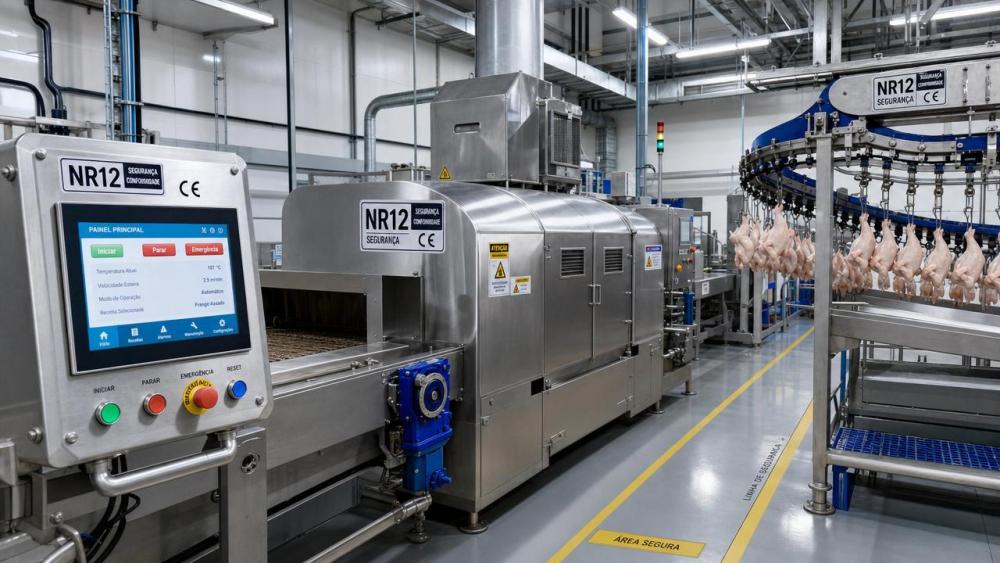
Effective 1 May 2026, Brazil’s updated NR12 standard mandates that all importers of food processing machinery—including slaughtering lines, bowl cutters, and industrial tunnel ovens—must hold a product liability insurance policy with a minimum coverage of BRL 1 million. In addition, a technical responsibility certificate (ART) must be signed by a CREA-registered engineer. All technical documentation submitted to Brazilian authorities must be in Portuguese and retained for five years.
Impact Across the Supply Chain
Direct Trading Companies
Importers acting as legal responsible parties in Brazil now bear direct financial and technical accountability. The requirement to secure high-value liability insurance and obtain an ART shifts risk management responsibilities upstream—potentially increasing landed costs and delaying customs clearance if documentation is incomplete or non-compliant.
Raw Material Procurement Firms
While not directly regulated under NR12, procurement entities sourcing components for NR12-covered equipment must verify supplier compliance readiness—especially where sub-assemblies affect final machine safety certification. Traceability of safety-critical parts becomes essential for downstream ART validation.
Manufacturing Enterprises
Overseas manufacturers supplying covered equipment must ensure their Brazilian import partners have secured insurance and ART support. Equipment design documentation, risk assessments, and safety validation reports must be fully translatable into Portuguese and structured to meet CREA’s technical review expectations.
Supply Chain Service Providers
Logistics, compliance consulting, and technical certification service providers face growing demand for integrated NR12 support—including insurance brokerage coordination, CREA engineer engagement, and Portuguese-language technical file preparation and archiving.
Critical Action Points for Exporters and Importers
Verify Insurance Coverage and Local Liability Capacity
Confirm that the Brazilian importer has secured a valid BRL 1 million+ product liability policy from an insurer authorized to operate in Brazil—and that the policy explicitly covers post-importation operational risks of the equipment.
Secure CREA-Registered Engineer Engagement Early
The ART signature is not a formality but a legally binding technical endorsement. Engaging a qualified CREA engineer early ensures alignment on safety architecture, testing scope, and documentation completeness—avoiding delays at the point of regulatory submission.
Prepare and Archive Portuguese Technical Files
All operating manuals, risk assessment reports (e.g., ISO 12100-based), electrical schematics, and CE/IEC conformity statements must be professionally translated into Portuguese and stored for five years. Digital archiving systems should support audit-ready retrieval.
Review Delivery Timelines and Contractual Risk Allocation
New NR12 obligations may extend equipment commissioning timelines. Contracts between foreign suppliers and Brazilian importers should explicitly allocate responsibilities for insurance procurement, ART issuance, and technical file localization—preventing disputes during customs or post-market inspection.
Industry Perspective: Rising Technical Barriers and Compliance Integration
Analysis shows that Brazil’s NR12 update reflects a broader regional trend: technical regulations are evolving from prescriptive safety checklists toward holistic lifecycle accountability. What deserves closer attention is how this shifts the competitive landscape—not just for equipment vendors, but for firms offering end-to-end compliance orchestration. Observably, manufacturers who embed Portuguese-language documentation workflows and maintain standing relationships with CREA engineers gain measurable time-to-market advantages. It is more appropriate to understand this as less a ‘certification hurdle’ and more a structural recalibration of technical due diligence in Latin American trade.
Strategic Implications for Global Equipment Suppliers
This regulation underscores that market access in Brazil now hinges on integrated technical, legal, and linguistic preparedness—not just product performance. For global suppliers, NR12 compliance is no longer a post-sale activity but a prerequisite embedded in quoting, contracting, and delivery planning. A measured response balances regulatory adherence with commercial agility: investing in localized compliance infrastructure while avoiding over-engineering for markets without equivalent requirements.
Source Information and Ongoing Monitoring
This article was generated based solely on the provided title, event date (2026-05-01), and summary. Specific official source links were not provided in the input and should be verified continuously. Stakeholders are advised to monitor updates from the Brazilian Ministry of Labour and Employment (MTE), CREA federal councils, and INMETRO’s guidance on NR12 implementation—particularly regarding acceptable insurance policy clauses, ART scope definitions, and enforcement protocols for legacy equipment already in operation.
Related News
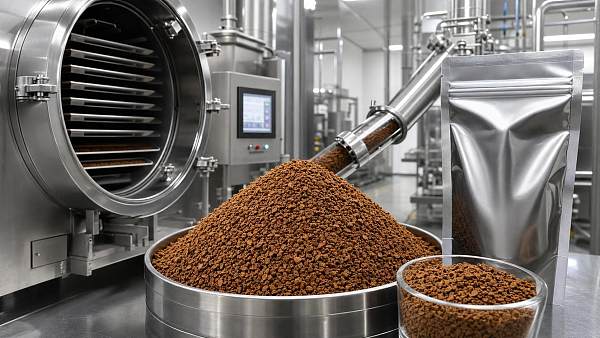
 How Freeze Drying Technology for Coffee Preserves Aroma and Improves Shelf LifeDiscover how freeze drying technology for coffee preserves aroma, improves shelf life, and supports premium quality with smart processing and packaging insights.
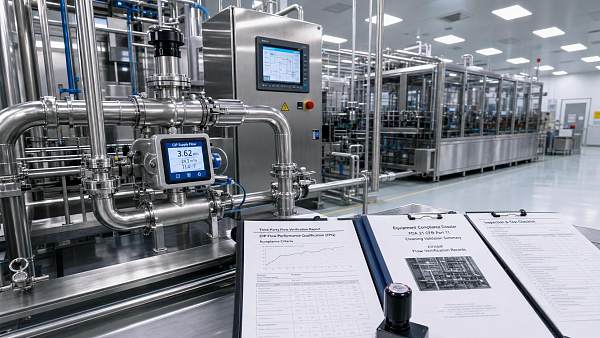
 FDA Sets CIP/SIP Flow Validation Rule for 2026FDA Sets CIP/SIP Flow Validation Rule for 2026: learn how the new FDA update impacts food equipment exports, EHEDG 42:2025 compliance, supplier audits, and U.S. market readiness.
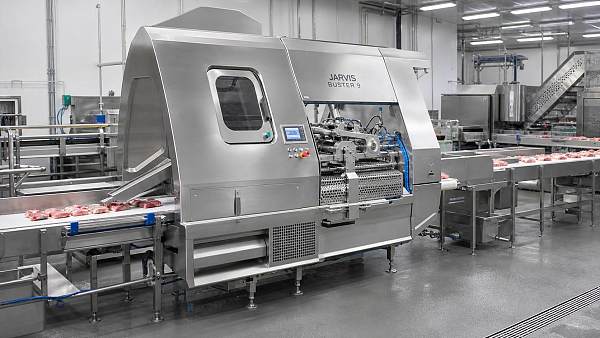
 How to Choose Stainless Steel Deboning Equipment for Throughput, Hygiene, and YieldStainless steel deboning equipment buying guide: learn how to balance throughput, hygiene, and yield to cut downtime, protect food safety, and improve processing profits.
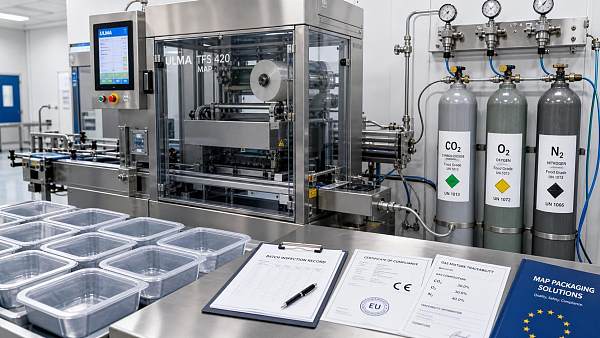
 EU Tightens MAP Gas Certification From October 2026EU Tightens MAP Gas Certification From October 2026: learn how EN 14185-2:2026, traceable batch data, and stability reports will impact MAP suppliers, importers, and market access.
 Vacuum Freeze Drying for Probiotics: Process Basics, Benefits, and Key LimitsVacuum freeze drying for probiotics explained: learn process basics, key benefits, major limits, and how to evaluate viability, cost, packaging, and scale-up before choosing this method.
 FDA Expands 3A Mutual Recognition for Food Machinery SealsFDA expands 3A mutual recognition for food machinery seals, reshaping U.S. compliance for sanitary equipment. Learn the impact on exporters, buyers, and certification workflows.
 How to Evaluate a Bottle Filling Equipment Manufacturer for Accuracy, Hygiene, and ThroughputBottle filling equipment manufacturer selection starts with proven accuracy, hygienic design, and sustainable throughput. Learn what to verify before you buy with this practical guide.
 EU Rule Sets MAP Sensor Requirement for ImportsEU Rule Sets MAP Sensor Requirement for Imports: learn how the new EU MAP equipment rule impacts CE compliance, validation data, delivery timelines, and supplier readiness before August 1, 2026.
 Commercial Food Processing Hygiene Checklist for Audits, Zoning and Allergen ControlCommercial food processing hygiene checklist for audits, zoning, and allergen control. Learn practical steps to improve compliance, reduce risk, and strengthen plant performance.
 High Efficiency Food Manufacturing: Where Throughput Gains Offset Equipment CostHigh efficiency food manufacturing turns equipment cost into margin through higher throughput, lower waste, better hygiene, and longer shelf life. See what drives faster ROI.
 Dough Processing Machinery for Pizza: What to Compare Before Choosing a LineDough processing machinery for pizza: compare dough handling, sanitation, throughput, flexibility, and operating cost before choosing a line that protects quality and boosts ROI.
 Energy Efficient Vacuum Drying: Key Parameters, Limits and Best-Fit MaterialsEnergy efficient vacuum drying explained: learn the key parameters, practical limits, and best-fit materials to improve product quality, sanitation, and operating efficiency.